Best Caribbean Islands for Solo Travel
Ten Caribbean islands I've actually been to, ranked for solo travel, from Bonaire's quiet to Little Corn's car-free adventure, each with its official advisory level.
Quick facts
- Top pick
- Bonaire
- Easiest first trip
- Aruba
- Culture + sea
- Curaçao
- No passport (US)
- Puerto Rico
- Most off-grid
- Corn Islands
- Best time
- Dec–April
- Islands ranked
- 10, all visited
Region: Caribbean · Best for: Solo travelers who want safety, a social scene, and trips that don't fight back
Every island on this list is one I've been to. Some I went to alone, some with company, and all of them work for a traveler on her own. They're in the order I'd put them, from the easiest places to exhale to the ones that ask a little more of you, and each one carries its US State Department advisory level so you can weigh my experience against the official picture.
If you're weighing a solo trip to the Caribbean, the question isn't really can you do it. It's which island gives you the best solo experience: enough people around to feel social when you want it, safe enough to wander at golden hour, easy enough to get around, and interesting enough that you're never stuck in your room scrolling.
Quick Answer
For calm, go to Bonaire. For a first Caribbean trip, Aruba. For culture and color, Curaçao. All three sit at the calm end of the advisory scale, are easy to drive, and reward a few days on your own. Further down the list, Cuba, the Corn Islands and San Andrés offer more adventure in exchange for more planning, and their advisory levels say so.
What Makes a Caribbean Island Right for Solo Travel
Before the list, the criteria, because "best" means very different things depending on whether you're there to decompress, meet people, or explore. I weighted five things:
- Solo social scene: day tours, surf schools, beach bars and boat trips where meeting people happens naturally.
- Safety walking alone after dark: can you walk back from dinner? How does the main strip feel at night?
- Ease of getting around: buses, reliable taxis, or a rental car you'll actually enjoy driving.
- Things to do that work for one person: snorkeling, catamaran and speedboat days, surf lessons, hikes you can join rather than organize.
- Value: solo travelers pay full room rate. Islands where food and activities aren't punishing go further.
For the safety question on its own, I've ranked the safest Caribbean islands for solo travelers separately. Safety is one input here, not the whole picture.
1. Bonaire, Best for Slowing Down
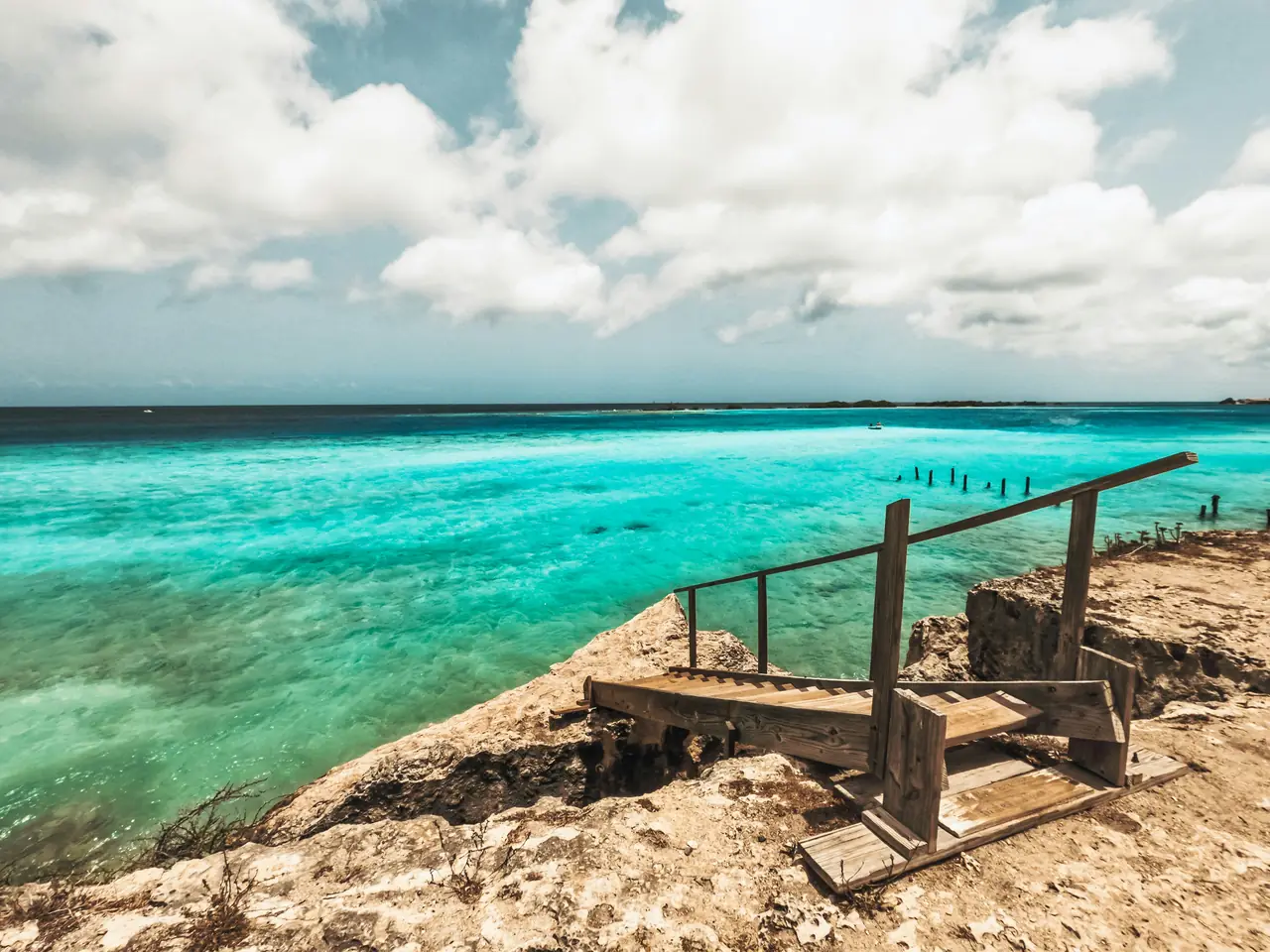
Bonaire is the Caribbean without the performance. I rented a car and covered almost the whole island in about a week: windsurfers at Jibe City and Sorobon Beach, flamingos at the Pekelmeer sanctuary, the wild north in Washington-Slagbaai National Park, the 1,000 Steps, the Salt Pier and Pink Beach. The park day tour ended with a sunset picnic at Te Amo Beach with people I'd met that morning, which is how strangers become company on an island this small. Mornings started with fresh bread from Van Den Tweel.
- Best for: Travelers who want nature, quiet and an unhurried pace
- Getting around: Rental car; there's no practical alternative
- Advisory: Level 1, Exercise normal precautions (as of August 2024)
Full guide: Bonaire.
2. Curaçao, Best for Culture and Color
Curaçao has the Dutch Caribbean's ease with more texture: a UNESCO-listed capital in Willemstad, food that's sometimes surprising (I saw iguana stew on one menu), and west-side beaches like Grote Knip and Cas Abao. The highlight of my trip was the Mermaid boat to Klein Curaçao, where I met wonderful people. Most visitors are Dutch, and there's none of the beach hustling you get used to elsewhere in the region.
- Best for: Travelers who want a city and a beach in the same trip
- Getting around: Rental car, especially for the west side
- Advisory: Level 1, Exercise normal precautions (as of August 2024)
Full guide: Curaçao.
3. Aruba, Best Easy First Trip
Aruba is the island I'd suggest to anyone nervous about traveling the Caribbean. It's small, English is spoken everywhere in tourism, and the food is reliably excellent: in a week I didn't have a single meal that wasn't. I walked into a rental office without a reservation and drove to Baby Beach with stops along the way, and Arashi Beach in the north is just as lovely. The catch is the wind, which never stops. Bring a beach chair unless you enjoy sand in your mouth.
- Best for: First-time solo travelers, easy logistics, beach lovers
- Getting around: Arubus buses link Oranjestad, Eagle Beach and Palm Beach; a car for the south and north
- Advisory: Level 1, Exercise normal precautions (as of August 2024)
Full guide: Aruba.
4. Cuba (Havana), Best for Atmosphere
Havana is beautiful and crumbling, warm and complicated, and unlike anywhere else in the region. It's also the most demanding island in the top half of this list. The State Department has flagged crime and an unreliable power grid, US-issued cards don't work so you bring all your cash, and US citizens can't visit as tourists at all: travel has to fit one of the authorized categories set by the Treasury Department.
- Best for: Experienced travelers who want something genuinely different
- Getting around: On foot in Old Havana; classic taxis beyond it
- Advisory: Level 2, Exercise increased caution (as of May 2025)
Full guide: Havana.
5. Puerto Rico (Rincón and Vieques), Best Without a Passport
Two corners of Puerto Rico made my list. Rincón on the west coast is surf country: Playa Tres Palmas and the Wilderness break are for advanced surfers, and The Beach House is where I went for drinks and dinner. Vieques is wilder, with the bioluminescent glow of Mosquito Bay, wild horses on the roads, and some of the Caribbean's most beautiful beaches. As a US territory, there's no passport needed for Americans and the dollar is the currency.
- Best for: US travelers, surfers, beach collectors
- Getting around: A car in Rincón; a jeep on Vieques, which I reached by plane from Culebra
- Advisory: None applies (US territory). On Vieques, stay on marked paths: parts of the former Navy range are still being cleared of unexploded ordnance.
Full guides: Rincón and Vieques.
6. Saint-Martin / Sint Maarten, Best for Two Countries in One Trip
One island, two nations, no border. The French side is where I'd eat: Grand Case for restaurants and Orient Beach for long days and good food (snails, if you see them). The Dutch side is for action: a speedboat day snorkeling with sea turtles, jets landing low over Maho Beach, superyachts at Port de Plaisance. Service is slow on both sides, and if you book an Airbnb on the French side, ask about water outages first. I lost a day to one.
- Best for: Food lovers, travelers who want variety without changing islands
- Getting around: Rental car
- Advisory: rated separately; Saint-Martin Level 1, Exercise normal precautions (as of August 2024), Sint Maarten Level 1, Exercise normal precautions (as of August 2024)
Full guides: the French side and the Dutch side.
7. Corn Islands, Nicaragua, Best for Going Off-Grid
Little Corn has no cars and no roads, only sandy paths, and getting there can be an adventure in itself: when wind grounded the pangas, I crossed on a fisherman's boat. It's raw and beautiful, with little shops in people's front rooms and long sunsets on Big Corn. It belongs on this list with a clear warning, though. Nicaragua's advisory is a serious one, and the reasons it has given are arbitrary enforcement of laws, wrongful detention and limited healthcare rather than street crime. Read the advisory in full before booking.
- Best for: Travelers who want to disappear for a while
- Getting around: Small plane to Big Corn, boat to Little Corn, then your own two feet
- Advisory: Level 3, Reconsider travel (as of May 2026)
Full guide: Corn Islands.
8. San Andrés, Colombia, Best for Color on a Budget
The Sea of Seven Colors earns its name. San Andrés is affordable, busy with Colombian vacationers rather than foreign ones, and easy to get around: I walked from the airport to my first hotel, rented a golf cart for a day, and rode a public bus marked "San Luis" to my second. Budget for the tourist card you must buy before you board.
- Best for: Budget travelers, Spanish speakers, snorkelers
- Getting around: Golf cart, mototaxis and public buses
- Advisory: Colombia, country-wide, Level 3, Reconsider travel (as of March 2026). San Andrés hasn't been among the named Do Not Travel areas, but no official source rates the island separately.
Full guide: San Andrés.
9. Isla Mujeres, Mexico, Best Escape from Cancún
I came over to Isla Mujeres by catamaran on a weekend during a month in Cancún. It's small and walkable from the pier, and Playa Norte is one of the most beautiful beaches in Mexico: shallow, calm and warm enough to stand in for an hour.
- Best for: A day trip or a slower base near Cancún
- Getting around: On foot or by golf cart
- Advisory: Quintana Roo, Level 2, Exercise increased caution (as of May 2026); read the state entry in the Mexico advisory.
More in the Cancún guide.
10. Barbados, Best for a Road Trip
Barbados has the region's most polished infrastructure and plenty to fill the days: a lunch cruise with Calabaza Sailing, surf lessons at Barry's Surf Barbados, and an island small enough to cross from the south coast to the north in about an hour. I rented a car, which takes some adjusting to, with left-hand driving and roundabouts everywhere. The honest caveat is catcalling, which was close to constant on my trip. A local woman told me every woman on the island lives with it.
- Best for: Drivers, surfers, travelers who like structure
- Getting around: Rental car, or the public bus network
- Advisory: Level 1, Exercise normal precautions (as of April 2026), with a specific warning against walking alone at night on beaches or unlit streets
Full guide: Barbados.
Solo Travel Tips for the Caribbean
- Book the first two nights before you fly. Arriving alone and hotel-hunting is the most stressful version of a Caribbean arrival. Lock in a known good stay for landing; reassess from there.
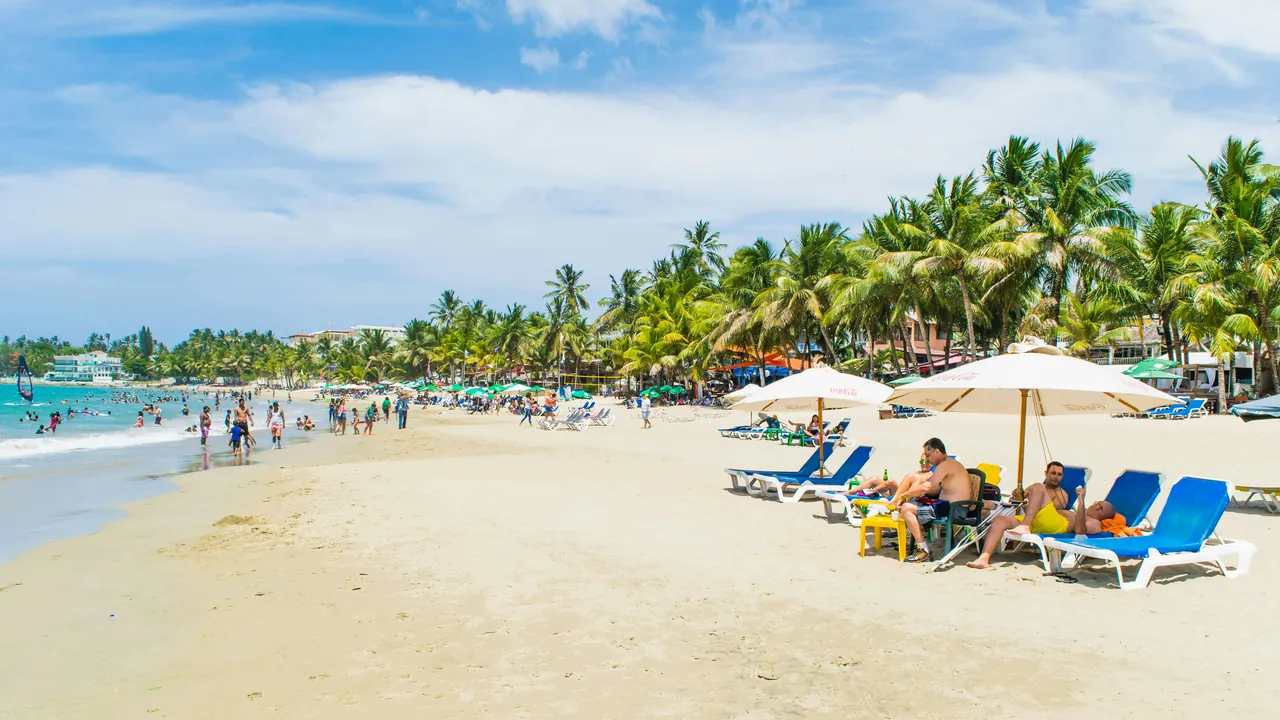
- Say yes to the boat day. A catamaran or day tour is the single best way to meet people on any of these islands. On Bonaire, mine ended with a sunset picnic.
- Rent the car. On most of these islands I drove, and it turned a list of beaches into a trip.
- Download offline maps before you land. Data can be patchy; a pinned hotel location and offline maps are the simplest safety upgrade you can make.
Frequently Asked Questions
Is the Caribbean safe for solo travelers?
It depends entirely on which island. The Caribbean is not one place, and the islands on this list span several US State Department advisory levels. The Dutch Caribbean islands, Barbados and Saint-Martin/Sint Maarten have long sat at the calm end of the scale; San Andrés and the Corn Islands carry their countries' more serious ratings. Each island's current level is listed above, and the levels are revised throughout the year, so check yours before you book.
What is the safest Caribbean island for a solo traveler?
By official rating, the islands at the lowest advisory level, listed with each entry above. In my own experience, Aruba leads the safety ranking, with Bonaire, Barbados and Curaçao close behind.
Which Caribbean island is best for a first solo trip?
Aruba. English is universally spoken in tourism, the island is small, the food is excellent, and logistics never become the hard part of the trip.
Do I need to rent a car in the Caribbean as a solo traveler?
On most of these islands, I'd say yes. I rented a car on Aruba, Bonaire, Curaçao, Barbados and Saint-Martin/Sint Maarten, and a jeep on Vieques. Aruba is the exception where buses cover the main beach strip well.
When is the best time for a solo Caribbean trip?
December through April is the dry season and peak weather, but also peak price. May and November are the shoulder-season sweet spots: still good weather, fewer crowds, lower prices. Hurricane season (August to October) is riskier and only worth it with flexible dates and good travel insurance.
The Bottom Line
For your first Caribbean trip, go to Aruba. For quiet, Bonaire. For a city with character, Curaçao. And if you want to step off the map for a while, Little Corn, with the advisory read in full before you go.
Where to go next
- the safety-only ranking, if that is the deciding factor.
- Antigua and Montego Bay, two more Caribbean guides on this site.
- every Caribbean guide on one page, grouped by where the islands sit, if you'd rather browse than follow a ranking.
Common questions
Is the Caribbean safe for solo travelers?
It can't be answered region-wide, because advisory levels vary island to island, and they change over time. The Dutch Caribbean islands, Barbados and Saint-Martin/Sint Maarten have long sat at the calm end of the US advisory scale, while San Andrés and the Corn Islands carry their countries' more serious ratings. Check the current advisory for your specific destination before booking.