Solo Travel Guide to New York City
New York is built for people doing things alone: eating at the bar, going to a show solo, walking for hours. Here's how to make a first solo trip work without burning out.

Quick facts
- Region
- New York State, US Northeast
- Best months
- April–June, September–early November
- Airports
- JFK, LaGuardia, Newark
- Budget
- Expensive
- Solo safety
- Good with normal city sense
- Getting around
- Subway, 24 hours
- Trip length
- 4–5 days
- Tipping
- 20% standard
New York is my home base. I live in Brooklyn, so this isn't a trip report. It's the advice I give my friends and family when they come to visit: how to arrive, how to spend your time here, and how to leave.
New York is one of the best cities in the world to visit alone, largely because nobody notices or cares that you are. Eating at a bar by yourself, going to a show solo, walking twelve miles in a day, all completely ordinary. The city's scale is the thing that catches people out, not its reputation.
Is New York safe for solo travelers?
Broadly yes, with the caveat that it's a large city and requires normal city awareness rather than none. Manhattan below 110th Street and the central Brooklyn neighbourhoods are busy at nearly all hours, which is itself a form of safety. The subway is generally fine; late at night, wait in the lit sections near the platform staff and pick a car with people in it.
The most common problems tourists have are pickpocketing in crowds and overpaying for taxis. Neither is dangerous, both are avoidable.
Where to stay
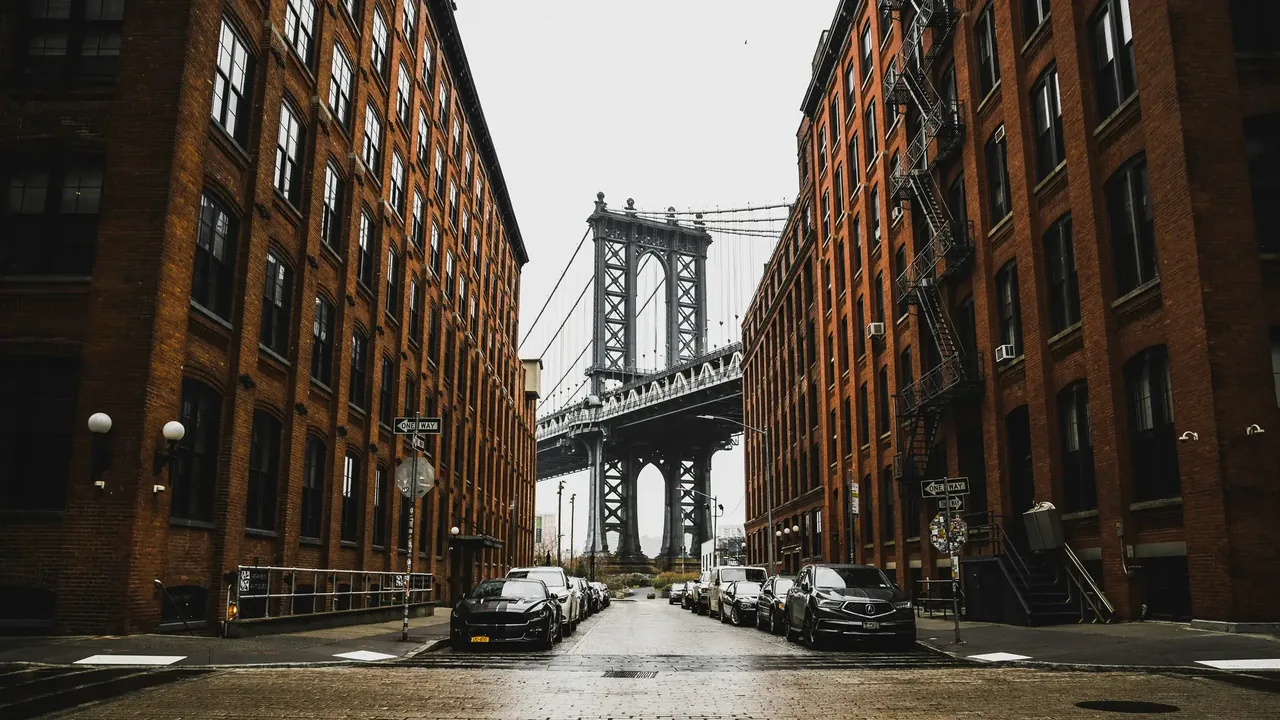
Lower East Side and East Village put you in walking distance of a lot of good food and bars, with rates below Midtown. Williamsburg in Brooklyn is calmer, cheaper, and 15 minutes to Manhattan on the L train. Midtown is convenient and characterless. Avoid booking somewhere far out to save money. The commute will cost you more in time than you save.
What to do
I'm not going to tell you the top tourist attractions. You know what they are. What I will tell you: wear comfortable shoes, get lost in New York, and keep an open mind.
As a local, I love people watching, so any restaurant where you can sit outside and watch the city go by gets top marks by my rating. Instead of museums, or on top of them, go to the galleries. They're free, and if you catch an opening, there's free wine and cheese, too. The city is full of great rooftop bars, a wonderful way to enjoy yourself and discover New York from above.
A lot of visitors don't realize New York has beautiful beaches. My favorite is Rockaway Beach, and that's where I spend my summers. I hardly ever leave New York in the summer; there's always more to do outside.
Walk the Brooklyn Bridge, and visit Green-Wood Cemetery. It's huge, but there's a trolley you can take.
New York is a living organism. It changes and adapts to the people who live in it, and I often find myself heading somewhere in the city only to discover that the building that used to be there is gone, with another one in its place.
Where to eat
Bar seating at good restaurants is usually walk-in only, which means solo diners get in when groups can't. That's the single best trick in New York. Beyond that: dollar slices, dumplings in Chinatown, a proper bagel, and one meal somewhere you'd never normally book. In the West Village, where I stayed, Via Carota, Barbuto, and b'artusi are all worth the walk-in wait if you're patient, and Waverly Inn is the one to book ahead for the room itself as much as the food. For something different, Kalustyan's in Curry Hill is a spice shop worth a visit on its own, and a good stop for picking up snacks you can't get at home.

Arriving and Leaving
If you can, have someone pick you up from the airport. If not, take an Uber. My rule is never to take a taxi from the airport, and how you plan the ride depends on where you land. LaGuardia is the easiest airport to reach by public transport, at least for me in Brooklyn, and from JFK, the AirTrain to Jamaica is another option.
Getting around
Paying for the subway is simpler than most guides make it sound, and getting it right saves you money without any effort.
You pay by tapping a contactless credit or debit card, your phone, a watch, or the MTA's own card at the turnstile. No app, no sign-up, no queuing at a machine.
Don't buy a pass. Fare capping is automatic: tap the same card or device every time, and once you've hit the weekly cap, every further ride that week is free.
That's the old 7-day unlimited, without the upfront cost and without having to guess whether you'll ride enough to justify it. The seven days start on your first tap, not on Monday. It's genuinely one of the better transit fare systems in the world and almost nobody arrives knowing about it.
The one rule that matters: use the same card or device every single time. Tap your phone once and your physical card the next, and they count as two separate riders, and neither reaches the cap. Pick one and stick to it for the whole trip.
If you'd rather not use a bank card, buy a transit card at any station vending machine and load it with cash. Single-ride tickets cost more than tapping and don't count toward the cap.
Express buses are a separate, higher fare with their own cap and are almost never what a visitor wants.
The rest. The subway runs 24 hours, which no other US system does and which matters enormously when you're out alone at night. There is always a way home. Download an offline map, because signal disappears between stations. Buses are slower but useful crosstown, where the subway barely goes. Skip taxis unless it's late and you're tired.
Practical info
- Best time to go: April to early June and September to early November. July and August are humid and expensive; January and February are cold but cheap.
- Currency: US dollar. Tipping is 20% at restaurants and bars, and it is not optional.
- Getting there: JFK and Newark for international, LaGuardia mostly domestic. The AirTrain plus subway is far cheaper than a cab from any of them.
- Visa: ESTA for most European passport holders, applied for online in advance.
Final thoughts
Four or five days is right. New York punishes over-scheduling, pick two or three things a day and leave room to wander between them. The city is at its best in the gaps.
Where to go next
What the official advice says
No State Department advisory applies to domestic US destinations. Crime figures come from the FBI's Uniform Crime Reporting programme and local police departments.
Source: U.S. Department of State. Checked 16 August 2026. Advisory levels change, so check the source before you book.
Common questions
Is New York City safe for solo travelers?
Yes, with normal city awareness. Central Manhattan and Brooklyn stay busy at nearly all hours. The main risks are pickpocketing in crowds and taxi overcharging rather than anything more serious.
Is the New York subway safe at night?
Generally yes. It runs 24 hours. Late at night, wait in the designated lit areas near platform staff and choose a carriage that already has people in it.
How many days do you need in New York?
Four to five. The city rewards a slower pace, two or three planned things a day with time to walk between them beats trying to see everything.
Is it awkward to eat alone in New York?
No. Bar seating at restaurants is usually walk-in only, which means solo diners frequently get tables when groups are turned away.