Montreal Solo Travel: Things to Do Alone and Where to Stay
Montreal is one of the easiest cities in North America to travel alone: walkable, bilingual, cheap by Canadian standards, and comfortable to be out in after dark.
Quick facts
- Region
- Quebec, Eastern Canada
- Best months
- May–October, plus February for festivals
- Airport
- Montréal–Trudeau (YUL)
- Budget
- Mid-range
- Solo safety
- Excellent
- Language
- French first, English widely spoken
- Getting around
- Metro and on foot
- Trip length
- 3–4 days
My trip
- Visited
- October 2008
- Length
- A weekend
- Stayed
- YMCA, downtown Montreal
- Got around by
- Road trip from New York
- Travel style
- Mid-range
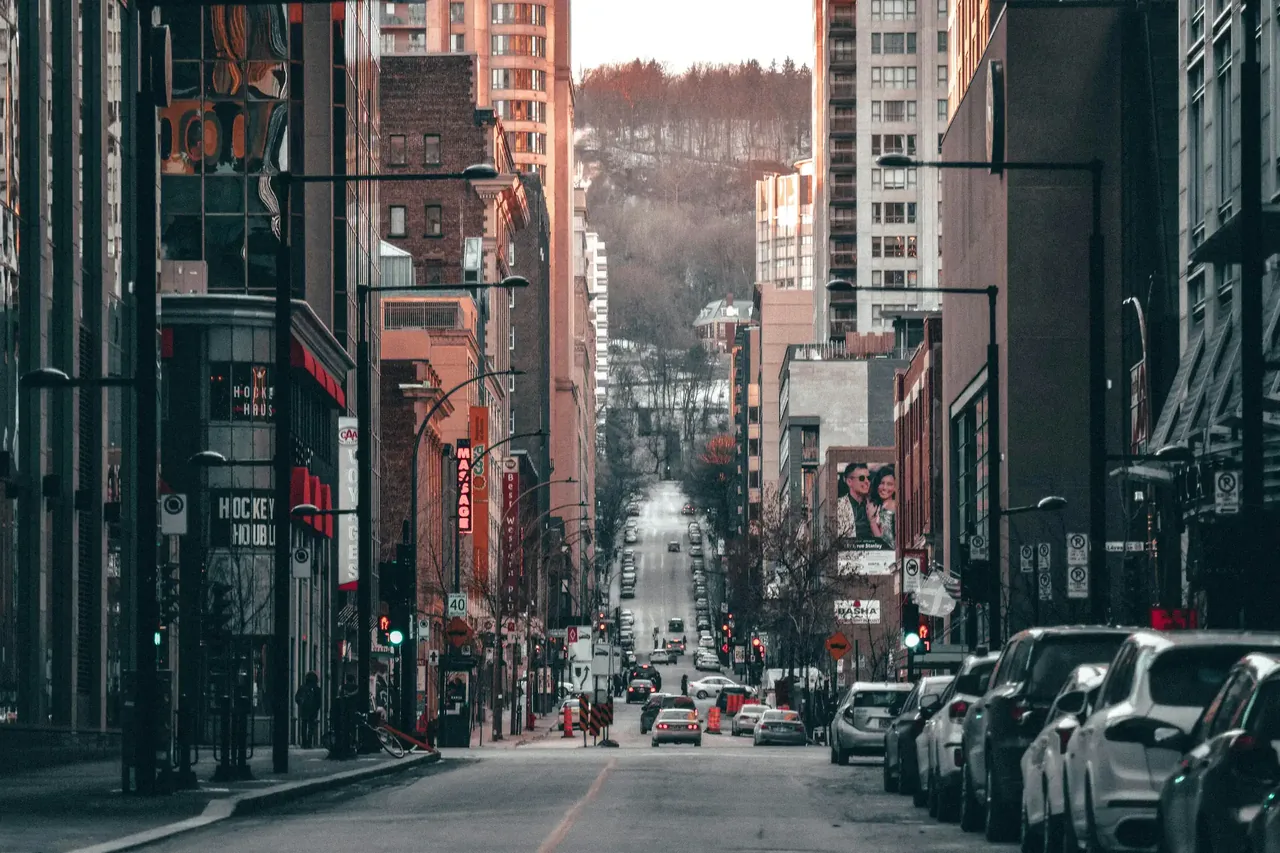
Montreal is close enough to New York for a spontaneous weekend, and that's exactly how I saw it: a road trip up from New York, a room at the YMCA downtown, a hike up Mont Royal and nights spent bar hopping.
Montreal is the closest thing North America has to a European city, and it's my first recommendation for anyone doing their first solo trip on this continent. Walkable, simple metro, good food at every price, and being out alone in the evening is completely unremarkable.
Short answer: Montreal is the easiest first solo trip in North America: walkable, bilingual, with one of the lowest violent crime rates of any major city on the continent. Stay in the Plateau or Mile End, climb Mount Royal, eat at the bar without anyone noticing, and get an OPUS card rather than a rental car. In winter, learn the RÉSO before anything else.
Is Montreal safe for solo travelers?
Yes. Montreal has one of the lowest violent crime rates of any major North American city, and the central neighbourhoods stay busy well into the night. Walking home from a restaurant in the Plateau or Mile End at 11pm is unremarkable. Standard caution applies around Berri-UQAM metro late at night and in quieter industrial pockets, but nothing about the city requires a defensive posture.
Where to stay in Montreal
My stay: the YMCA in downtown Montreal, on a weekend road trip from New York.
The Plateau is the most enjoyable base: leafy streets, spiral staircases, cafés, and an easy walk into downtown. Mile End next door is quieter and more residential, with the best bagels and coffee. Old Montreal is beautiful and central but empties out at night and prices are tourist-facing. Downtown suits you if you want to be on top of the metro and don't care about atmosphere.
Things to do in Montreal alone
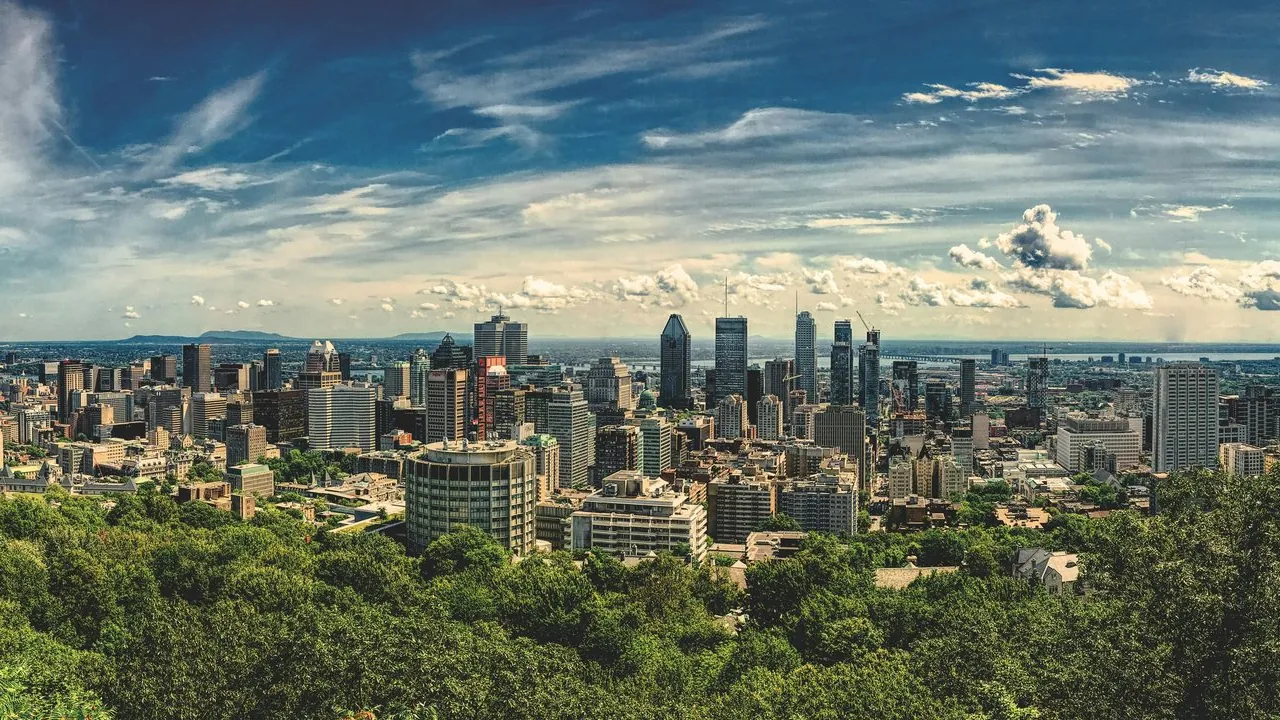
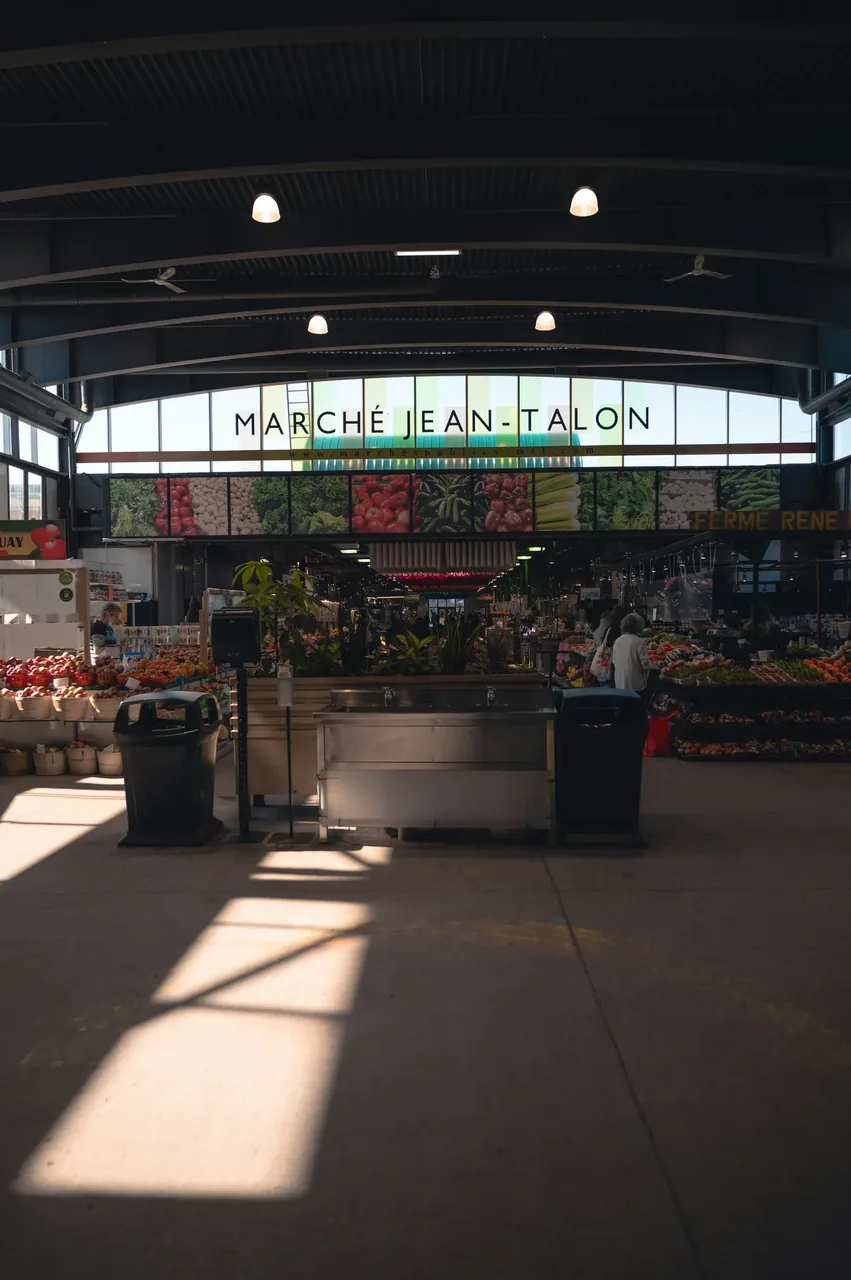
Climb Mount Royal for the view over the city. It's a genuine hike rather than a lookout, and busy with locals at all hours. Wander Old Montreal early before the cruise crowds. The Notre-Dame Basilica is worth the entry fee. Jean-Talon Market in the north end is one of the best food markets in North America and easy to visit alone.
On my weekend I hiked Mont Royal and spent the nights bar hopping. For the party scene, head to Rue Crescent (Crescent Street), Rue Sainte-Catherine and Boulevard De Maisonneuve, and the Sir Winston Churchill Pub does great burgers.
If you're there in winter, the underground city connects a surprising amount of downtown, and the February festival season means the cold is something the city organises around rather than hides from.
Eating alone in Montreal
Eating alone is easy here. Bar seating is normal, service is unfussy, and the city takes food seriously without being precious about it. Try a smoked meat sandwich at one of the delis, a wood-fired bagel in Mile End, and poutine somewhere unglamorous rather than somewhere with a queue.
Montreal's BYOB restaurants, apportez votre vin, are a good solo option: bring a bottle from a nearby shop and the bill stays low.
Getting around Montreal
How I got around: by car, on a road trip up from New York.
The metro covers everything you'll want and runs until around 1am. Buy a rechargeable OPUS card. The city is flat and grid-like, so walking is often faster than it looks on a map. BIXI bike share is well-distributed in summer. You do not need a car.
And if you're here in winter, learn the RÉSO before you do anything else.
Montreal's underground city (officially the RÉSO, locally la ville souterraine) is roughly 32 kilometres of connected indoor passages beneath and between downtown buildings, linking around 60 buildings, seven to ten metro stations, two train stations, and well over a thousand shops and restaurants. It is the largest network of its kind in the world, it is free to walk, and entrances are marked RÉSO with something like 120 to 190 street-level access points.
The connected stations are the downtown spine: Bonaventure, Square-Victoria, Place-d'Armes, Place-des-Arts, McGill, Peel, Berri-UQAM, Atwater.
What it actually does for you at −25°C is let you get from a metro station to a hotel to lunch to a museum without going outside. You can walk from Place Bonaventure to McGill, about 2km, entirely indoors. In January that is not a curiosity, it is the difference between a usable day and hiding in your room.
An honest caveat, because plenty of visitors are disappointed by it. This is not a subterranean tourist attraction and it is not one continuous mall. It's a set of passages linking buildings that happen to have shops in them, and in decent weather it is usually faster to walk above ground. Go in expecting infrastructure rather than a spectacle.
Why it earns a mention in a solo guide specifically: it's warm, well-lit, busy with commuters, and it removes the main reason a winter trip here goes wrong. That you stop leaving your accommodation. Pick the section nearest whatever you're doing that day rather than trying to see the whole thing. Getting lost is easy, so use Tourisme Montréal's RÉSO guide.
Practical info for Montreal
- Best time to go: May to October for warm weather and terrasse season. February if you want winter festivals. January and March are cold and grey without the compensation.
- Currency: Canadian dollar. Cards accepted everywhere.
- Language: French is the working language. English is widely understood, and a bonjour to open a conversation goes a long way.
- Getting there: Direct flights from most US and European hubs. The 747 bus runs from the airport to downtown around the clock.
- Visa: Most Western passport holders need only an eTA, applied for online.
How long to spend in Montreal
Montreal rewards a slow trip. Three days is enough to see the headline sights; four lets you sit in cafés and treat the city as a place rather than a checklist. For a solo traveler wanting somewhere easy, interesting and low-stakes, it's hard to beat.
Where to go next
- New York City, six hours south by train and an easy pairing.
- Kraków, if Montréal left you wanting more old-world streets.
What the official advice says
Canada, Level 1: Exercise normal precautions
Source: U.S. Department of State, issued June 2026. Checked 16 August 2026. Advisory levels change, so check the source before you book.
Common questions
Is Montreal safe for solo travelers?
Yes. Montreal has among the lowest violent crime rates of any major North American city, and the central neighbourhoods stay busy late into the evening. Normal night-time awareness is enough.
Do I need to speak French in Montreal?
No. French is the working language and signage is French-first, but English is widely understood in central areas. Opening with bonjour is appreciated.
What is the best area to stay in Montreal alone?
The Plateau is the most enjoyable base for solo travelers: walkable, lively, and full of cafés. Mile End is quieter and equally safe.