Solo Travel Guide to Mérida, Mexico
Mexico's most underrated city: colonial streets, serious food, cenotes and Mayan ruins within a day trip, and it feels safe on foot.
Quick facts
- Region
- Yucatán State, Mexico
- Best Month to Visit
- November–March
- Typical temperature
- ~28°C / 82°F
- Airport
- Mérida MID (or via Cancún)
- Budget
- Budget-friendly to mid-range
- Solo safety
- Excellent, one of Mexico's best
- Top Day Trip
- Uxmal Mayan ruins
- Must Eat
- Cochinita pibil at a market
- Don't Miss
- Sunday in the Plaza Grande
My trip
- Visited
- May 2023
- Length
- A week to ten days
- Stayed
- Hotel Luz en Yucatán, Centro
- Travel style
- Budget-friendly to mid-range
Mérida is a city that lives in its public squares, and the best thing you can do is join it. I stayed at Hotel Luz en Yucatán in Centro, where walking out of your room is how you make friends.
Mérida doesn't get nearly as much attention as Tulum or Cancún, which makes it one of Mexico's best-kept secrets for solo travelers. The capital of Yucatán state is a walkable colonial city with some of the best food in Mexico, a rich Mayan heritage, and a cosmopolitan expat community that makes it easy to meet people and navigate independently. If you can choose your month, March is the one to aim for: dry, warm (around 28°C/82°F), and before the brutal April–May heat sets in.
Is Mérida Safe for Solo Travelers?
Mérida has the strongest safety credential of any destination on this site, and it is a specific, checkable one rather than a vibe.
Mexico's advisory is issued state by state, and Mérida sits in Yucatán state, rated Level 1, Exercise normal precautions (as of May 2026). Yucatán has long been one of the lowest-rated states in the country, a real contrast with Quintana Roo, an hour east, where Cancún and Tulum sit at Level 2, Exercise increased caution (as of May 2026).
This is the single most useful thing to know when planning a first solo trip to Mexico, and it is routinely lost when destinations get lumped together as "the Yucatán Peninsula." The peninsula spans three states at two different advisory levels.
That said, a low rating isn't a zero rating, and the advisory has noted that criminal organisations have a presence in the state. What it has not done is impose travel restrictions on US government employees in Yucatán: a useful tell, because those restrictions are where the State Department signals genuine no-go areas.
Practically, for a solo traveller: the Centro Histórico is walkable by day and busy into the evening with concerts, markets and street events, particularly at weekends. The general Mexico guidance still applies. Don't hail taxis on the street, use apps or sitio stands, and watch your drink. Tap water isn't drinkable anywhere in Mexico, Mérida included.
Advisory levels change. Check the current rating before you go rather than trusting this page's publication date.
The Centro Histórico: Start Here
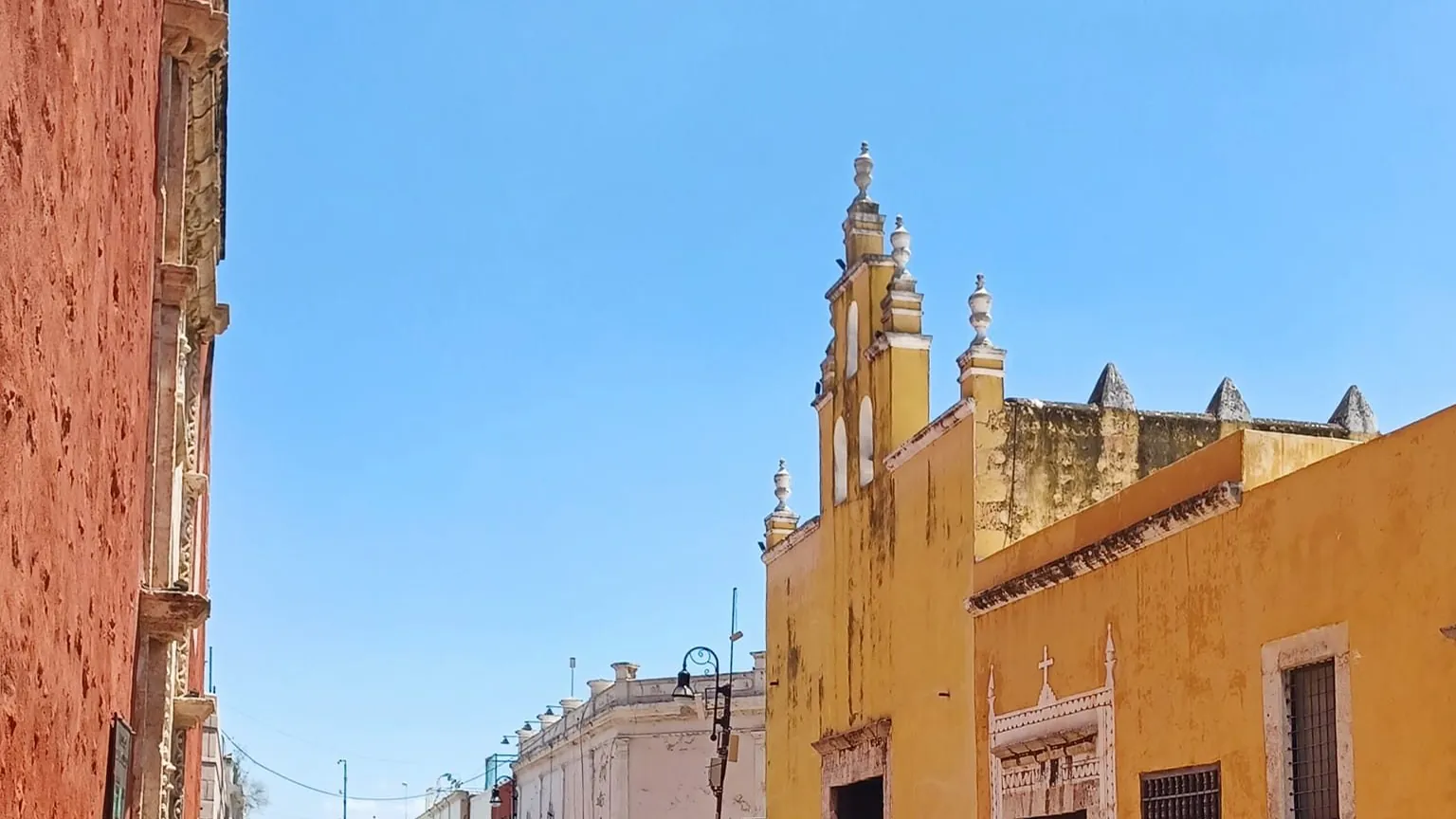
Mérida's center is built around the Plaza Grande, flanked by the 16th-century cathedral and the Palacio de Gobierno. The streets radiating out from the plaza are filled with colonial mansions, markets, and restaurants. The Paseo de Montejo (a wide, tree-lined boulevard with ornate early 20th-century mansions) is the city's most photogenic street and excellent for an evening walk.
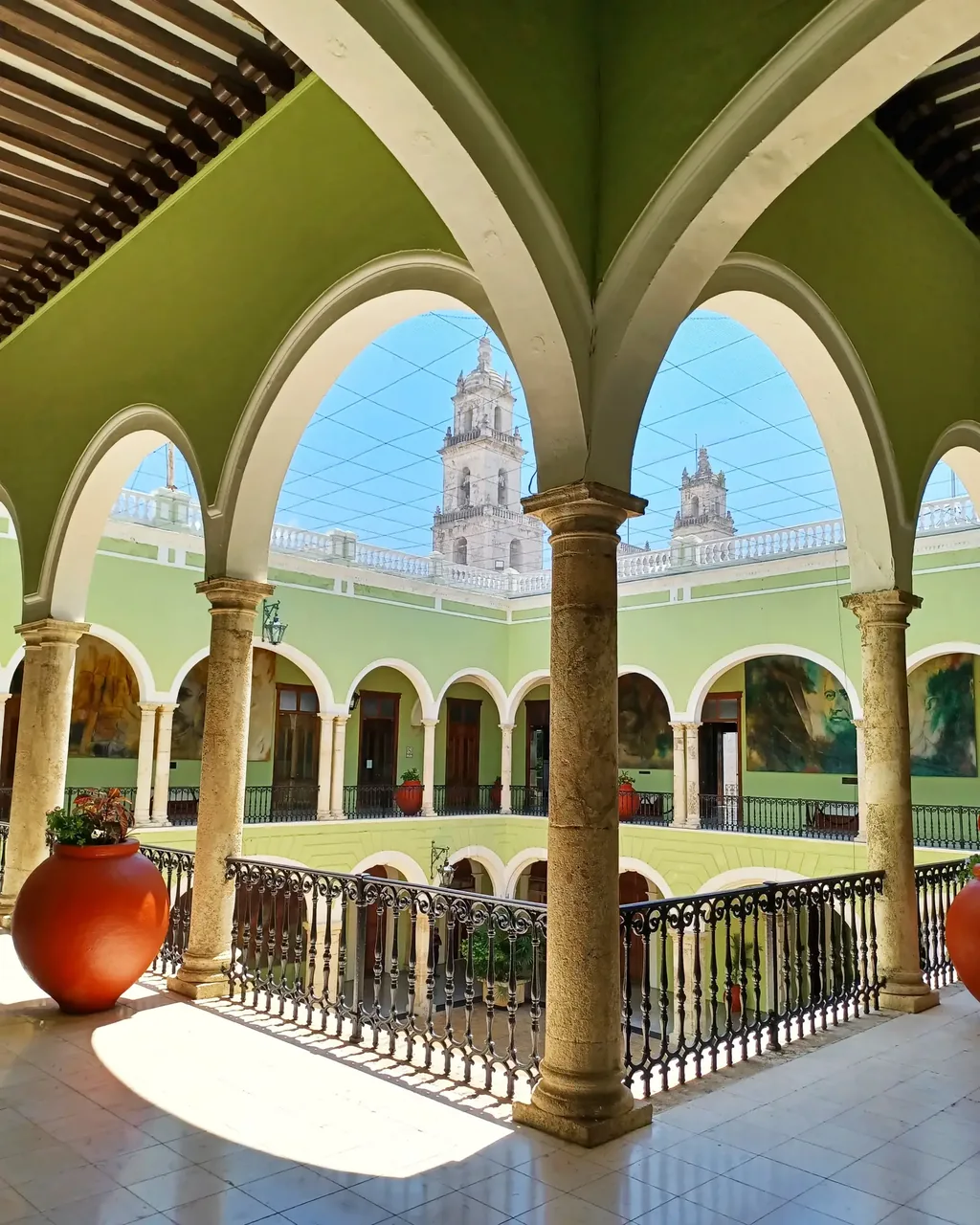
Hotel Luz and the City Itself
I met great people at Hotel Luz en Yucatán. You walk out of your room and make friends. I spent lazy hours relaxing by the pool, and the morning coffee was delicious.
Mérida is the capital of Yucatán, yet there aren't many foreign tourists, and because of that the city feels authentic, not run for visitors. My advice is to get yourself to any public space and let the city happen around you. My favorite is the Palacio de Gobierno del Estado de Yucatán.
Sunday: Build the Trip Around It
If your dates have any flexibility at all, be in Mérida on a Sunday. This is the single best piece of planning advice for this city, and it's the reason to shift a flight by a day rather than the reason to shrug and move on.
Mérida en Domingo closes the streets around the Plaza Grande and along Calle 60 up to Parque Santa Lucía, and the whole quadrant becomes pedestrian for the day, roughly 9am to 8pm. Artisan and food stalls fill the square, restaurants put tables into the road, and there's a free cultural programme running through the day, with the vaquería (the traditional Yucatecan jarana dancing, in full regional dress) usually staged in the early afternoon by the Palacio Municipal. All of it is free.
Earlier the same morning, La Biciruta closes about 5km of Paseo de Montejo and connecting streets to traffic from 8am to noon, and the city cycles it. Bike rental is available along the route. It's busiest around 11am.
Why this matters more when you're alone than when you're not. A pedestrianised city centre full of families, food stalls and live music is the easiest possible environment to spend a day in by yourself. Nobody is looking at you. You can eat standing up at a stall rather than negotiating a table for one, drift between performances, and be surrounded by people without having to talk to any of them. Solo travel in a restaurant-based city is work; solo travel in a street festival is not.
Mérida also runs free events on other nights: jarana at the Palacio Municipal on Mondays, 1940s dancing at Parque Santiago on Tuesdays, trova at Santa Lucía on Thursdays. If Sunday genuinely doesn't fit, the city still gives you something most evenings. But Sunday is the one.
Day Trips: Cenotes and Mayan Ruins
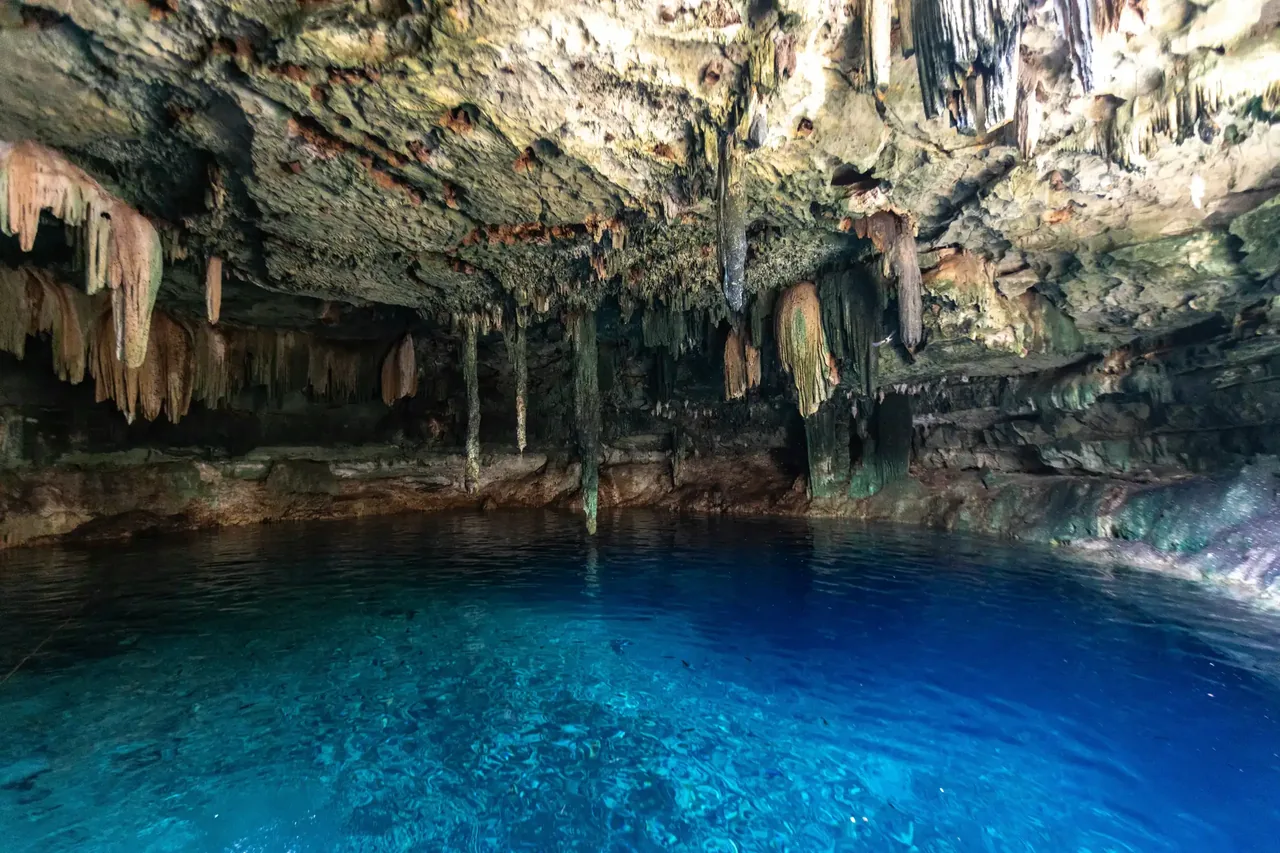
Mérida is the best base in the Yucatán for day trips. Uxmal (1 hour south) is a magnificent Mayan city that's less visited than Chichén Itzá and architecturally more interesting in many ways. The Pyramid of the Magician is remarkable. Izamal (1.5 hours east) is a colonial town painted entirely yellow with a massive Franciscan convent built on top of a Mayan pyramid. The Ruta de los Cenotes west of Mérida has multiple swimming cenotes ranging from open sky to cathedral-cave formations, several accessible by rental car in a single day. South of the city, the cenotes around Homún are another good option and less visited than the western route, several of them reachable by a shared moto-taxi circuit once you're in town.
Food: Why Mérida Is One of Mexico's Best Cities to Eat Solo
Yucatán cuisine is distinct from the rest of Mexico. It has strong Mayan roots with Lebanese and Spanish influences. Cochinita pibil (slow-roasted pork marinated in achiote) is the dish to seek out; you'll find it at markets and taquerías throughout the city. Poc chuc, grilled citrus-marinated pork, is the other Yucatecan classic worth ordering, a lonchería serving it well is worth seeking out over a hotel restaurant version. The Lucas de Gálvez market in the city center is the best place to eat like a local: comfortable, safe, and delicious. Eating alone at a market counter is completely normal and nobody will make you feel awkward about it.
La Chaya Maya is a must. For something simpler, Mercado San Benito has good food for just a few pesos.
Practical Info for Your Trip
- Best time to visit: November through March. March is excellent: dry, warm, before the intense heat.
- Getting there: Mérida Manuel Crescencio Rejón International Airport (MID) has connections from major Mexican cities and some US cities (Houston, Miami, Dallas). Or connect through Cancún (3-hour bus).
- Getting around: The center is walkable. Uber works well in Mérida. Rent a car for day trips to ruins and cenotes.
- Currency: Mexican Peso (MXN). Cards accepted at restaurants and hotels; bring cash for markets.
- Solo safety rating: Excellent, one of the best cities in Mexico for solo travel.
Where to go next
- Holbox, the easiest beach escape from here.
- Cancún, three hours east, with a different advisory picture.
- Punta Mita, if you want the Pacific coast next.
What the official advice says
Yucatán, Level 1: Exercise normal precautions
Mexico as a whole is rated Level 2. This region is rated separately.
Yucatán is one of only two Mexican states rated Level 1, alongside Campeche.
Source: U.S. Department of State, issued May 2026. Checked 16 August 2026. Advisory levels change, so check the source before you book.
Common questions
Is Mérida safe for solo travelers?
Mérida sits in Yucatán, which has long been one of the lowest-rated states in Mexico's US advisory. The advisory has placed no US government employee travel restrictions on Yucatán, which is the clearest signal available that no area is considered off-limits.
When is the best time to visit Mérida?
November through March. March is the pick: dry, warm, and just ahead of the April and May heat, which is genuinely punishing this far inland with no coast to cool things down.
How do you get to Mérida?
Manuel Crescencio Rejon International (MID) takes flights from major Mexican cities and a handful of US ones including Houston, Miami and Dallas. Otherwise fly into Cancun and take the ADO bus, which runs about three hours and is comfortable enough to be the better option than it sounds.
Is Mérida in the same state as Cancún?
No. Mérida is in Yucatán, Cancún is in Quintana Roo. They are neighbouring states on the same peninsula with separate US advisory entries, often at different levels, so treating the peninsula as one risk profile is a mistake.