Punta Mita Travel Guide: Is It Safe, and What It Costs Alone
One of Mexico's most luxurious Pacific destinations, and surprisingly manageable solo if you know which parts to skip.
Quick facts
- Region
- Riviera Nayarit, Pacific Mexico
- Best for Surf
- September–October
- Typical temperature
- ~30°C / 86°F
- Airport
- Puerto Vallarta (PVR)
- Budget
- Luxury (Four Seasons territory)
- Solo safety
- Very high
- Best Break
- La Lancha (right-hand point)
- Wildlife
- Humpback whales (Dec–Mar)
- Day Trip
- Sayulita (20 min away)
My trip
- Visited
- November 2024
- Length
- A week to ten days
- Stayed
- Hotel La Quinta del Sol
- Travel style
- Luxury (Four Seasons territory)
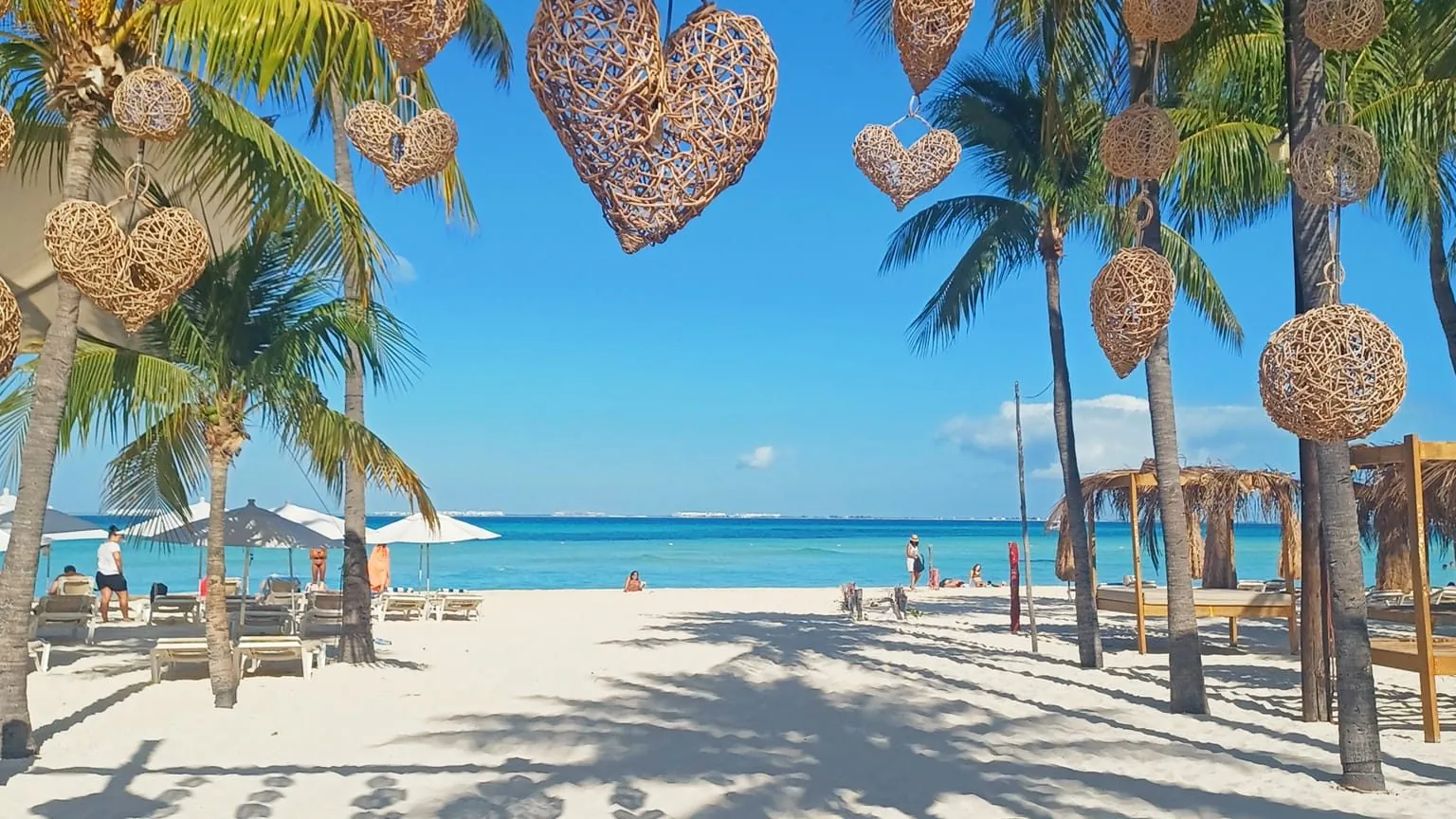
Punta Mita moves at the pace of a paddleboard. Most of my days were spent on the water right in front of Hotel La Quinta del Sol, with one big outing to the Marietas Islands. Punta Mita proper is Four Seasons territory; staying just outside that bubble is the way to do it on a normal budget.
Punta Mita sits at the northern tip of Banderas Bay, about 45 minutes from Puerto Vallarta, and it wears its luxury credentials openly: two Four Seasons properties, a gated community feel, and some of the best surf in Pacific Mexico. September is technically low season (warm, occasional rain, fewer tourists) which means better rates at properties that are genuinely beautiful. I found the combination of a relaxed surf-town pace and serious resort infrastructure unusually comfortable, and the people were genuinely friendly.
Safety in Punta Mita
There's a piece of misinformation that circulates about this stretch of coast, and it's worth clearing up before anything else.
Punta Mita is in Nayarit, rated Level 2, Exercise increased caution (as of May 2026). You fly into Puerto Vallarta, which is in Jalisco, a state that has carried a more serious rating. People find that out, panic, and cancel.
Read the actual advisory and the picture changes. Jalisco's rating has been driven by conditions elsewhere in a large state, and the State Department has explicitly placed no restrictions on travel in the Guadalajara metropolitan area, Puerto Vallarta including neighbouring Riviera Nayarit, Chapala, or Ajijic. The restrictions it has imposed are on specific southern highways nowhere near the airport road.
So: the state-level number is alarming and the airport corridor you'll actually use is carved out of it by name. This is the clearest example on the site of why reading the advisory beats reading the headline number, and why a state's headline number is a bad reason to cancel a Punta Mita trip.
Nayarit's own entry has been brief, with no travel restrictions on US government employees anywhere in the state.
For a solo traveller, the practical guidance is the same as everywhere in Mexico and stricter than most guides admit: don't hail taxis on the street: use Uber, Cabify, or a dispatched vehicle from a sitio stand, which is what US government employees are required to do. Watch your drink; the advisory is explicit that spiking and assault occur in resort areas. Tap water isn't drinkable. Pack a portable carbon monoxide detector if you're in a rental, since most Mexican properties don't have one and deaths do happen.
Tourist assistance is 078, emergencies 911. Check the current advisory before booking.
Surfing in Punta Mita
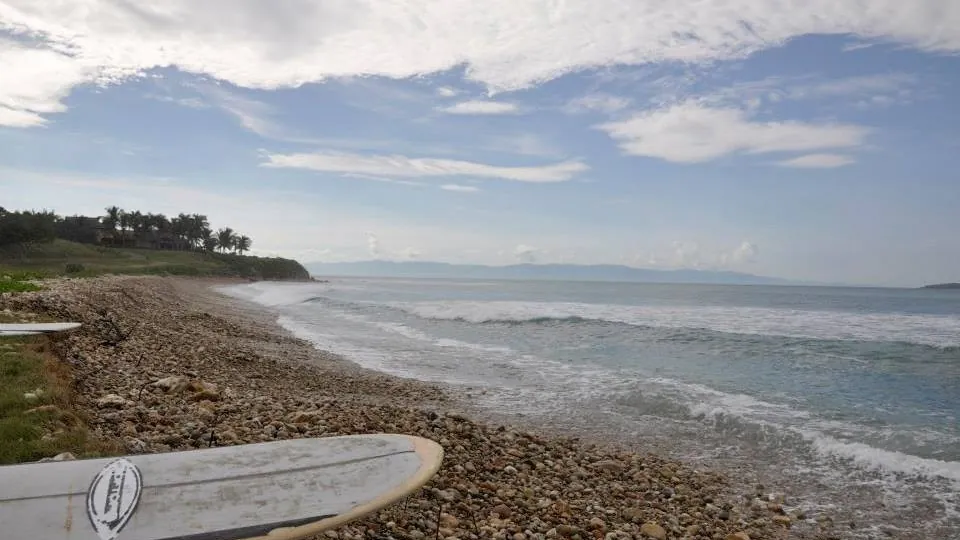
Punta Mita is known for consistent Pacific swell. La Lancha is the classic break. A right-hand point break that works best in September and October when northwest swells arrive. The famous Islas Marietas break (only reachable by boat) is one of the best in Mexico but requires experience. For beginners or intermediates, several surf schools operate in the area offering lessons and guided sessions to appropriate breaks. September's swell consistency makes it one of the better months to learn.
Day Trip to Sayulita
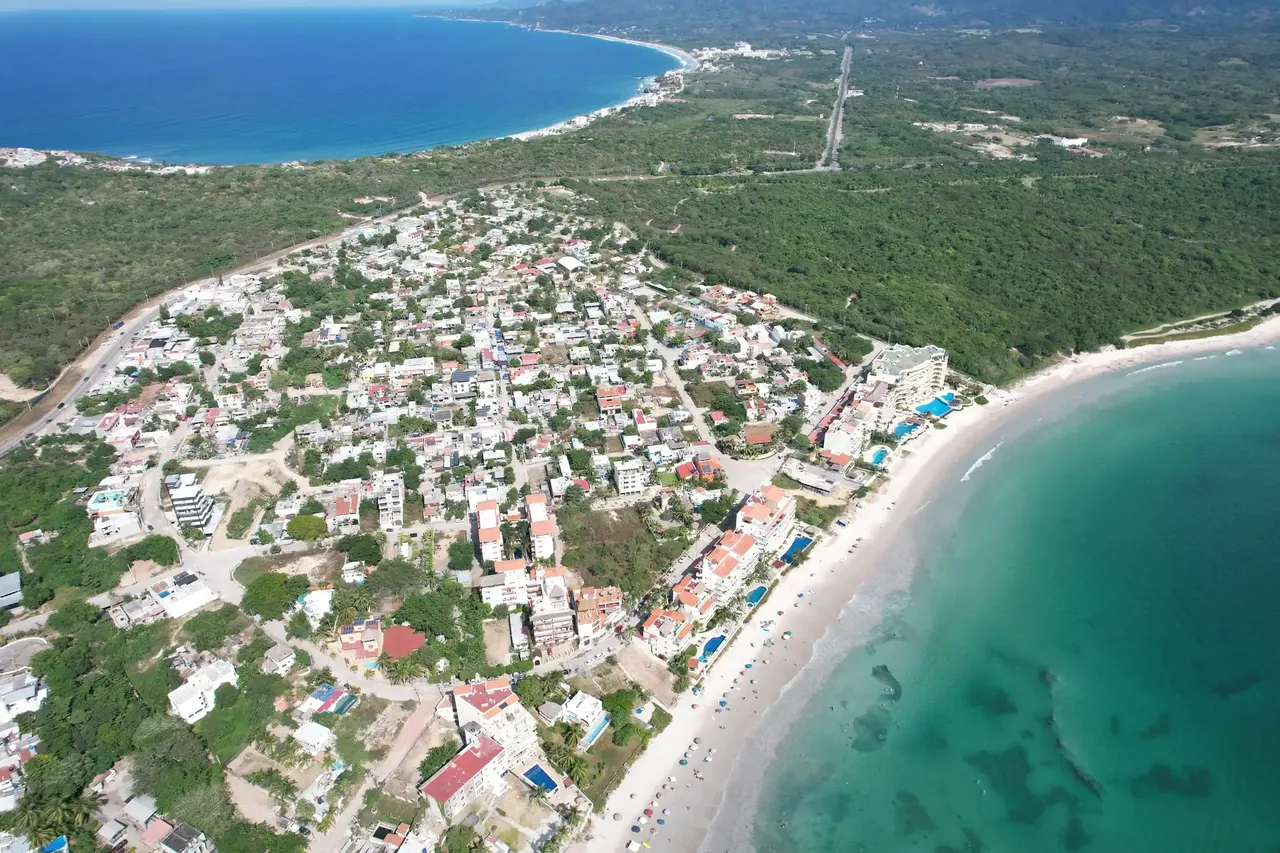
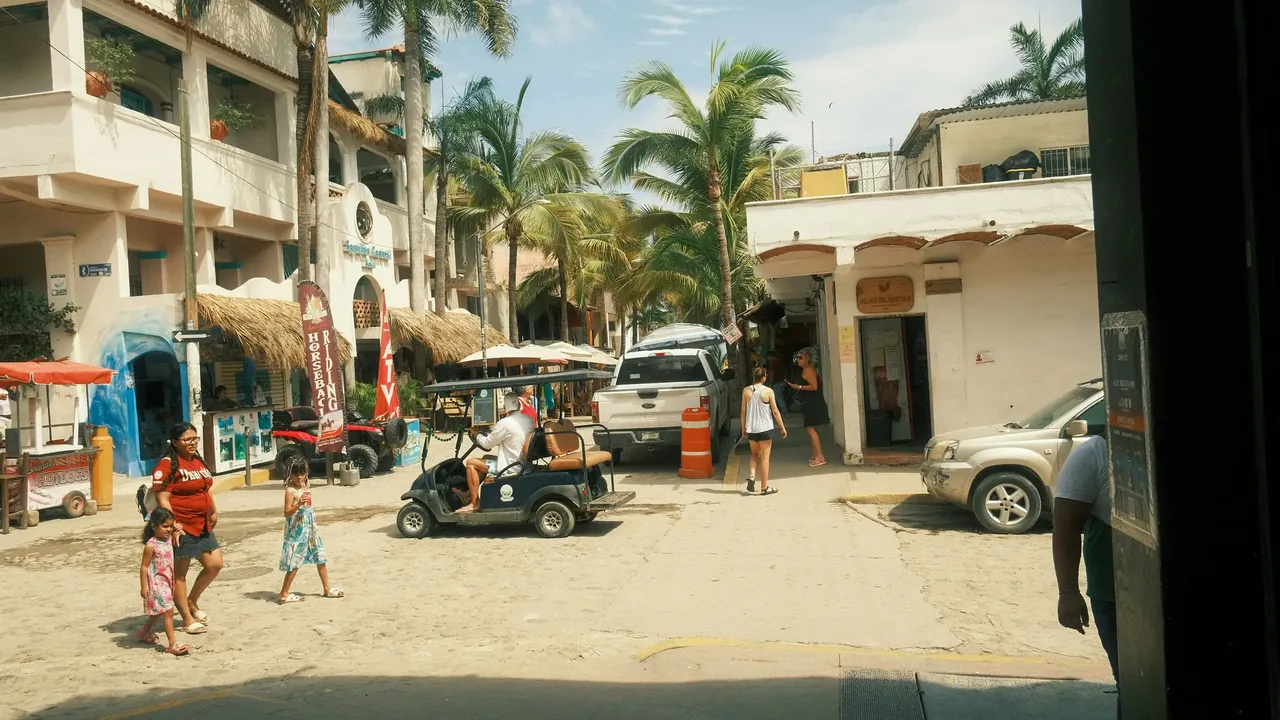
Sayulita, 20 minutes north of Punta Mita, is a colorful surf town with a completely different energy: independent restaurants, surf shops, boutiques, and a beach that's both beautiful and swimmable for non-surfers. It's one of the best solo traveler day trips from Punta Mita: easy to get to (taxi or local bus), safe, very walkable, and excellent for lunch and an afternoon at the beach. The town has a strong expat and digital nomad community, which makes it easy to meet people as a solo traveler.
Puerto Vallarta, where you'll likely fly in, is worth an afternoon of its own rather than just a transit stop. Gringo Gulch, the hillside neighborhood above the Malecón, is where Elizabeth Taylor and Richard Burton lived during filming of The Night of the Iguana in the 1960s; Casa Kimberly, their former house, is open to visit. Down at the water, Conchas Chinas is a quieter beach than the main Zona Romántica strip, with a rockier shoreline and clearer water, a good stop if you have a few hours before or after a flight.
Humpback Whales: September's Surprise
Banderas Bay is one of the most important humpback whale breeding grounds in the Pacific. The main season runs December through March. September is technically early, but blue whales and some humpbacks do pass through. Local boat tour operators offer whale-watching trips; worth checking when you arrive. The Islas Marietas (an uninhabited national park offshore) also has excellent snorkeling and nesting blue-footed boobies, accessible by day tour and completely solo-friendly.
Paddleboards and the Marietas
My days settled into a gentle pattern, most of them spent stand-up paddleboarding right in front of the hotel. The one big outing was a boat tour to Islas Marietas National Park, the protected islands offshore.
One unexpected local detail: I was told there's a good dentist not far from the hotel, and it seemed everyone was going there.
Practical Info for Your Trip
- Best time to visit: November–April (dry season, peak whale season). September for low season rates and good surf.
- Getting there: Fly into Puerto Vallarta (PVR); 45-minute taxi or Uber to Punta Mita.
- Currency: Mexican Peso (MXN). Resort properties accept cards and USD; local shops prefer pesos.
- Where to stay: Four Seasons Punta Mita for luxury; W Punta de Mita for a more social atmosphere. Smaller boutique hotels in the area offer mid-range options.
- Solo safety rating: Very high in the Punta Mita resort area and Sayulita.
Where to go next
What the official advice says
Nayarit, Level 2: Exercise increased caution (Terrorism, Crime)
No specific travel restrictions apply to US government employees in Nayarit.
Source: U.S. Department of State, issued May 2026. Checked 16 August 2026. Advisory levels change, so check the source before you book.
Common questions
Is Punta Mita safe for solo travelers?
Punta Mita is in Nayarit, whose US advisory entry has carried no travel restrictions anywhere in the state. The usual Mexico rules apply and are stricter than most guides say: use ride-share apps or authorized taxi stands rather than hailing on the street, and keep an eye on your drink in resort bars.
Puerto Vallarta airport is in Jalisco. Should its advisory worry me?
No, and this trips up a lot of people. The State Department has named Puerto Vallarta and the neighbouring Riviera Nayarit as areas with no travel restrictions, despite Jalisco's more serious state-wide rating. That rating reflects conditions in other parts of a large state, not the airport corridor you will actually use.
When is the best time to visit Punta Mita?
November to April for dry season and humpback whales. September is the contrarian pick: low-season rates and the best surf of the year, at the cost of heat, humidity and some hurricane risk.
How do you get to Punta Mita?
Fly into Puerto Vallarta (PVR), then roughly 45 minutes north by taxi or Uber. Book the ride through an app or an authorised stand at the airport rather than accepting an offer in the arrivals hall.