Isla Holbox Solo Travel: Is It Safe, and What to Expect
A tiny car-free island off the Yucatán coast: bioluminescent water, whale sharks in season, and sand streets instead of roads.

Quick facts
- Region
- Yucatán Peninsula, Mexico
- Whale Shark Season
- June–September
- Typical temperature
- ~28°C / 82°F year-round
- Nearest Airport
- Cancún (CUN) + bus + ferry
- Budget
- Budget to mid-range
- Solo safety
- Excellent
- Key Rule
- No ATMs, bring cash
- Don't Miss
- Bioluminescent lagoon at night
- Sargassum Risk
- Low (Gulf-facing)
My trip
- Visited
- May 2023
- Length
- A weekend
- Stayed
- Villas HM Palapas del Mar
- Got around by
- Bus to Chiquilá + ferry
- Travel style
- Budget to mid-range
Region: Yucatán Peninsula, Mexico · Best for: Off-grid travelers, whale shark swimmers, anyone needing to completely decompress
Holbox is the kind of escape that works even as a weekend. I slipped over during my month in Cancún (one bus, one boat, done) and stayed at Villas HM Palapas del Mar, on an island with sand for streets and no cars at all.
Short answer: Holbox is safe for solo travelers and about as low-friction as Mexico gets: no cars, sand streets, and everything walkable or reachable by golf cart. You get there by ferry from Chiquilá. Bring cash and mosquito repellent, and don't count on ATMs.
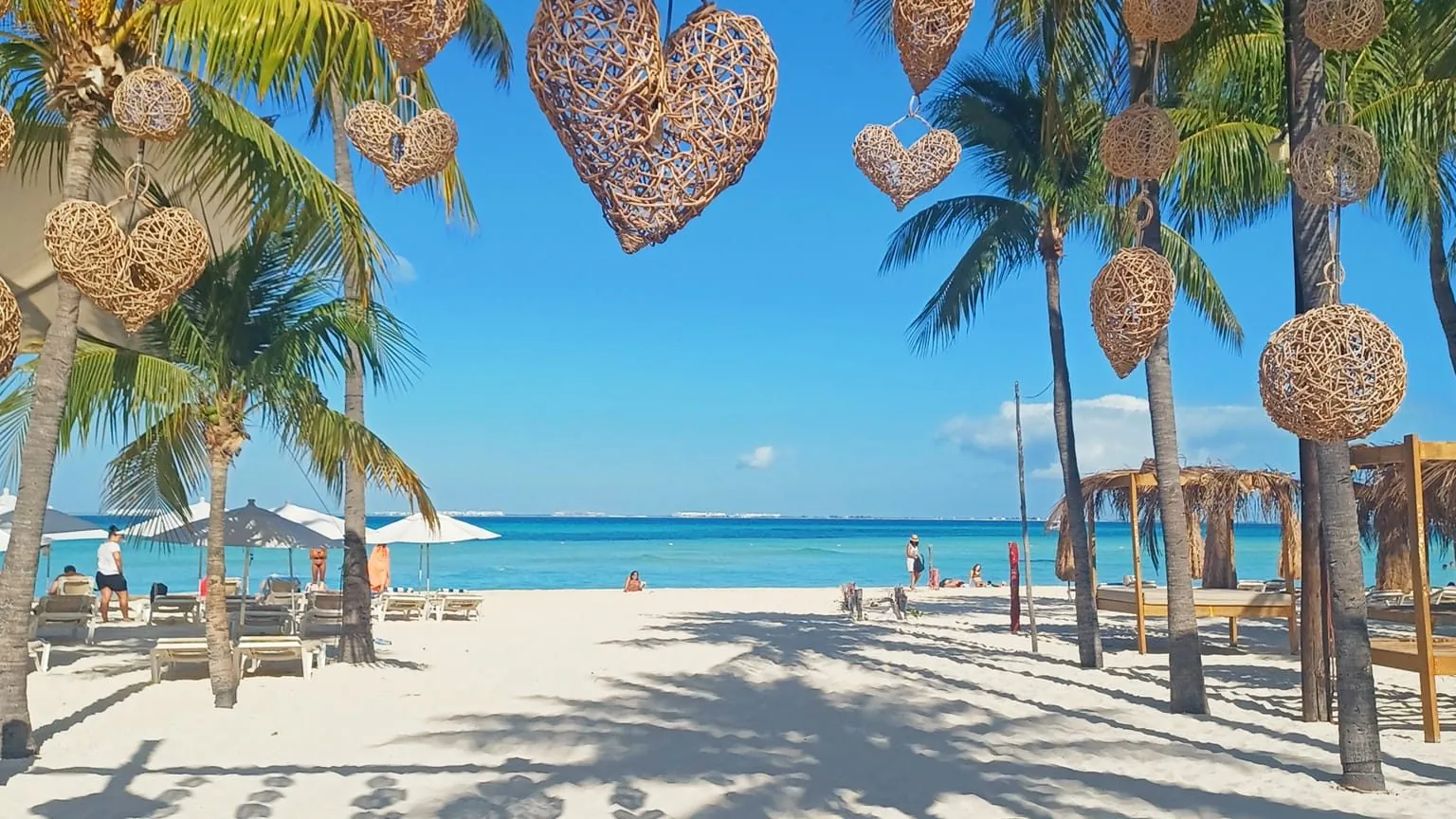
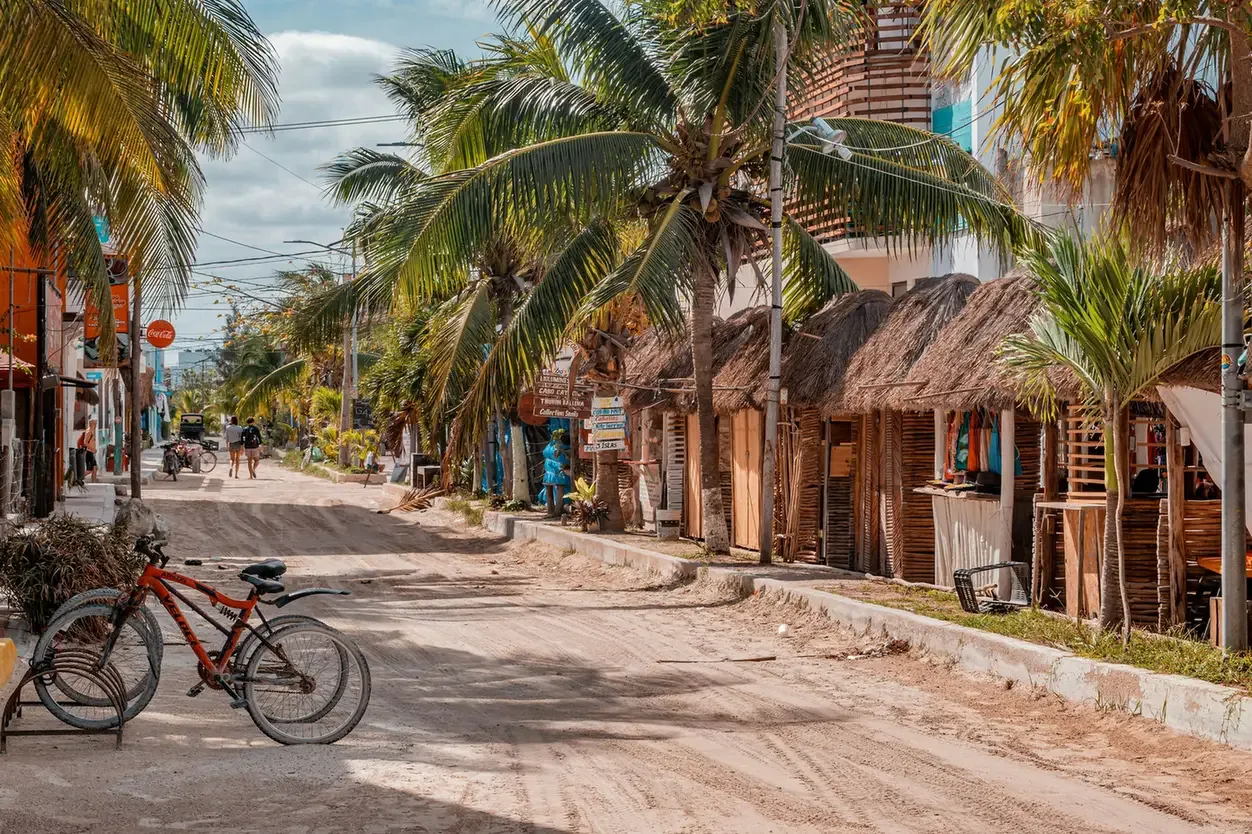
Holbox (pronounced hol-BOSH) is a small island at the northern tip of the Yucatán Peninsula, separated from the mainland by a shallow lagoon. There are no paved roads, no cars, no banks. The streets are sand. The pace is resolutely slow. For a solo traveler who wants to completely switch off, Holbox is one of the best places in Mexico to do it. It's safe, beautiful, and small enough to feel like everyone looks out for each other.
Is Holbox Safe for Solo Travelers?
An honest answer needs a caveat first: US travel advisories for Mexico are issued at state level, and Holbox doesn't get its own rating. The island is part of Quintana Roo, rated Level 2, Exercise increased caution (as of May 2026), the same as Cancún and Tulum. That rating is driven by the state's mainland tourist corridors, not by a car-free sandbar of a few thousand people. But no official source certifies Holbox specifically as safer, and any guide that tells you otherwise is offering an opinion dressed as a fact.
What can be said without a source is what the island's physical setup does to risk. There are no cars, the streets are sand, the permanent population is small, and almost nowhere is more than a short walk from somewhere else. Petty theft is the realistic concern rather than anything more serious, and the usual precautions cover it.
The hazards most likely to actually affect your trip here are environmental, not criminal:
- Mosquitoes. Persistent, and worst around the lagoon at dusk. Bring repellent that works rather than buying it on the island at a markup.
- Sun and no shade. The sandbar is flat and exposed, and the walk to the north beaches is longer than it looks.
- Sargassum and jellyfish, both seasonal and both variable year to year.
- Cash. ATMs are limited and run dry, particularly at weekends and in high season. Bring pesos from the mainland rather than assuming you can withdraw on arrival.
Mexico's tourist assistance line is 078 and emergencies are 911, though response times on an island reached only by ferry are not what they are in Cancún. Check the current Quintana Roo advisory before booking.
Whale Sharks: The Main Event (June–September)
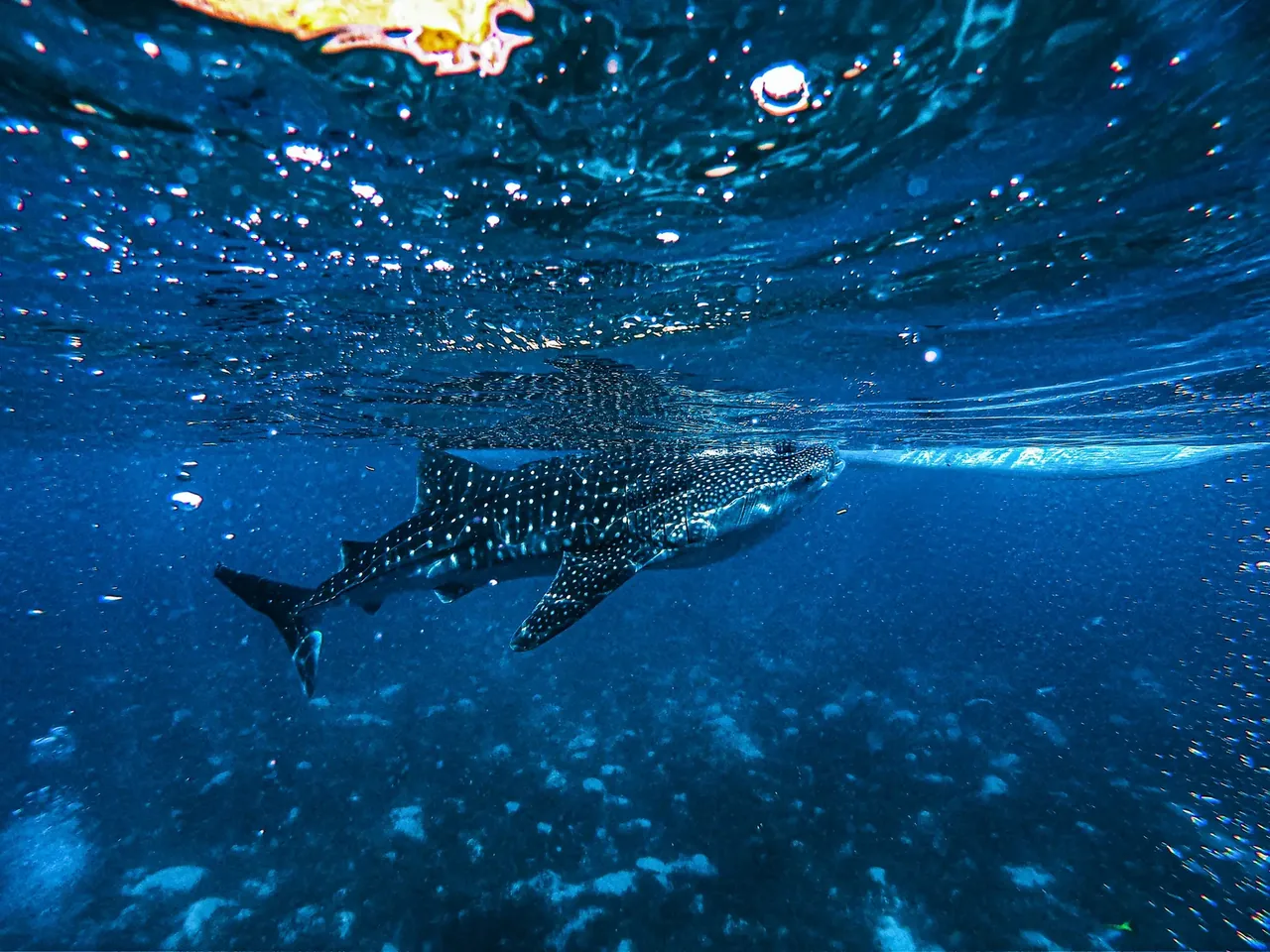
Between June and September, whale sharks gather in large numbers in the waters around Holbox to feed on fish spawn, and Holbox is one of the best places in the world to swim with them. Snorkeling tours depart daily during this window; you go in the water with fins and a guide while the boat idles nearby. The experience of being in the water with the world's largest fish, which is completely harmless (filter feeder, no teeth), is impossible to describe adequately. Book your tour through your accommodation or a licensed operator. Regulations are in place to protect the sharks and responsible operators enforce them.
The Bioluminescent Lagoon
Tiny dinoflagellates in the water light up when disturbed, turning any movement into blue-green light. It's the reason a lot of people come here, and it's also the thing most likely to disappoint, because it depends on two variables, and only one of them is under your control.
The moon is the one that matters. Near a full moon the reflected light washes the glow out completely, to the point that operators often don't run tours in the days either side of one. Around a new moon, on a clear night, it's extraordinary. Check the lunar calendar before you book your dates, not after. This is the single most useful sentence on this page: a Holbox trip planned around a full moon will not deliver the thing you came for, and no tour operator can fix that.
The season is the second variable. It's visible year round but strongest roughly June to September, when the water is warmest, which conveniently overlaps whale shark season. Calm, windless nights are better; wind breaks the water up and scatters the effect.
Where to go. Punta Cocos, on the island's western tip, is the accessible spot, about a mile from town, 20 to 30 minutes on foot or ten minutes by golf cart, and far enough from the town lights to be properly dark. Punta Mosquito on the northeast is darker still but tide-dependent and generally reached by boat or on a kayak tour. The town beach works on a genuinely moonless night but light spill from the bars cuts it down.
Best window is roughly 9pm to midnight.
Doing it alone. You don't need a tour to see it. Punta Cocos is walkable and the glow needs nothing but you wading into shallow water. But be honest about what that walk involves at 10pm: unlit sand, no phone signal worth relying on, streets that flood into mud after rain, and nobody knowing where you are. A golf cart taxi that drops you and waits is the sensible solo version, and it costs very little. If you'd rather have company, book a kayak tour. The group format is easy to join alone and the kayak takes you somewhere darker than you can walk to.
Two things nobody tells you. Bring a torch for the walk and then turn it off; your eyes need fifteen minutes to adjust and the glow only appears once they have. And the mosquitoes at Punta Cocos after dark are genuinely vicious, but if you're going in the water, repellent and sunscreen wash off and harm the organisms you came to see. Cover up with long sleeves and trousers for the walk instead of spraying yourself, then take them off at the water.
The Island Itself: How to Spend Your Days
Rent a golf cart (the main transport on Holbox) and explore the island's beaches and flamingo-inhabited lagoons. Punta Mosquito on the eastern tip has the island's most spectacular sunset view and a resident flamingo flock. The main beach in town is beautiful and calm: good for swimming, hammock time, and the freshest fish tacos you'll eat in Mexico. Golden Paradise Beach, a stretch on the town side, is a good pick if you want beach clubs and loungers rather than an empty patch of sand. The Refugio Animal Holbox is a dog rescue where you can volunteer to walk animals along the beach, a lovely way to spend a morning solo.
A Dog and a Dance Floor
The highlight of my weekend was Refugio Animal Holbox, the island's animal shelter, where I got myself a dog to walk. Good people run this place, so if you can support them with whatever you can, please do. At night, everyone heads to the Hot Corner, where people dance in the streets, and the vibe is amazing.
Getting to Holbox
From Cancún: bus or car to Chiquilá (2.5–3 hours), then a 20-minute ferry to the island. Ferries run frequently throughout the day. Leave your car in the paid parking lot in Chiquilá. Cars aren't allowed on Holbox anyway. The ADO bus from Cancún bus terminal to Chiquilá is the easiest option if you're not renting a car.
Practical Info for Your Trip
- Best time to visit: June–September for whale sharks and bioluminescence. December–March for calmer, drier weather without the whale sharks.
- Cash only: There are no ATMs on Holbox. Bring enough cash from the mainland for your entire stay plus extra.
- Mosquitoes: Significant, especially at dawn and dusk. DEET repellent is not optional.
- Official advisory: Holbox falls under Quintana Roo's rating, Level 2, Exercise increased caution (as of May 2026). It's a car-free island well away from the mainland resort corridor where most of the state's flagged incidents occur.
Where to go next
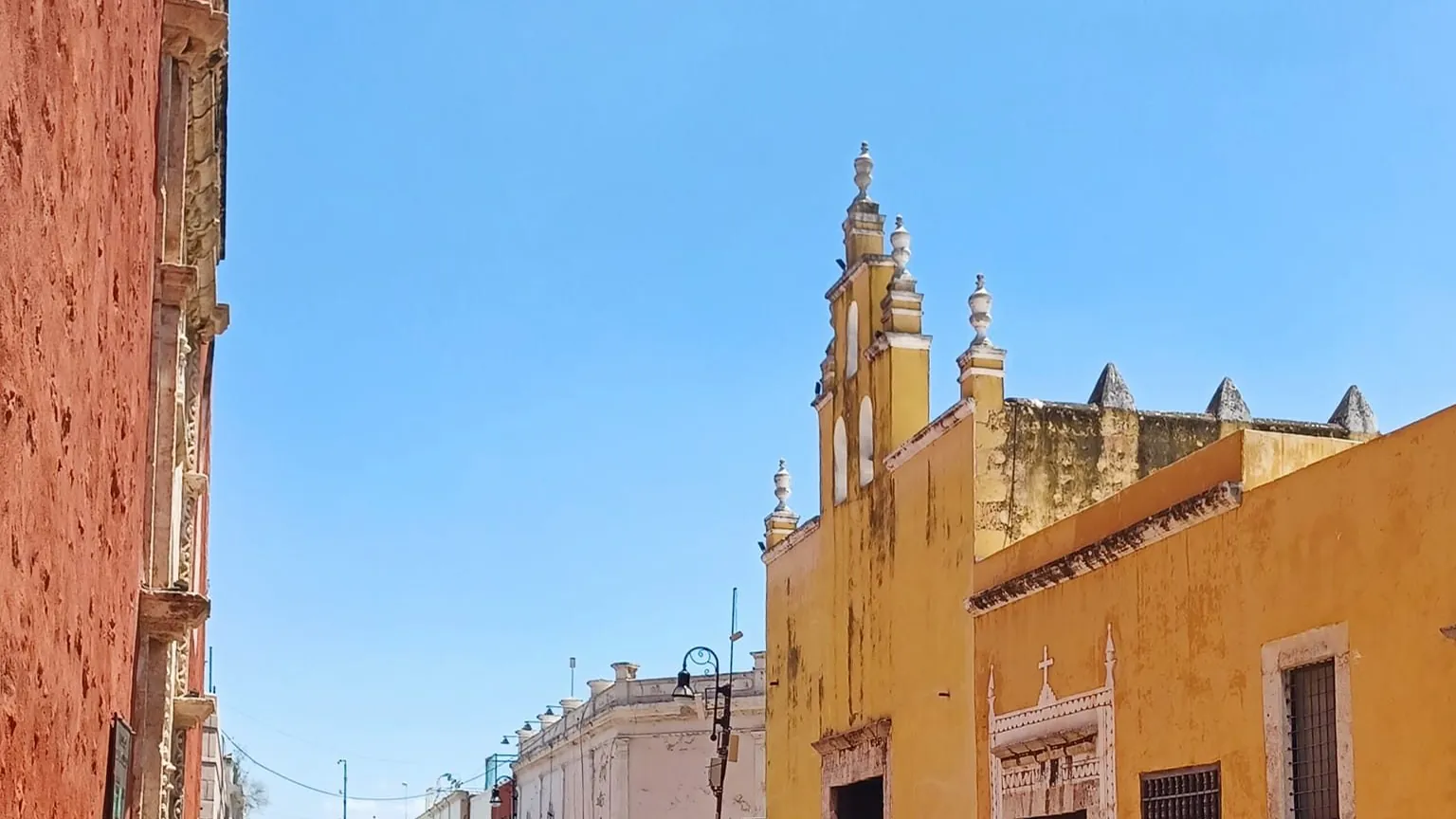
- Mérida, the natural pairing, and a different advisory level entirely.
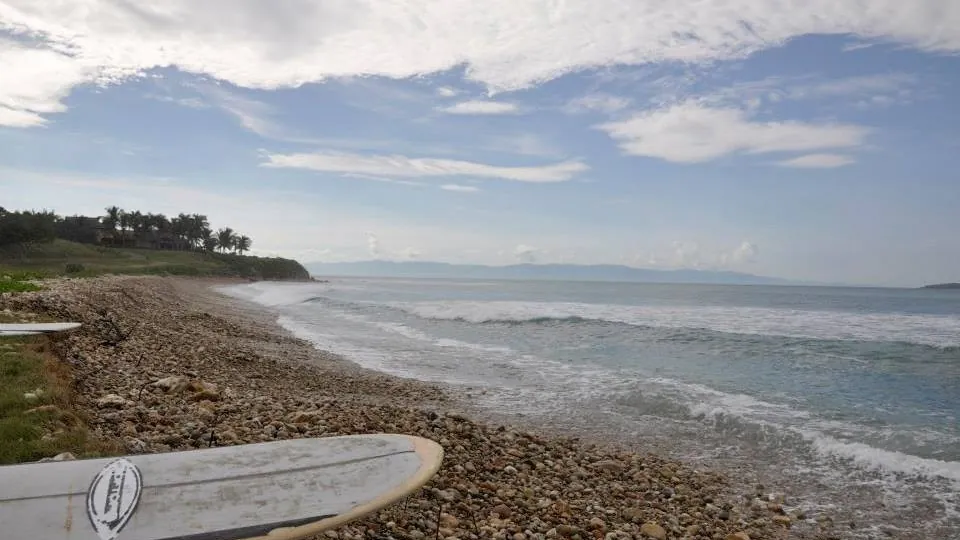
- Punta Mita, the Pacific version of a slow Mexican beach week.
What the official advice says
Quintana Roo, Level 2: Exercise increased caution (Terrorism, Crime)
State notes that shootings between rival gangs have injured and killed bystanders, and advises staying in well-lit pedestrian and tourist areas after dark.
Source: U.S. Department of State, issued May 2026. Checked 16 August 2026. Advisory levels change, so check the source before you book.
Common questions
Is Holbox safe for solo travelers?
There is no island-specific rating; Holbox falls under Quintana Roo's US advisory, which is driven mainly by the mainland tourist corridors. The island is car-free, small and walkable, so petty theft is the realistic concern. Plan more around mosquitoes, sun exposure and the lack of ATMs than around crime.
When is the best time to visit Holbox?
June to September if you want whale sharks and bioluminescence, which are the two things people fly in for. December to March trades both away for drier, calmer weather and fewer people.
Do I need cash on Holbox?
Yes, and more than you would expect. ATMs on the island are few and regularly run empty at weekends and in high season. Withdraw pesos on the mainland before you take the ferry rather than planning to sort it out on arrival.