Solo Travel Guide to Maui, Hawaii
One of the most beautiful places in the US and one of the most expensive. Here's how to make a solo Maui trip worth the airfare.
Quick facts
- Region
- Maui, Hawaii, USA
- Best months
- April–May or Sept–Oct
- Typical temperature
- ~28°C / 82°F
- Airport
- Kahului (OGG)
- Budget
- Expensive, plan ahead
- Solo Safety
- Excellent
- Must Do
- Road to Hana
- Wildlife
- Humpback whales Nov–May
- Best Beach
- Kaanapali or Hamoa
My trip
- Visited
- August 2022
- Length
- A week to ten days
- Stayed
- Camp Olowalu (camping)
- Travel style
- Expensive, plan ahead
Maui is at its most alive outdoors, so that's where I slept: camping at Camp Olowalu on the west side, under the stars.
Maui is one of the most naturally diverse places I've traveled within the US. In a single day you can go from lush rainforest to volcanic desert to white-sand beach. It's also one of the most comfortable solo travel destinations anywhere: English-speaking, US infrastructure, well-organized tourism, and a culture that's warm and non-threatening to people traveling alone.
Before You Plan: Lahaina
The August 2023 wildfire destroyed most of historic Lahaina town and killed over a hundred people. Recovery has been long and uneven, so check what's open before you plan around West Maui.
Two things follow from that. Check current access and business status directly rather than relying on any guide, including this one, older itineraries still circulate listing places that no longer exist. And treat the burn zone as what it is: a place where people died and residents still live. It is not a sight to visit.
Tourism is central to Maui's economy and Hawai'i officials have asked visitors to keep coming to the island. Coming respectfully means spending in local businesses, and not treating a disaster site as an attraction.
Is Maui Safe for Solo Travelers?
Maui is a US state, so there's no advisory to check and the legal and medical infrastructure is what you're used to. The risks here are environmental, and they're more serious than Maui's resort image suggests.
The ocean is the thing that actually kills visitors in Hawai'i. Drowning is a leading cause of visitor death across the islands, and the pattern is consistent: people who swim well in pools underestimate open ocean, unpatrolled beaches, and surf that changes with the season. North shore breaks that are calm in summer are dangerous in winter. For a solo traveller the compounding factor is obvious. Nobody on the beach knows you went in.
Swim at lifeguarded beaches. That single rule removes most of the risk, and it is worth reorganising a day around.
Hiking alone is the other one. Trails here run through terrain where you can lose phone signal quickly, flash floods hit valleys without warning, and rescue takes time. Tell someone your route and expected return before you go: a hostel desk, an accommodation host, anyone.
The Road to Hana is 620 curves and 59 bridges, many of them single-lane. It demands your full attention for hours, and driving it alone means no second pair of eyes and nobody to swap with. Start early, don't rush it, and don't attempt it on your arrival day.
Sleeping Under the Stars
I camped at Camp Olowalu and slept under the stars, and it was unforgettable. One lesson learned the hard way: don't leave anything on the ground overnight. I did, and when I woke up, my water bottle and my bag were in the water.
The Day the Shark Came
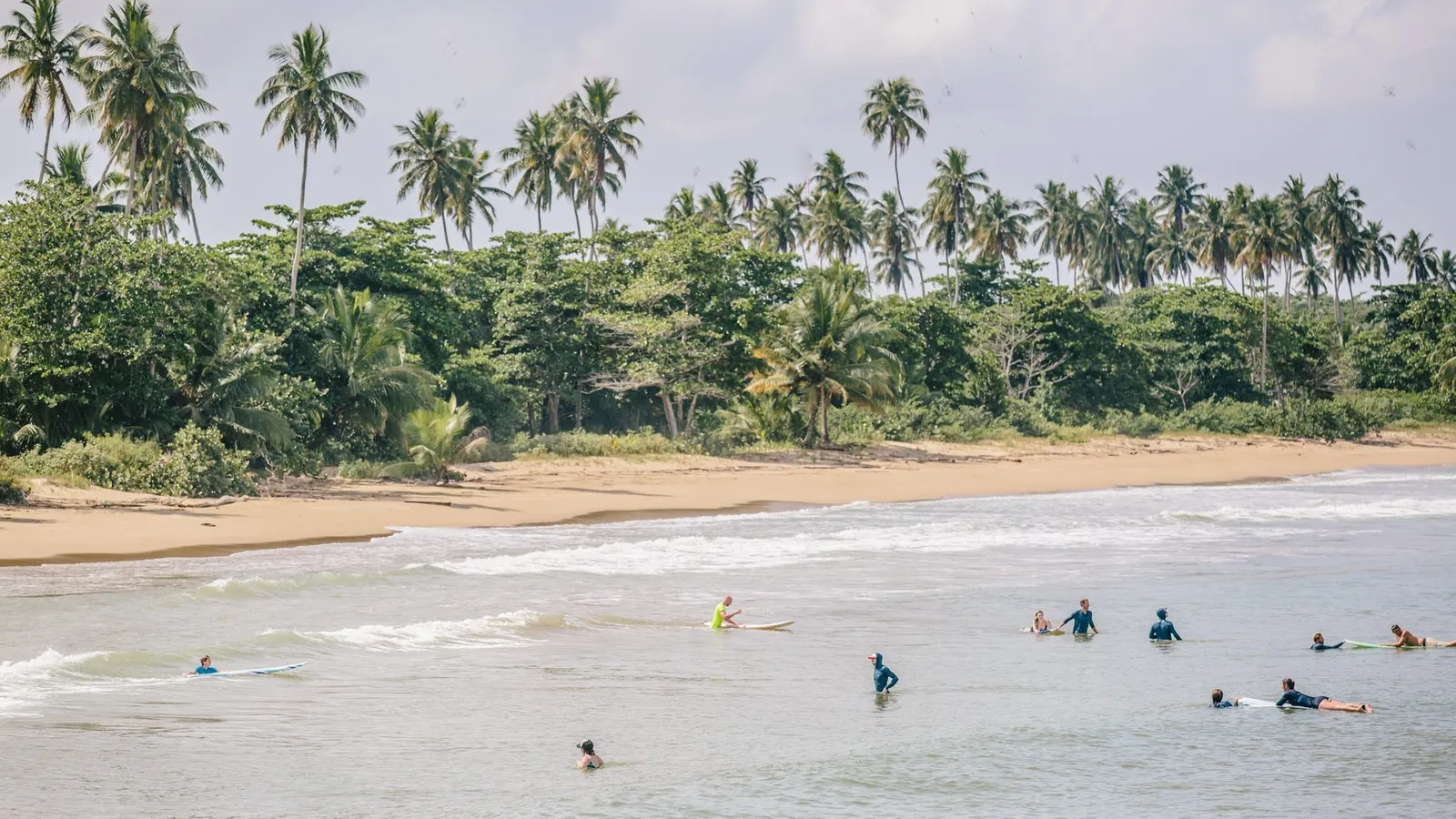
Surfing on Maui was everything I'd hoped it would be. On the last day of the trip I went out on the water with a group of people, and once we were well offshore, the person leading us pointed out a sea turtle drifting about ten feet away. We were still watching it when a fin broke the surface beside it. A tiger shark took the turtle in one movement, and then the water was calm again, as if nothing had happened.
We all paddled back to shore as fast as we possibly could. It had taken us 45 minutes to paddle out; it took about seven to get back. World-record-level paddling. Thankfully it was the last day of the trip, and I didn't go back in the water before I left.
The Road to Hana: Maui's Most Famous Drive
The Road to Hana is a 64-mile drive along Maui's northeast coast with over 600 curves and 59 bridges, and some of the most spectacular scenery in Hawaii. Waterfalls, black sand beaches, bamboo forests, and cliff-top viewpoints follow one after another. Allow a full day if you want to stop and explore rather than just drive through.
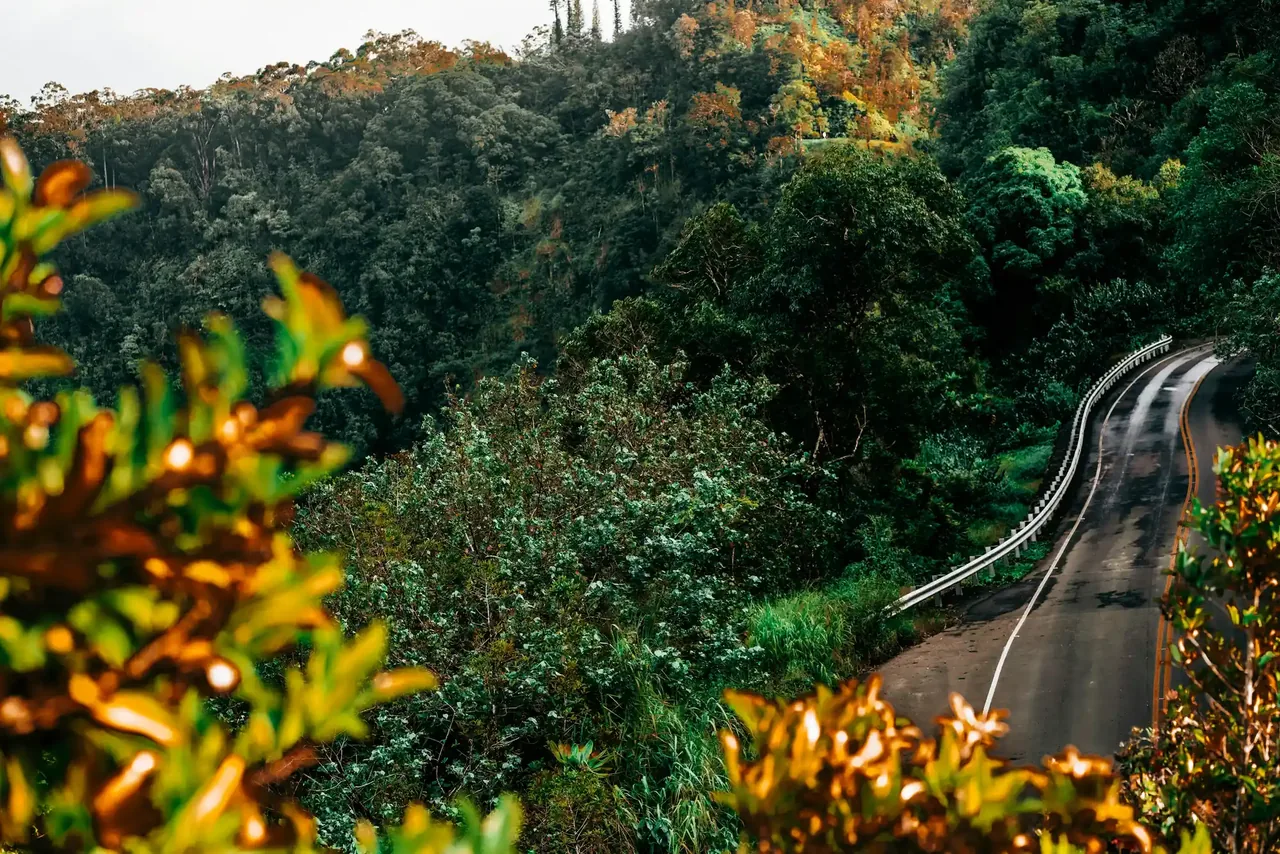
As a solo driver, a few practical notes: start early (before 7am) to beat the traffic, download offline maps because cell service disappears in stretches, bring food and water since options are limited, and decide before you go whether you're doing the full loop past Hana or turning back. The road past Hana on the south side is rougher, check your rental agreement before continuing.
Haleakalā: Sunrise Above the Clouds
Haleakalā is Maui's dormant volcano, and the summit sits at 10,023 feet. Sunrise from the crater rim, above the cloud layer, is the experience Maui is famous for, and it is the single most likely thing on this island to go wrong through poor planning, so this section is mostly logistics.
Every vehicle entering the summit area between 3am and 7am needs a booked reservation. This has been the case since 2017. Tickets are not sold at the entrance station, not by phone, and not on the day. Turning up without one means being turned around at 3.30am after an hour of driving in the dark.
How the booking actually works, through Recreation.gov, and the timings matter:
- Reservations open well in advance, and popular dates can sell out within minutes.
- A second, smaller batch has been released shortly before each date. Most people don't know about it, and it's the best fallback.
- There's a small per-vehicle reservation fee on top of the park entrance fee.
- Bring a printed copy plus photo ID matching the booking name.
Three genuinely good alternatives if you can't get one, because missing out is not the disaster it feels like:
- Sunset. Just as spectacular from the same summit, thinner crowds, and no reservation system at all. The only real drawback is driving down a dark mountain road afterwards.
- After 7am. No reservation needed, the crater light is still extraordinary, and it's considerably warmer.
- A guided tour. Operators hold NPS permits separate from the public pool, so tours often have space when Recreation.gov doesn't.
Two things that catch solo travellers specifically. The drive is roughly two to three hours from the coast starting at 2–3am on a winding mountain road, alone, in the dark, with nobody to share it. If that sounds like a bad idea after a long flight, it probably is, and it's the strongest argument for taking a tour here rather than anywhere else on the island.
And altitude is a real factor: the summit is remote and emergency medical help is at least an hour away. Some people feel it badly at 10,000 feet. Going up alone at 4am is not the moment to discover you're one of them.
Dress for it. If it's 75°F at the beach, expect 35–45°F at the summit, plus wind chill. Your park pass is valid three days, so sunrise one morning and sunset another is entirely doable on one ticket.
Snorkeling: Molokini and Turtle Town
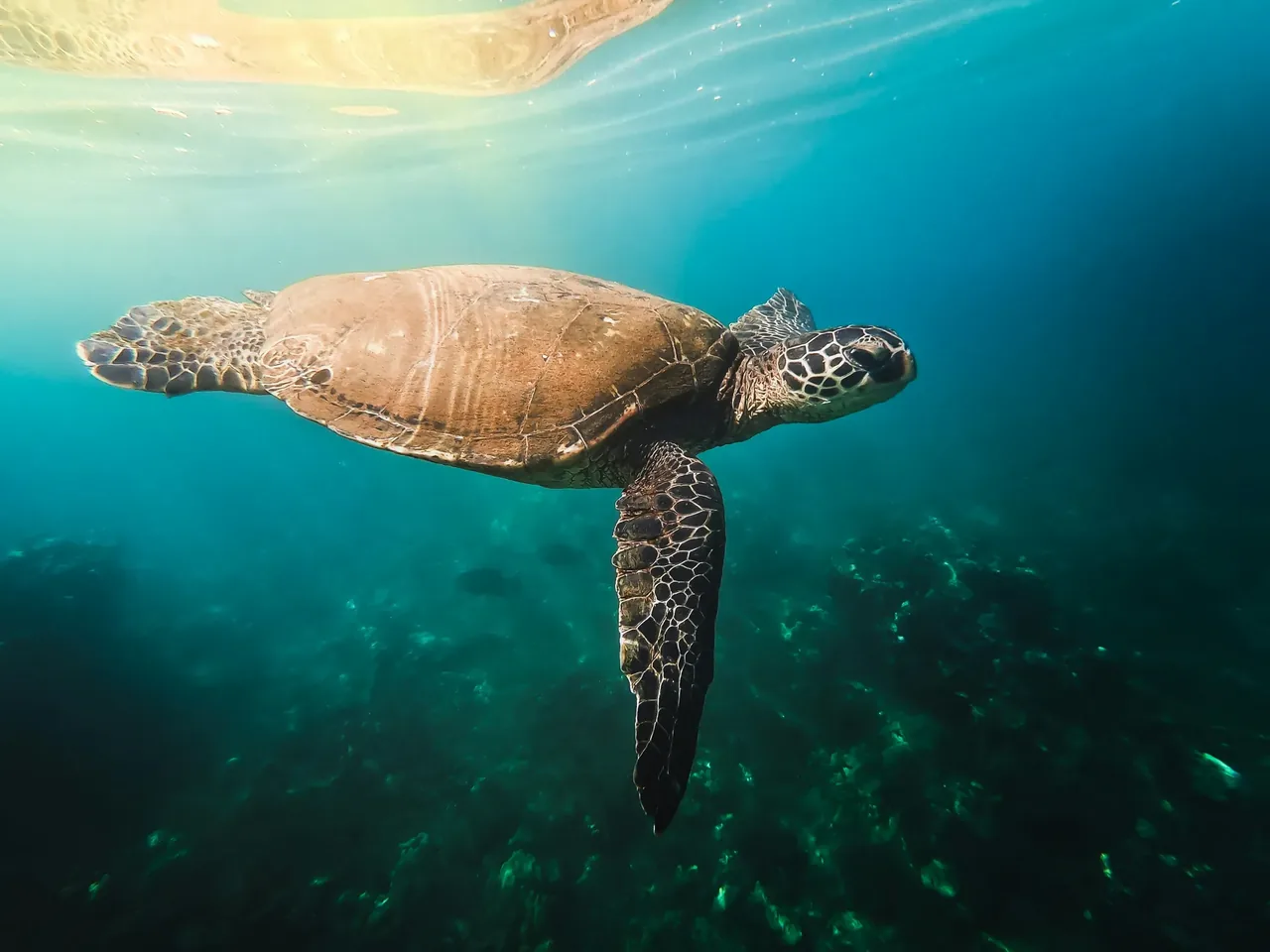
Molokini Crater is a partially submerged volcanic crater offshore from Maui with exceptional clarity, visibility often exceeds 30 meters and the marine life inside the crater is dense. Morning boat tours depart from Mā'alaea Harbor and most are suitable for solo travelers joining a group. Turtle Town near Maluaka Beach is another excellent snorkeling spot with near-guaranteed green sea turtle sightings accessible directly from shore.
Best Beaches for Solo Travelers
K&#amacr;āanapali Beach on the west coast is the classic Maui beach: long, calm, with beach chair rentals and good snorkeling at Black Rock. Waianapanapa State Park on the Road to Hana has a dramatic black sand beach (permit required, book online). Big Beach (Makēna) is beautiful and can have strong shore break, swim with awareness.
Practical Info for Your Trip
- Best time to visit: April–May or September–November for lower prices, smaller crowds, and good weather. October is excellent.
- Getting around: Rental car is essential. Maui has no meaningful public transport for tourists. Book early; rental cars sell out and prices spike.
- Where to stay: West Maui or Wailea for beach access and central location. Respect any closures related to fire recovery.
- Currency: USD. Cards accepted everywhere.
- Solo safety rating: Excellent. One of the easiest and most comfortable solo destinations on this site.
Where to go next
- Key West, the other end-of-the-road US island trip.
- the road trip packing list, since the Road to Hana is most of why you rent a car here.
What the official advice says
No State Department advisory applies to domestic US destinations. Crime figures come from the FBI's Uniform Crime Reporting programme and local police departments.
Source: U.S. Department of State. Checked 16 August 2026. Advisory levels change, so check the source before you book.
Common questions
Can you visit Lahaina after the 2023 wildfire?
Much of historic Lahaina town was destroyed in the 2023 fire, and recovery has been long. Check current access and which businesses are open directly rather than trusting older guides, and do not treat the burn area as a sight to go and look at.
Is Maui safe for solo travelers?
As a US state it carries no travel advisory, and the risks are environmental rather than social. Drowning is a leading cause of visitor death in Hawaii, and swimming alone at an unpatrolled beach is the single most dangerous thing most visitors do. Stick to lifeguarded beaches.
Is it safe to hike alone on Maui?
With preparation. Signal drops fast, flash floods hit valleys with no warning, and rescue is slow in remote terrain. Tell someone your route and your expected return time before you set off. An accommodation host will do.
Should I drive the Road to Hana alone?
You can, but respect it. It is 620 curves and 59 bridges, many single-lane, and it needs constant concentration with no one to share the driving. Start early, allow the whole day, and do not do it jetlagged on your arrival day.