Rincón, Puerto Rico: Solo Travel and Surf Guide
Puerto Rico's surf capital: laid-back, walkable, no passport needed for Americans, and one of the friendliest places to land alone.
Quick facts
- Region
- Rincón, Puerto Rico, USA
- Best months
- Nov–March
- Typical temperature
- ~28°C / 82°F
- Nearest Airport
- Aguadilla (BQN), 20 min
- Budget
- Budget to mid-range
- Solo Safety
- Excellent
- Best For
- Surfing Dec–Feb
- Wildlife
- Humpback whales Dec–March
- Vibe
- Laid-back surf town
My trip
- Visited
- July 2024
- Length
- A week to ten days
- Stayed
- El Mirador Villa, Rincón
- Travel style
- Budget to mid-range
Rincón is surf country, the far west corner of Puerto Rico where the waves set the schedule. I stayed at El Mirador Villa, and since it's Puerto Rico, there's no passport hassle for Americans.
Rincón is on Puerto Rico's west coast, facing the Mona Passage, and it has built its identity around surf culture in a way that feels organic rather than manufactured. The town is small, colorful, and genuinely relaxed: a bohemian beach community with good food, beautiful sunsets, and an international community of surfers and expats that makes solo travel completely comfortable. November marks the beginning of the surf season and the start of the window for humpback whale sightings.
Is Rincón Safe for Solo Travelers?
Puerto Rico is a US territory, which removes a whole category of friction for American travellers: no passport, no advisory to check, phone plans work as domestic, US dollars, and the same legal and medical framework as any state. For a first solo trip abroad-that-isn't-abroad, that combination is hard to beat.
Rincón itself is a small surf town with a settled expat and surf community, and solo travellers arriving alone are entirely normal here. The realistic risks are opportunistic. Don't leave valuables in a parked car at a beach access point, which is the single most common way visitors lose things on this coast.
The surf is the actual hazard, and Rincón's reputation makes it worse rather than better. This is Puerto Rico's serious wave town, the winter swell that draws surfers here from November through March produces conditions that are genuinely dangerous for swimmers, with strong rip currents and shore break at beaches that look benign in summer photographs. Most beaches have no lifeguard.
If you're learning, take a lesson rather than paddling out on your own assessment of the conditions. If you're swimming, do it in summer and do it where other people are.
Hurricane season runs June to November. Puerto Rico's grid has been fragile since Maria and outages are still a routine part of life rather than an emergency, a power bank and a torch belong in your bag regardless of the forecast.
Surfing: From Beginner to Advanced
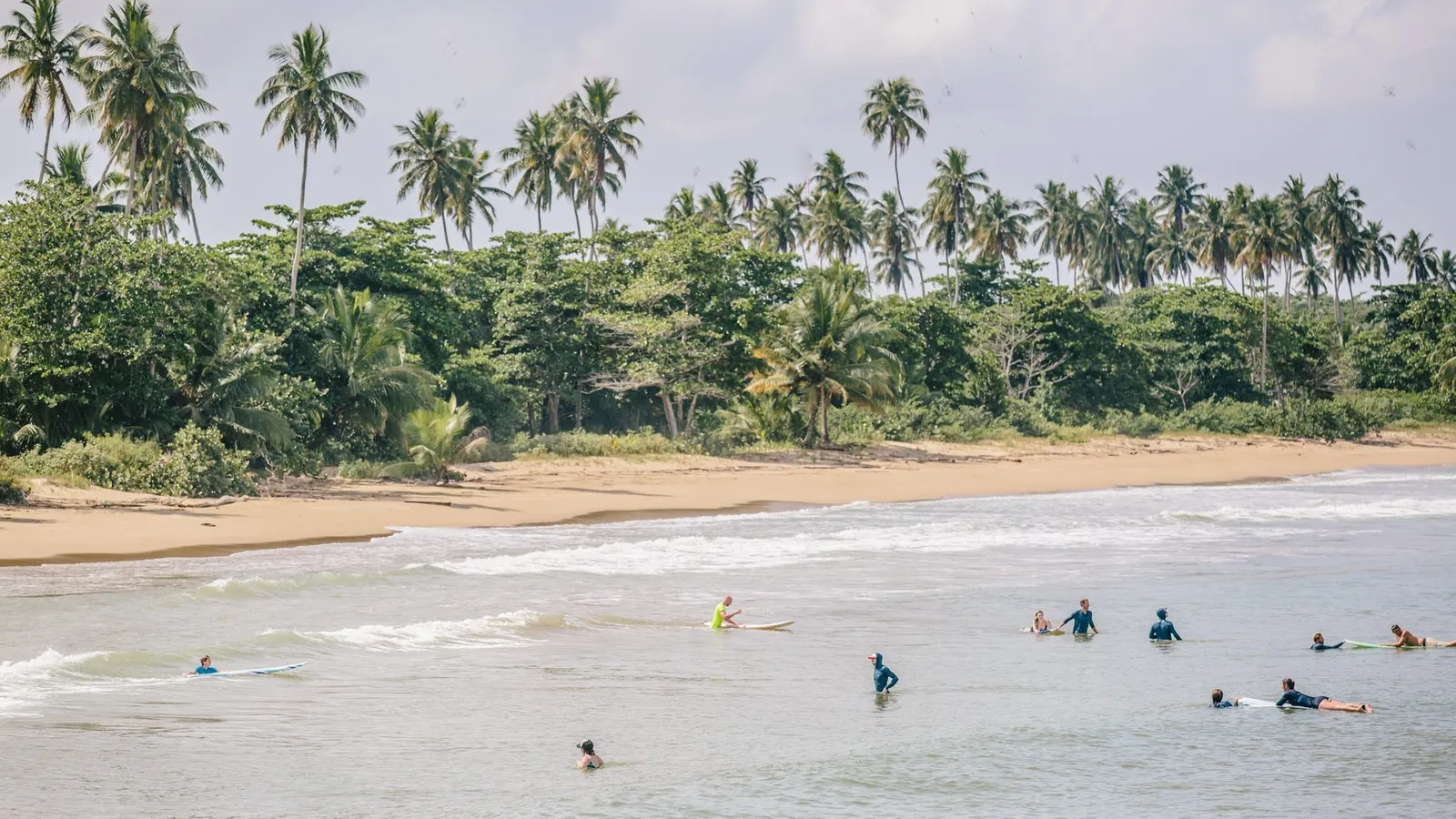
Rincón has been the Caribbean's surf capital since it hosted the 1968 World Surfing Championship, and the reputation is earned. The breaks here run from gentle to genuinely serious within a few kilometres of coast.
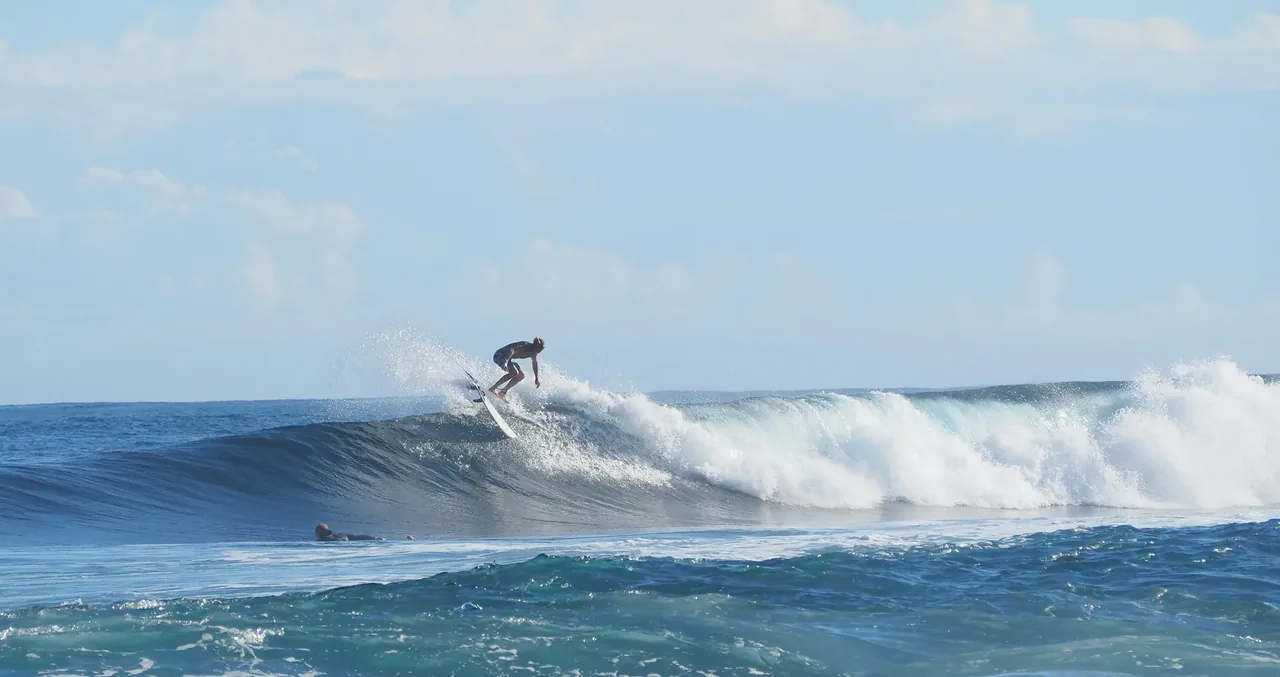
Dogman's and Sandy Beach are the softer ones and where the schools take beginners and intermediates. Maria's Beach is the centre of the scene and hosts pro-circuit events through the winter. Domes (named for the disused nuclear reactor dome beside it, which is not a joke) is a powerful, fast break that regularly runs well overhead in winter and is not a swimming beach. Tres Palmas is the big-wave spot and is for people who already know that about themselves.
If your skills are advanced, Playa Tres Palmas is the place to paddle out, and the world-famous Wilderness break is the other name you'll hear in town.
The season is the thing to plan around, and it cuts both ways. Winter swells from the North Atlantic run roughly December through March, which is when the surf is at its best and when the water is least suitable for casually swimming. Summer flattens out. Domes is nearly empty and the sea is calm. If you're coming to learn, that's an argument for the shoulder rather than the peak.
Water is warm year-round; no wetsuit. Surf schools run individual and small-group lessons, and taking one alone is the fastest way to meet people here. Everyone in the water is doing the same thing you are.
Humpback Whales: January to March
Humpbacks migrate through the Mona Passage to breed and calve, and Rincón sits right on the route. The reliable window is January through March; December can produce sightings but is early.
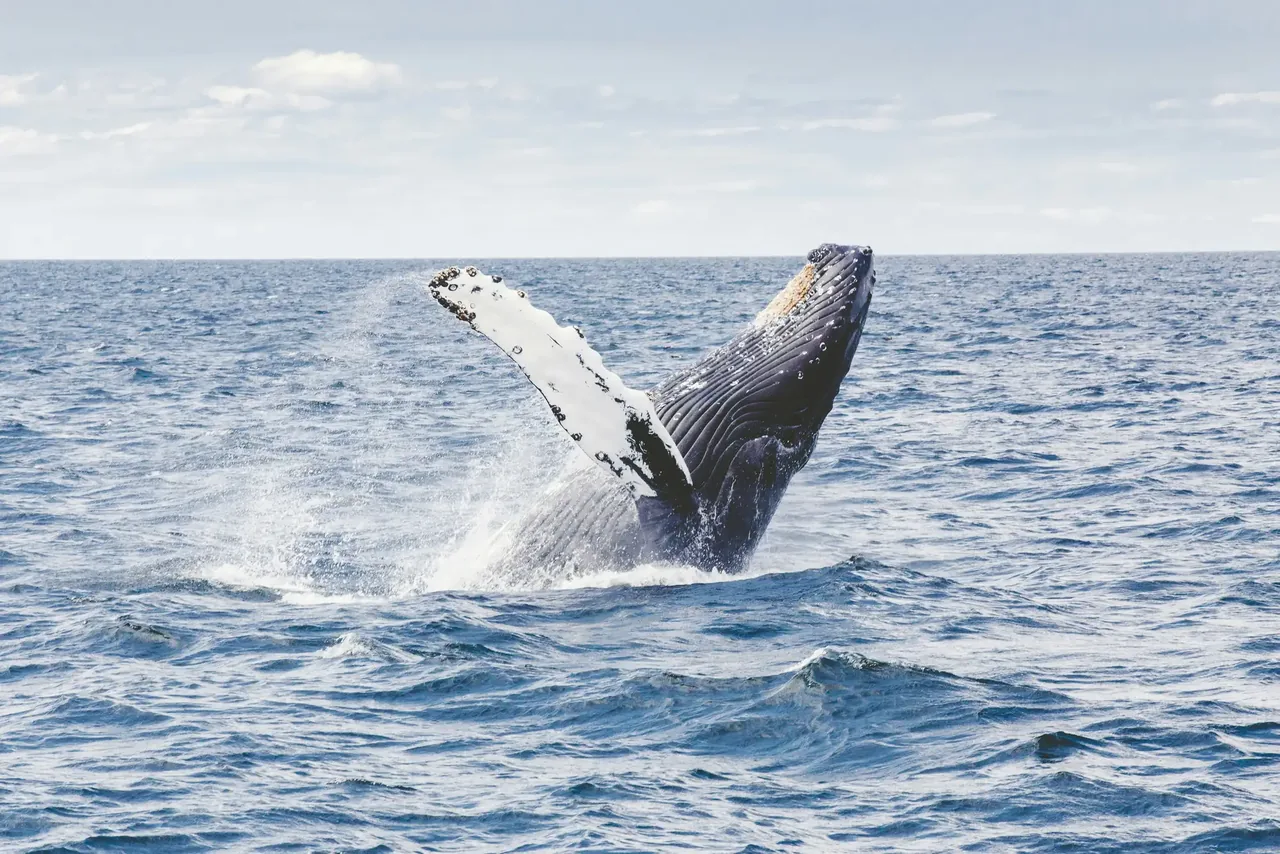
You do not need a boat. The best land-based vantage point is the Punta Higüera Lighthouse park, on the cliffs at the north end of town. There are telescopes, benches, and whales sometimes pass within a hundred yards of the shore. Domes and Maria's, right below it, work too. Whales are most active early morning and late afternoon.
That matters if you're travelling alone: shore-based watching is free, needs no booking, no minimum numbers, and no committing to three hours on a small boat with strangers. Bring binoculars, go at sunset, and you've combined the whales with the best view in town.
If you do want to go out, small operators run whale-focused trips and sunset sails from the marina in season. Book ahead in February, which is peak.
Where to Eat and Hang Out
Rincón's food scene punches above its size: a mix of local spots (fresh seafood, mofongo, fried snacks) and expat-run restaurants with good cocktails and ocean views. The main strip in town and the beachside restaurants near Sandy Beach are consistently good. For coffee and breakfast, Café Comunión and Bunny Spot are both solid, low-key spots to start the day before the beach. For a solo traveler, beach bars in the late afternoon are natural social environments: surfers, travelers, and expats all in the same place, easy conversations.
My own go-to was The Beach House, for drinks and dinner. In fairness to the rest, I'm not a big fan of Puerto Rican food, and I kept asking for guacamole at the local places.
A Day Trip South: Isabela and Cabo Rojo
If you have a car, which you should, the coast either side of Rincón is worth a full day on its own. North toward Isabela, Playa Jobos is a serious surf beach with a strong local scene and good food trucks along the road above it. South toward Cabo Rojo, Playa La Jungla and Buyé Beach are calmer, family-friendly stretches worth pairing with the lighthouse and salt flats further along the peninsula.
Practical Info for Your Trip
- Getting there: Fly into San Juan (SJU) and rent a car for the 2.5-hour drive west along the coast, or fly into Aguadilla (BQN), which is 30 minutes from Rincón.
- Getting around: A car is essential in Rincón. The beaches are spread across several kilometers and there's no meaningful public transport.
- Currency: USD (US territory).
- Best time to visit: November through March for surf and whale season. April through October is quieter and cheaper.
- Solo safety rating: Excellent.
Where to go next
- Vieques, the other end of Puerto Rico, and far stranger.
- the island comparison, for how Puerto Rico measures up regionally.
What the official advice says
Puerto Rico is a US territory, so no State Department travel advisory applies. Crime figures come from the Puerto Rico Police Bureau and the FBI's Uniform Crime Reporting programme instead.
Source: U.S. Department of State. Checked 16 August 2026. Advisory levels change, so check the source before you book.
Common questions
Is Rincón safe for solo travelers?
Puerto Rico is a US territory, so there is no advisory and the infrastructure is the same as any state. Rincon is a small surf town where arriving alone is normal. Theft from parked cars at beach access points is the realistic risk; the surf is the serious one.
Do Americans need a passport for Puerto Rico?
No. It is a US territory, so a government-issued photo ID is enough, phone plans work as domestic, and the currency is the US dollar. It is the easiest way to get an international-feeling trip without any of the international admin.
Can you swim at Rincón's beaches?
In summer, at beaches where other people are swimming, yes. From November to March the winter swell that makes Rincon a surf destination also makes it hazardous for swimmers, strong rips and heavy shore break, mostly with no lifeguard on duty.
How reliable is the power in Rincón?
Less than you would expect from a US territory. Puerto Rico's grid has been fragile since Hurricane Maria and outages remain routine rather than exceptional. Bring a power bank and a torch and treat an outage as normal rather than alarming.