Montego Bay Solo Travel: Is It Safe, and What to Know
Jamaica's tourist hub: loud, musical, full of things to do, and a place where solo travelers benefit from planning transport in advance.
Quick facts
- Region
- Montego Bay, Jamaica
- Best months
- Dec–April (dry season)
- Typical temperature
- ~30°C / 86°F
- Airport
- Sangster International (MBJ)
- Budget
- Mid-range to all-inclusive
- Solo Safety
- Good in tourist zones
- Don't Miss
- Live reggae in town
- Best Beach
- Doctor's Cave Beach
My trip
- Visited
- August 2023
- Length
- A week to ten days
- Stayed
- Grand Palladium Jamaica Resort & Spa
- Travel style
- Mid-range to all-inclusive
Some trips are about seeing everything. This one was about the sea, the sun and the jerk huts at noon. I stayed at the Grand Palladium Jamaica Resort & Spa, west of Montego Bay, and it's the trip I most wish I could take again.
Jamaica is a destination that rewards the traveler who goes in with clear eyes rather than just the tourist brochure version. Montego Bay is the island's main tourist hub. The beaches are genuinely beautiful, the music is extraordinary, and the food is some of the best in the Caribbean. It also requires more situational awareness than some of the other islands on this site. Here's an honest assessment of going solo.
Safety in Montego Bay: What Solo Travelers Need to Know
Jamaica is the destination on this site where the gap between the official picture and the average travel blog is widest, so this section leans on the State Department advisory rather than vibes.
The US State Department rates Jamaica at Level 2, Exercise increased caution (as of June 2026). Whatever the headline level, the risk indicators behind it have consistently been crime, health and natural disaster.
The advisory itself is blunt in a way most Jamaica guides aren't. It has described violent crime as statistically high throughout the country, cited a homicide rate among the highest in the Western Hemisphere, and called armed robberies and sexual assaults common. It also notes that tourist areas generally see lower rates of violent crime than the rest of the country, which is the part most guides quote, usually without the sentences around it.
Two restrictions matter more than anything else here, because they're the rules the US government imposes on its own staff and then advises US citizens to follow:
- No public buses. US government employees in Jamaica are not permitted to use them at all.
- No driving between cities after dark.
If your plan involved a cheap route bus to Negril or a late drive back from Ocho Rios, that's the guidance to weigh. Neither restriction appears in most Montego Bay itineraries.
The advisory has also named Do Not Travel neighbourhoods across several parishes. None have been in the Hip Strip or the resort corridors, but they exist a short drive away, and the advisory names them precisely rather than gesturing at "certain areas."
Hurricanes. Western Jamaica sits in the path of Atlantic storms; Hurricane Melissa made landfall on October 28, 2025 and caused widespread damage around Montego Bay. After any major storm, confirm that services and amenities at your destination are actually running before you arrive.
Healthcare is the quieter risk. The advisory notes that ambulances aren't always staffed with EMTs or readily available, particularly in rural areas, and that common medications including insulin can be hard to obtain. Bring extra prescription medication. Medicare and Medicaid don't work abroad, so travel insurance with medical evacuation isn't optional here.
Practically, for a solo traveller: base yourself on or near the Hip Strip, arrange taxis through your hotel rather than hailing them, don't walk out of the tourist corridor after dark, and be firm but polite with touts, who are persistent. Expect more unsolicited attention than on most Caribbean islands, mostly non-threatening, but near-constant. Walking with a clear destination helps.
The Trip I'd Take Again
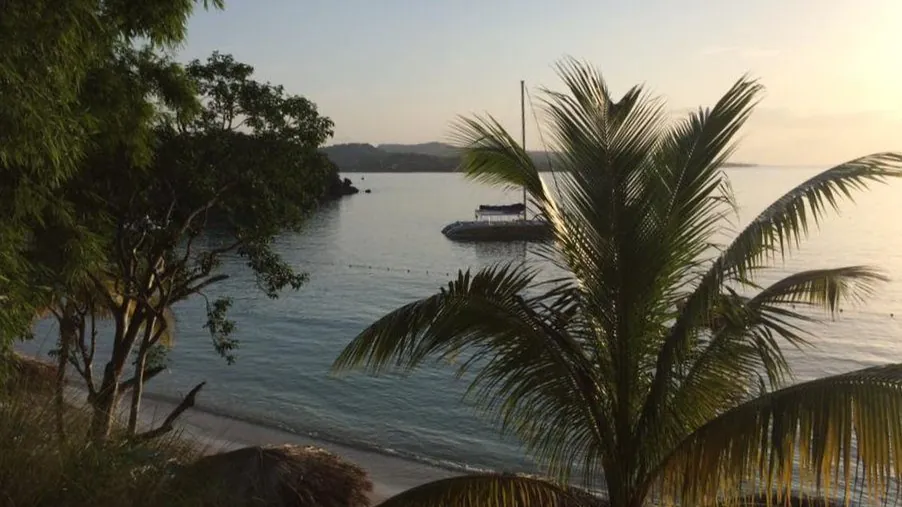
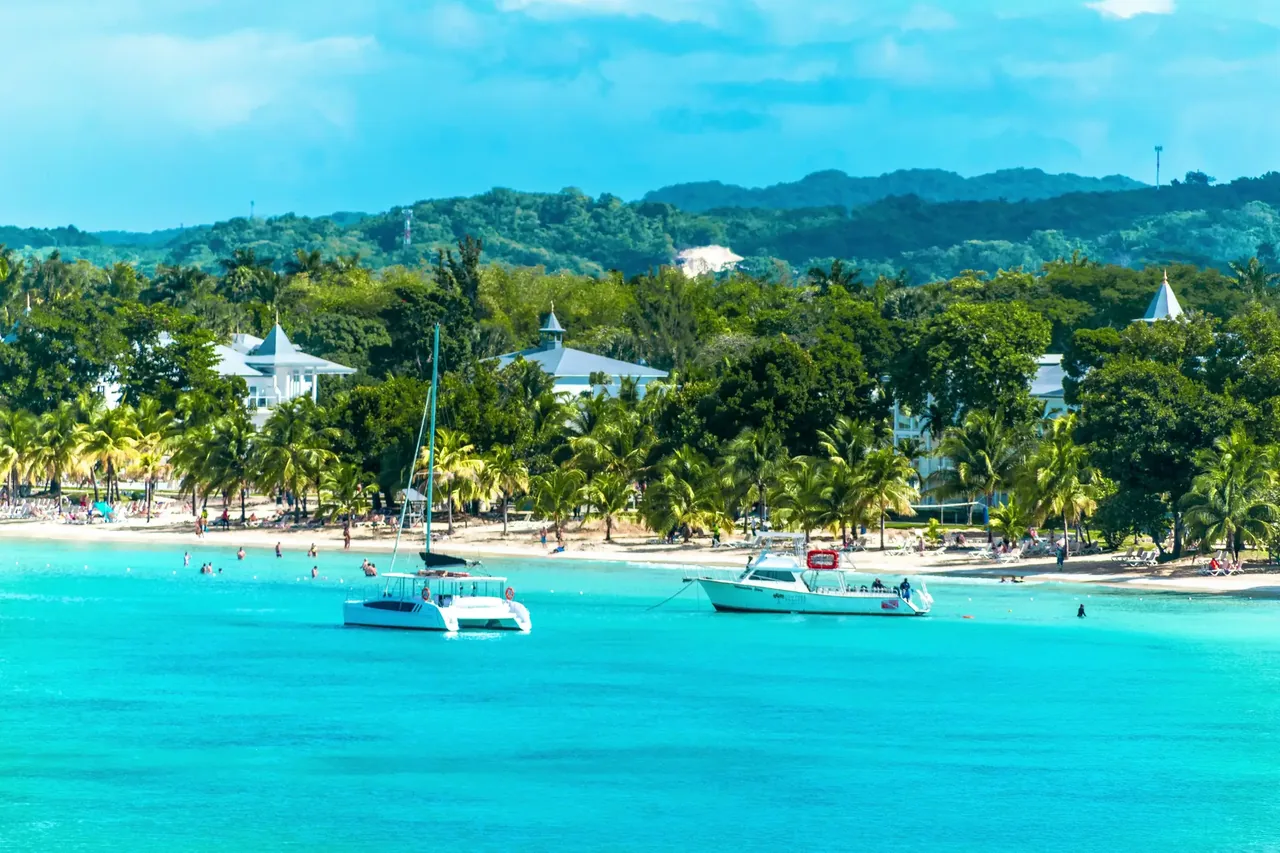
I didn't do any tours this time. Sunset Cove is the resort's main and calmest bay for swimming, and I loved it. It's where I burned my back, because I snorkeled a little longer than I maybe should have. So worth it. Every day from noon to 3pm, the Jerk Huts are a must.
Of all my trips, this is one I wish I could take again, and next time I'd see Jamaica in much greater detail.
Doctor's Cave Beach
Doctor's Cave Beach is Montego Bay's famous beach: a private club beach on the Hip Strip with crystal-clear water, chair rentals, and facilities. It's small, beautiful, and the most comfortable beach option for solo travelers in MoBay. Entry fee is modest; it's well-managed and you won't be hassled inside.
Resort Day Passes: A Smart Solo Option
Many of Montego Bay's all-inclusive resorts offer day passes to non-guests, with full access to pools, beaches, food, and drinks. For a solo traveler, this is an excellent option: you're in a secure environment, facilities are good, and you can use it as a base for a day without paying nightly rates. Check availability directly with the resorts.
Live Music: Where to Actually Hear It
Reggae is the reason a lot of people pick Jamaica, and Montego Bay will absolutely deliver it, but almost everything on the Hip Strip (officially Gloucester Avenue) is DJ-led rather than live, so it's worth knowing which is which before you spend an evening.
Pier 1, on the waterfront, is the one most people mean. Open-air, built out over a small pier, restaurant and bar by day and a proper party venue by night, with live music alongside DJ sets across reggae, dancehall and soca. Friday is its big night and there's usually a cover. It's also the venue that hosts main-stage events including Reggae Sumfest.
Blue Beat Ultra Lounge, next to Margaritaville, is the quieter alternative and the better bet if you want to actually hear a band: live jazz and reggae, cocktail-focused, considerably less of a scrum than the clubs either side of it.
Margaritaville is the big beachfront one: waterslides and trampolines by day, DJ-driven club by night, no cover. It's fun and it is not remotely local.
The Brewery sits somewhere between a British pub and a jerk pit, with a covered veranda over Gloucester Avenue and no cover charge, a decent low-commitment first stop while you work out where the night is going.
For a solo traveller, a few practical notes. Open-air venues like Pier 1 are easier to arrive at alone than an enclosed club. You can stand at a rail with a drink and watch without being conspicuous. Cover charges are cash. And plan the journey home before you go out: the advisory warns against walking alone after dark, and a taxi arranged through your hotel is the right call even for the short distance back along the Strip.
If you want live music that isn't tourist-facing at all, ask your accommodation what's on rather than following the Strip, and go with someone if you can.
What to Eat: Don't Miss the Real Jamaica
The best food in Jamaica is not in the resort buffets. Scotchies on the Hip Strip is the most famous jerk restaurant in Jamaica, smoked pork and chicken over pimento wood, served on oil drum lids. Pelican Bar (reached by boat) is a famous ramshackle open bar on a sandbar offshore, a completely unique Caribbean experience. Fresh seafood, ackee and saltfish (the national dish), and festival bread (sweet fried dough) at local spots are all worth seeking out.
Practical Info for Your Trip
- Best time to visit: December through April. June is early hurricane season and hotter, lower prices but more rain risk and humidity.
- Getting around: Use JUTA taxis arranged through your hotel. Uber operates in Jamaica but with limitations. Do not use unlicensed taxis.
- Currency: Jamaican Dollar (JMD). USD accepted widely in tourist areas.
- Solo safety rating: Moderate, manageable in tourist areas with proper awareness, but requiring more vigilance than other Caribbean islands on this list.
Where to go next
- the safety rankings, for how Jamaica compares island by island.
- the island comparison, if the advisory has you reconsidering.
- Havana, a short flight and a completely different kind of trip.
What the official advice says
Jamaica, Level 2: Exercise increased caution (Crime, Health, Natural disaster)
Lowered from Level 3 to Level 2 in January 2026. Some parishes remain Level 3, check the advisory for the specific parish.
Source: U.S. Department of State, issued June 2026. Checked 16 August 2026. Advisory levels change, so check the source before you book.
Common questions
Is Montego Bay safe for solo travelers?
Jamaica's US advisory has described the homicide rate as among the highest in the Western Hemisphere and armed robberies and sexual assaults as common, while tourist corridors see less violent crime than the rest of the country. Two official rules have mattered most: US government staff are told not to use public buses or drive between cities after dark, and US citizens are advised to do the same.
What should I know about hurricanes in Montego Bay?
Western Jamaica sits in the path of Atlantic storms; Hurricane Melissa caused widespread damage around Montego Bay in October 2025. Hurricane season runs June to November, and after any major storm, confirm directly with anywhere you plan to stay or visit rather than assuming it is open.
When is the best time to visit Montego Bay?
Mid-December through April is dry season and the most reliable stretch of weather, at peak prices. Hurricane season runs June to November and peaks around September, which is worth taking seriously on this side of the island.
Can I use route taxis and buses in Montego Bay?
Public buses are the one form of transport US government employees are barred from entirely, and US citizens are advised to follow suit. Arrange taxis through your hotel instead of hailing them, and avoid driving between towns after dark, which is the other standing restriction.