Solo Travel Guide to Tamarindo, Costa Rica
Costa Rica's busiest surf town, and one of Central America's easiest places to arrive alone and immediately have people to talk to.
Quick facts
- Region
- Guanacaste, Costa Rica
- Best months
- Dec–April (dry season)
- Typical temperature
- ~32°C / 90°F
- Nearest Airport
- Liberia (LIR), 1 hr
- Budget
- Mid-range
- Solo Safety
- Excellent
- Best For
- Surfing & surf lessons
- Wildlife
- Sea turtle nesting nearby
- Don't Miss
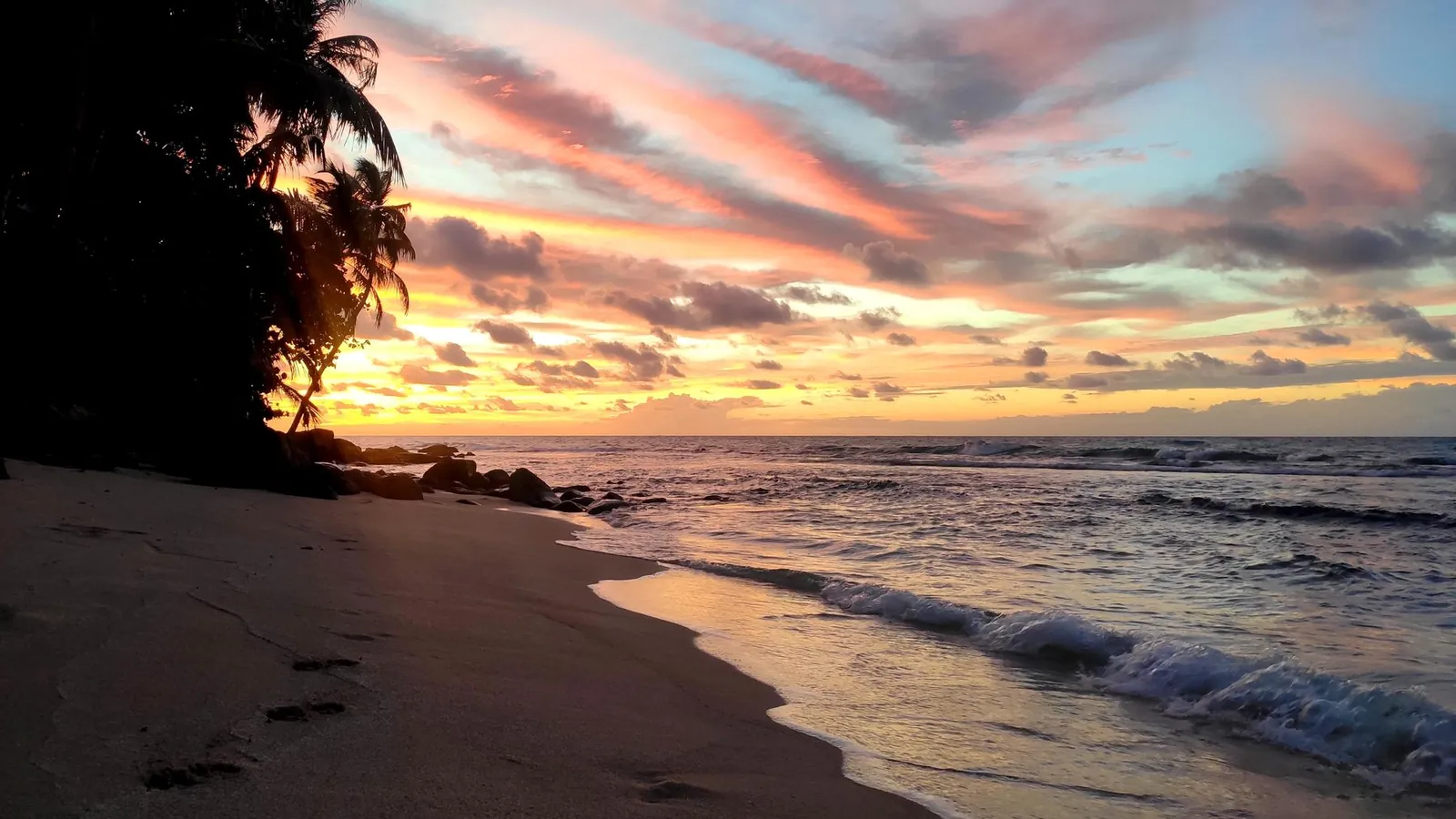
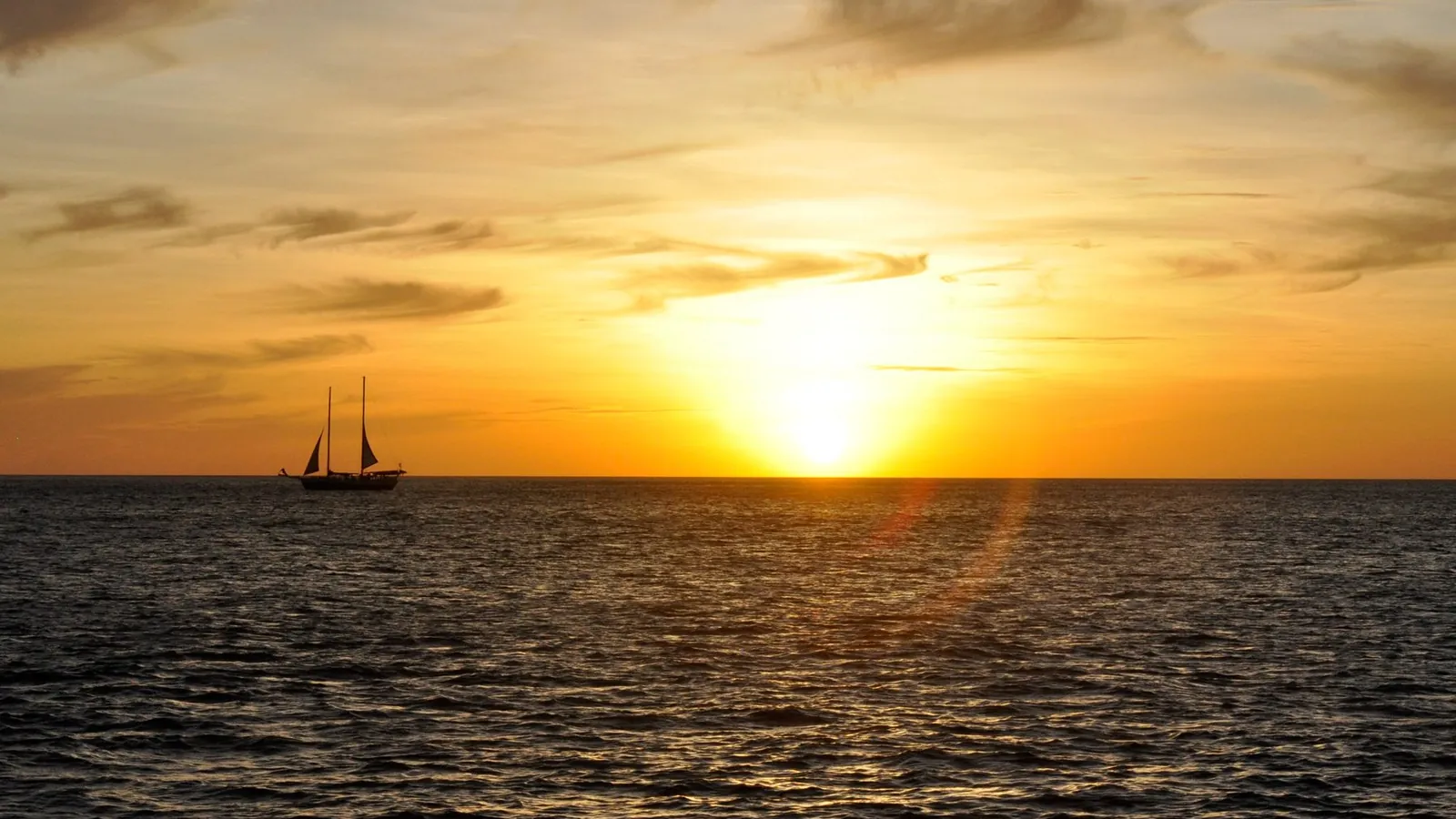
- Sunset at Playa Tamarindo
My trip
- Visited
- November 2023
- Length
- A week to ten days
- Stayed
- Hotel Arco Iris, Tamarindo
- Got around by
- Shared shuttle from LIR; walking + local shuttle
- Travel style
- Mid-range
Tamarindo is a surf town where friendships start in the water and carry on over dinner. I stayed at the Hotel Arco Iris and surfed with Witch's Rock, and the people I met there set the tone for the whole trip.
Tamarindo is Costa Rica's best-known surf town. If you can pick your month, January is the one to aim for: dry season, consistent swell, and a beach scene that's active without being overwhelming. For solo travelers, Tamarindo hits an unusual sweet spot: it's socially easy (lots of solo travelers and expats), straightforward to manage alone, and a launching pad for some of Costa Rica's best wildlife experiences.
Is Tamarindo Safe for Solo Travelers?
The US State Department rates Costa Rica at Level 2, Exercise increased caution (as of December 2024), and the driver has been petty theft rather than violence. Nicaragua to the north has carried a more serious rating.
Theft is the realistic concern and it has a specific shape in a surf town: unattended bags on the beach while you're in the water. That's the single most common way visitors lose things in Tamarindo, and it's entirely avoidable. Take nothing to the sand you'd mind losing, and use the accommodation safe for everything else.
The bigger risk here isn't crime at all. It's the water. Costa Rica's Pacific coast has strong rip currents, and drowning is a genuine cause of visitor deaths. Tamarindo's beach break is forgiving by Pacific standards, which is why it's a learners' town, but the river mouth at the northern end has current and the conditions change with tide and swell. Swimming alone, out of season, with nobody on the beach expecting you back is the actual solo-travel hazard on this coast. Surf where other people are surfing.
Practically: the main strip and beachfront stay busy into the evening, and the established expat and surf-school scene makes it an easy place to be alone without feeling conspicuous. Don't walk isolated stretches of sand after dark, watch your drink in bars, and treat the ocean with more caution than the town.
Surfing: Lessons to Lineups
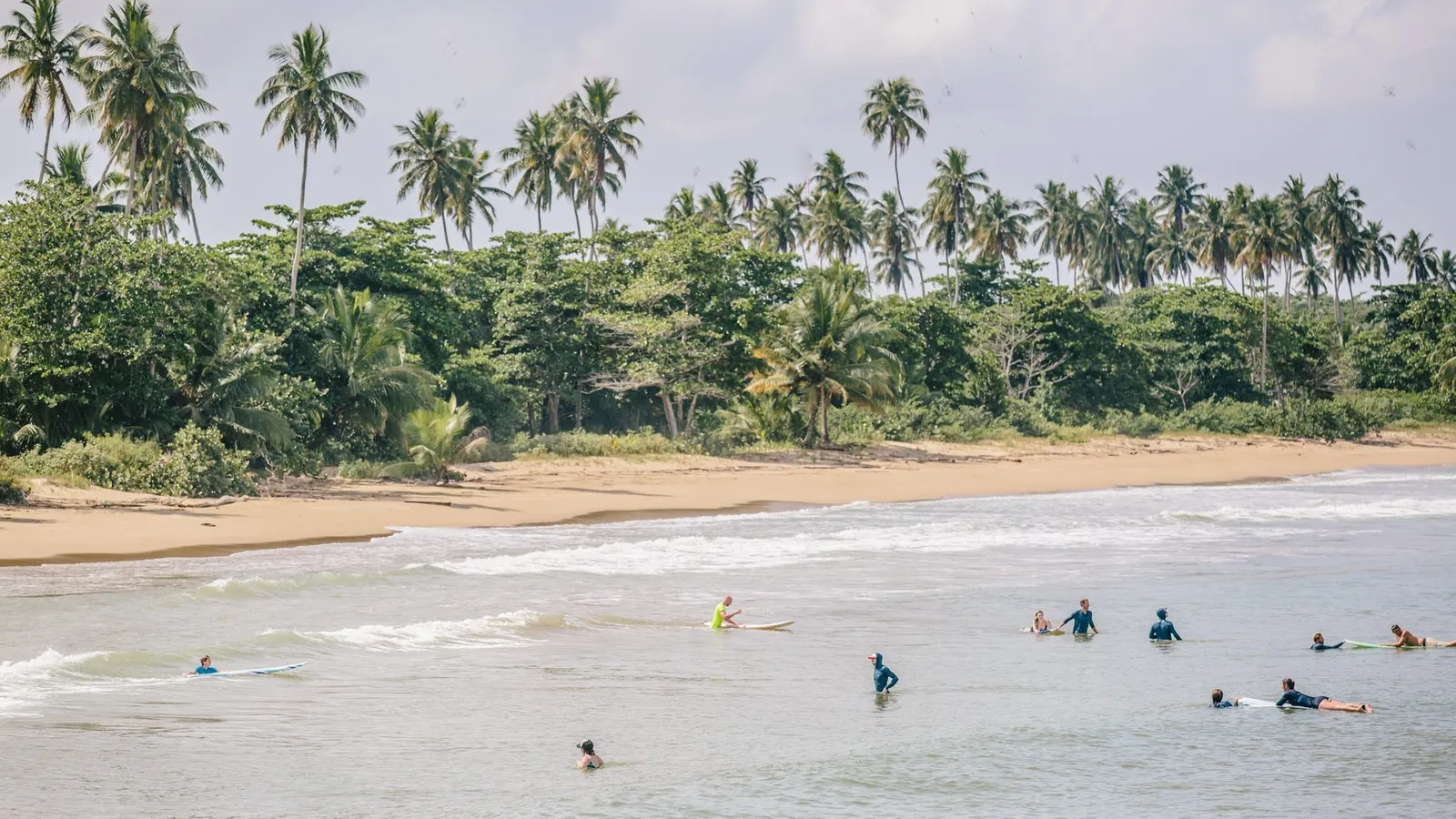
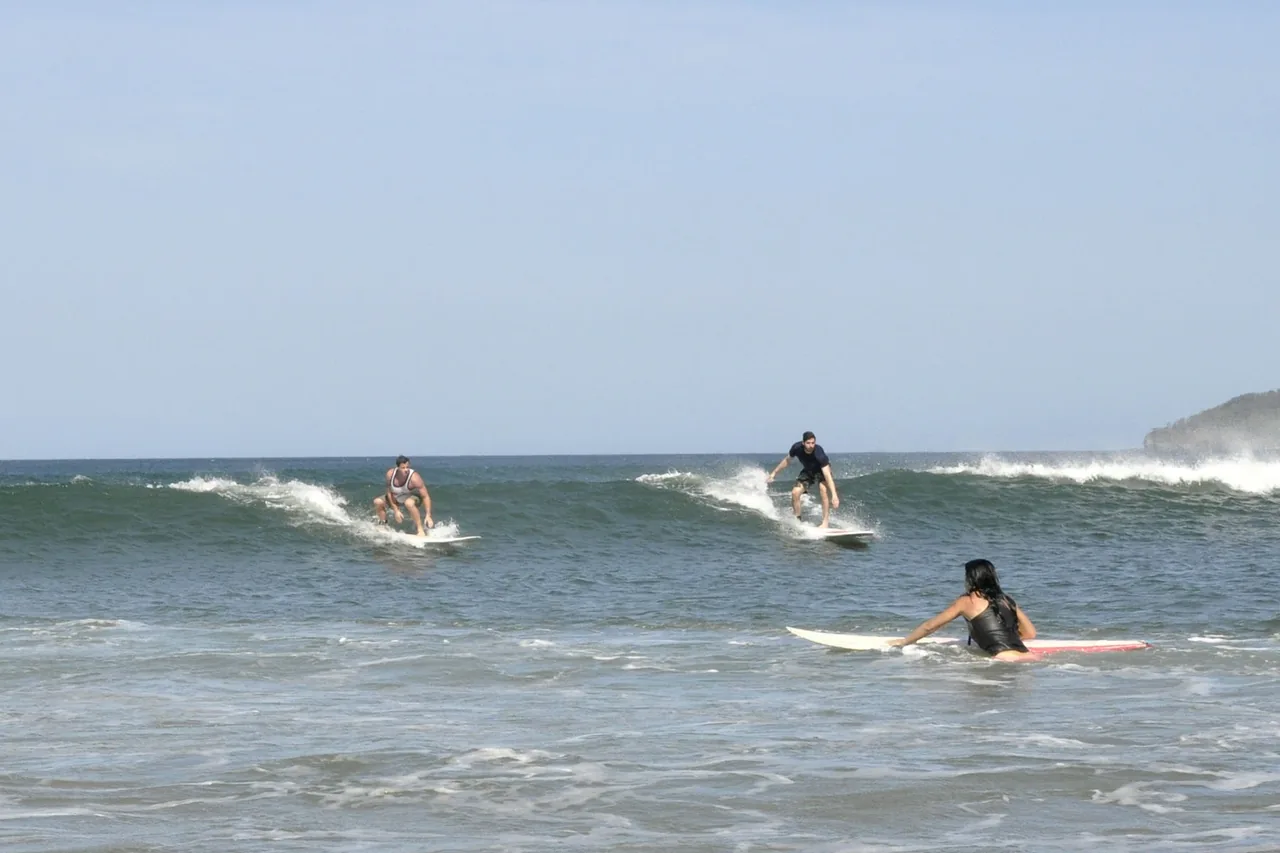
Tamarindo's main beach break is consistent and suited to intermediate surfers. For beginners, Playa Langosta (south, calmer) and the inside sections of the main break are better starting points. Surf schools are everywhere. Most offer individual lessons and morning group sessions that are easy to join alone. January brings reliable offshore winds in the morning and consistent swell from North Pacific swells, one of the better months of the year for learning.
I surfed with Witch's Rock Surf School and had an amazing time. The community there is a big part of the appeal, and it set the tone for the whole trip: Tamarindo is a place where it's easy to make friends everywhere.
Playa Grande: Leatherback Turtle Nesting
Directly across the Tamarindo estuary is Playa Grande, part of Las Baulas National Marine Park and one of the most important leatherback nesting beaches in the eastern Pacific. The park covers Playa Grande, Ventanas and Carbón plus the estuary and mangroves, roughly 167 hectares of land and 22,000 of ocean.
Nesting season runs October to March. Outside that window there are no leatherbacks, and any operator selling you a turtle tour in July is selling you a walk on a beach. Check the season before you build a trip around it.
How the tours actually work. They're run by the park rather than freelance guides, they go at night in small groups after a short briefing, and you book them at the ranger station. Two routes in:
- At the Las Baulas ranger station in Playa Grande: guide and park entry included.
- Through the Local Guide Association's satellite station in Tamarindo: a little more, including park entry and a ten-minute boat crossing of the estuary to reach Playa Grande.
The second is the practical option if you're based in Tamarindo and don't have a car, and the estuary crossing at night is part of the experience.
Set your expectations honestly, because this is where the disappointment lives. Leatherbacks are critically endangered and numbers here have fallen sharply. This is a park protecting a few hundred nesting females a year, not a guaranteed spectacle. Sightings are genuinely hit and miss. You may spend an evening on a dark beach and see nothing, and the tour is still the right thing to have paid for, because the alternative is unregulated crowds trampling nesting sites.
The protocols exist for a reason: no unshielded torches, no camera flash, no walking above the high tide line, no noise, no approaching. Guides enforce them, and a group that doesn't is one to walk away from.
The Estuary: Crocodiles, Not Swimming
The Tamarindo estuary at the north end of the beach is a protected mangrove system and a genuinely good half-day by kayak or boat: 174 recorded bird species, monkeys and iguanas in the dry forest, and mangrove channels you can paddle into. Morning gives better light and more animal activity.
Walking along the estuary, I saw an American crocodile, one of the residents that live there year-round.
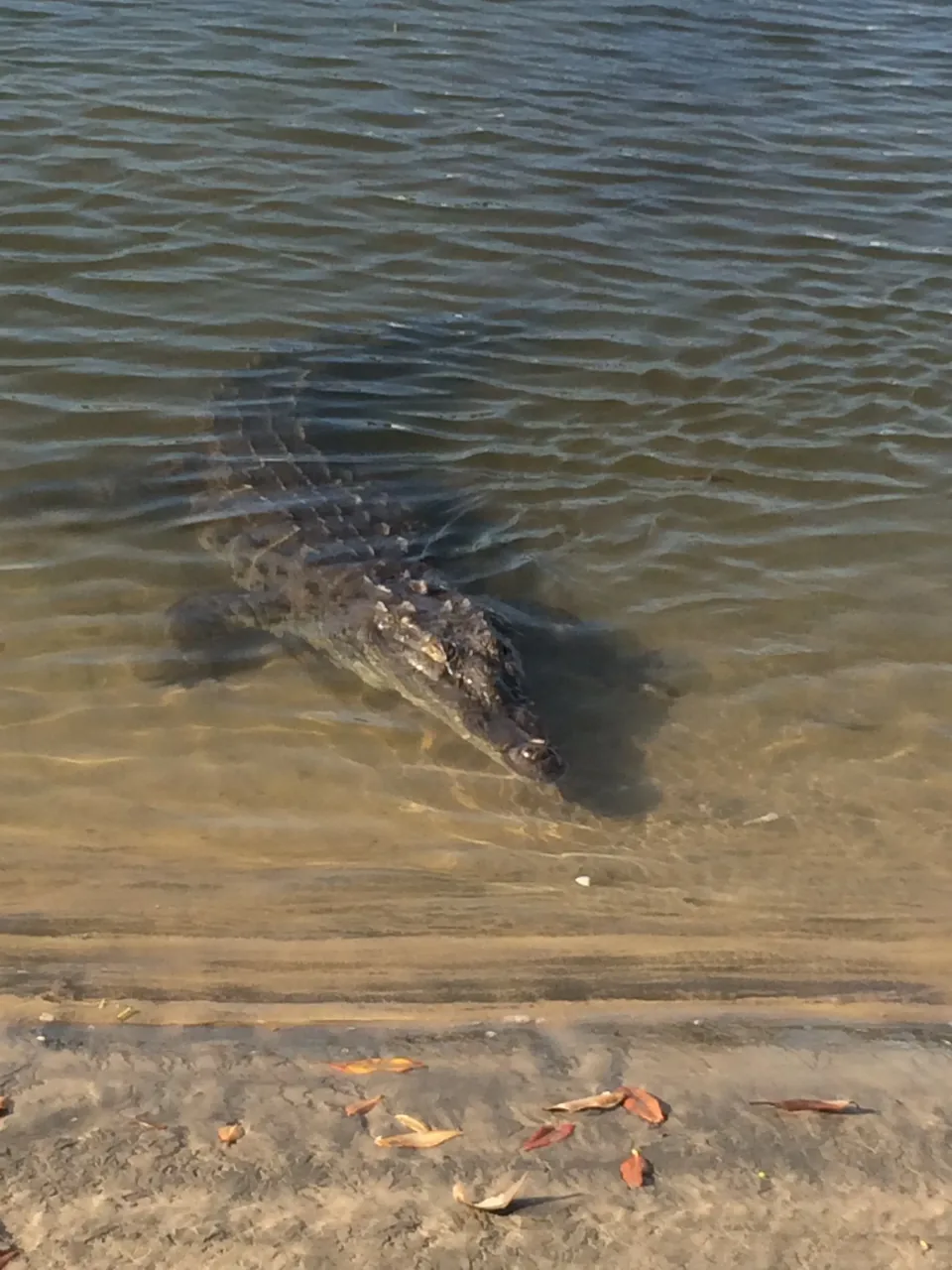
It also has crocodiles, which is the part that belongs in a solo travel guide rather than a wildlife one. The estuary mouth is not a swimming spot, however inviting the water looks at the end of the beach, and this catches people out because there's no fence and nothing obviously separating it from the surf beach. Swim in front of town, not at the river mouth.
Two more local details worth having: after heavy rain the estuary carries runoff into the bay and water clarity drops, so ask before snorkelling. And the constant sea breeze masks how strong the sun is. You will burn faster than it feels like you should.
Wildlife Beyond the Beach
Tamarindo is in Guanacaste, one of Costa Rica's driest and most wildlife-rich provinces. Day trips from town reach Rincón de la Vieja National Park (active volcano, hot springs, hiking) and Palo Verde National Park (the best bird watching in Costa Rica, hundreds of species). Howler monkeys, iguanas, and white-faced capuchins are often visible around Tamarindo itself.
Practical Info for Your Trip
- Best time to visit: December through April (dry season). January is ideal: zero rain, optimal surf, turtle nesting in full swing.
- Getting there: Fly into Liberia (LIR) in Guanacaste (1-hour drive to Tamarindo) or San José (SJO) with a 4-hour drive or domestic connection. Liberia is the easier option.
- Getting around: Rent a car for day trips to national parks. Tamarindo itself is walkable. Local shuttles connect to popular destinations.
- Groceries: the Auto Mercado in Tamarindo isn't far from the center if you're self-catering.
- Currency: Costa Rican Colón (CRC). USD accepted in tourist areas. Cards widely accepted.
- Solo safety rating: Very good, one of the most comfortable solo travel destinations in Central America.
Where to go next
- Bocas del Toro, over the border in Panama, and Caribbean rather than Pacific.
- the Corn Islands, north into Nicaragua, with a much heavier advisory attached.
What the official advice says
Costa Rica, Level 2: Exercise increased caution (Crime)
Source: U.S. Department of State, issued December 2024. Checked 16 August 2026. Advisory levels change, so check the source before you book.
Common questions
Is Tamarindo safe for solo travelers?
Costa Rica's US advisory has been driven by petty theft rather than violent crime. In Tamarindo specifically the classic loss is an unattended bag on the beach while you swim. The ocean deserves more caution than the town does.
How dangerous are the rip currents in Tamarindo?
Real enough that drowning is a leading cause of visitor deaths on Costa Rica's Pacific coast. Tamarindo's main break is gentle by regional standards, which is why beginners learn here, but the river mouth at the north end carries current and conditions shift with tide and swell. Swim where other people are.
When is the best time to visit Tamarindo?
December to April is dry season with reliable sun and the biggest crowds. May to November brings green season: afternoon rain, far lower prices, and for surfers a more consistent swell than the dry months deliver.
Do I need colones in Tamarindo?
Less than most of Costa Rica. US dollars circulate freely in Tamarindo and cards are widely taken. Colones still get you better value at sodas and small local businesses away from the main strip.