Bocas del Toro Solo Travel: Is It Safe and How to Get Around
Bocas del Toro is a backpacker-friendly Caribbean archipelago in Panama, easy to meet people, harder to get around than it looks.
Quick facts
- Region
- Caribbean Coast, Panama
- Best months
- Sept–Oct or Feb–Mar
- Typical temperature
- ~28°C / 82°F
- Getting There
- Fly Bocas (BOC) or boat from Almirante
- Budget
- Very budget-friendly
- Solo Safety
- Good, popular backpacker hub
- Best Beach
- Red Frog Beach or Starfish Beach
- Wildlife
- Red poison dart frogs
My trip
- Visited
- January 2022
- Length
- A week to ten days
- Stayed
- Selina, Bocas Town; Casa Cayuco and Palmar Beach Lodge, Isla Bastimentos
- Got around by
- Copa via Panama City, small plane to Bocas; walking + boats
- Travel style
- Very budget-friendly
Bocas del Toro is best understood on foot and by boat, one island at a time. I walked almost everywhere I could, and I moved twice on purpose, from the lively noise of Selina in Bocas Town to the quiet of Casa Cayuco and Palmar Beach Lodge on Isla Bastimentos. Getting there is part of the journey: Copa through Panama City, then a small plane out to the islands.
Bocas del Toro is the kind of place that's hard to explain until you're there. It's a Caribbean archipelago off Panama's northwest coast: colorful wooden buildings on stilts over the water, boat taxis instead of roads, spider monkeys in the jungle, and some of the best beginner surf in Central America. I walked as much of it as the islands allowed.
Short answer: Bocas del Toro is safe enough alone with normal caution, and getting around means water taxis rather than roads. The archipelago doesn't connect by land. Bocas Town on Isla Colón is the base. The realistic risks are the water and the boats after dark, not crime.
Is Bocas del Toro Safe for Solo Travelers?
The US State Department rates Panama at Level 2, Exercise increased caution (as of September 2024), with urban crime the main driver.
Bocas Town on Isla Colón is the hub, and its backpacker density does most of the safety work: there are always other travellers around, hostels run group activities, and it's small enough to cross on foot. The realistic risks are the ones any party-oriented beach town has, petty theft, and poor decisions late at night.
Two hazards here are specific to the archipelago and worth more attention than the crime question.
Water taxis. They're how you get everywhere, they're cheap, and safety standards vary enormously between operators. Life jackets are often present but unworn, boats are often overloaded, and crossings between islands are open water. Look at the boat before you get in it, and don't take one alone after dark, the combination of no lights, no traffic and nobody expecting you at the other end is the genuine risk on these islands.
Swimming and currents. Some of the most photographed beaches here have strong surf and no lifeguards. Red Frog and the Bluff both catch swell. There is no rescue infrastructure on most of the archipelago.
Practically: stay aware after dark in Bocas Town, don't leave bags unattended in hostels or on the sand, and don't rely on cards. ATMs on Isla Colón are limited and run out, and the outer islands have none at all.
Surfing in Bocas: The Main Draw for Many Travelers
Bocas del Toro has a reputation for great surf, and it's deserved. The classic spots (Wizard Beach, Dumpers, and Paunch) range from beginner-friendly to legitimately powerful, depending on swell. January tends to bring consistent surf with manageable conditions for intermediates.
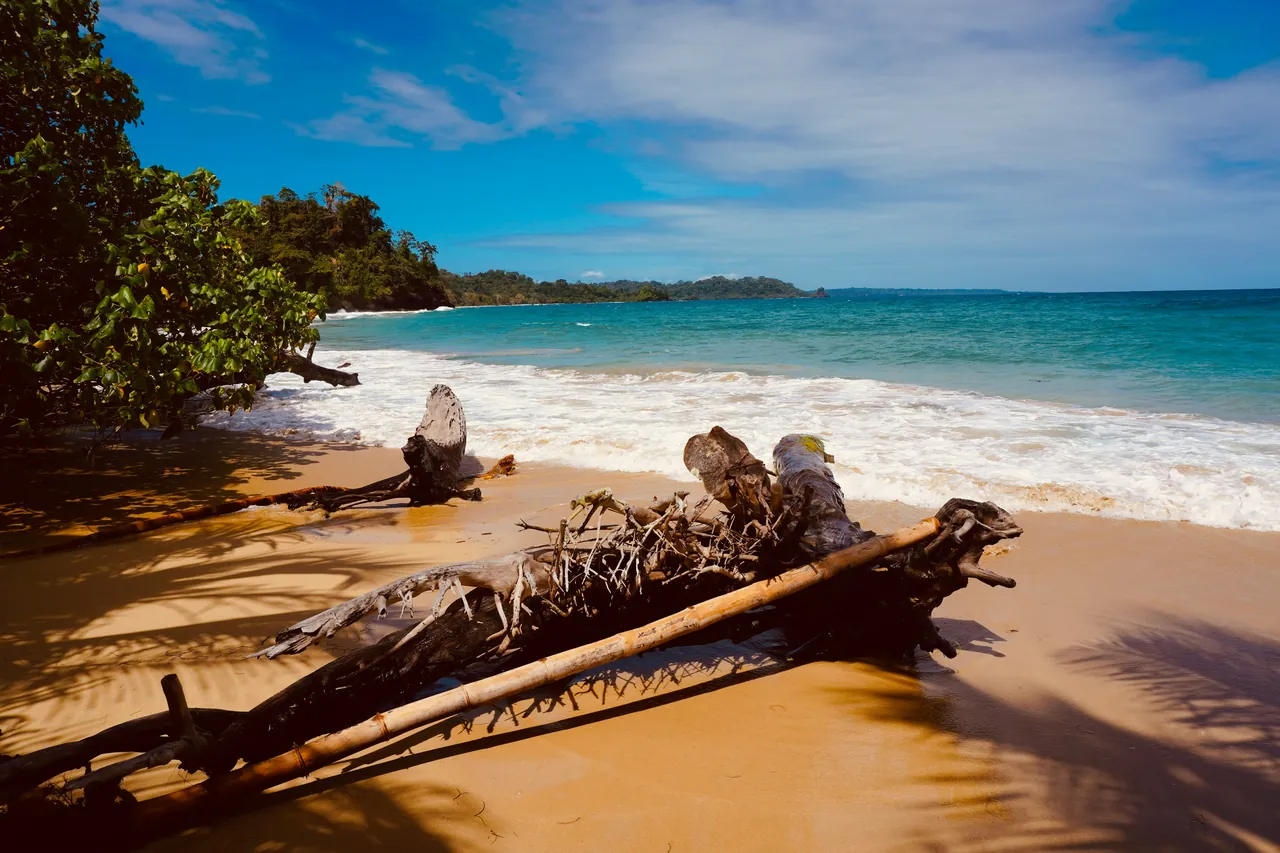
If you've never surfed, Bocas is actually a good place to learn. Several surf schools operate near Red Frog Beach and in Bocas Town offering half-day lessons with board rental. The instructors are patient and the breaks near town are gentle enough for first-timers.
Island Hopping: How to See the Archipelago
The islands are what make Bocas special, and getting between them is half the trip. Water taxis leave from the main dock in Bocas Town for fixed drop-offs, cash only, priced per person. Worth knowing that when the sea is rough, commoner in wet season, some boats simply won't run, so a day plan that depends on a crossing needs a fallback.
The two beaches everyone comes for work completely differently, and one of them has hidden costs.
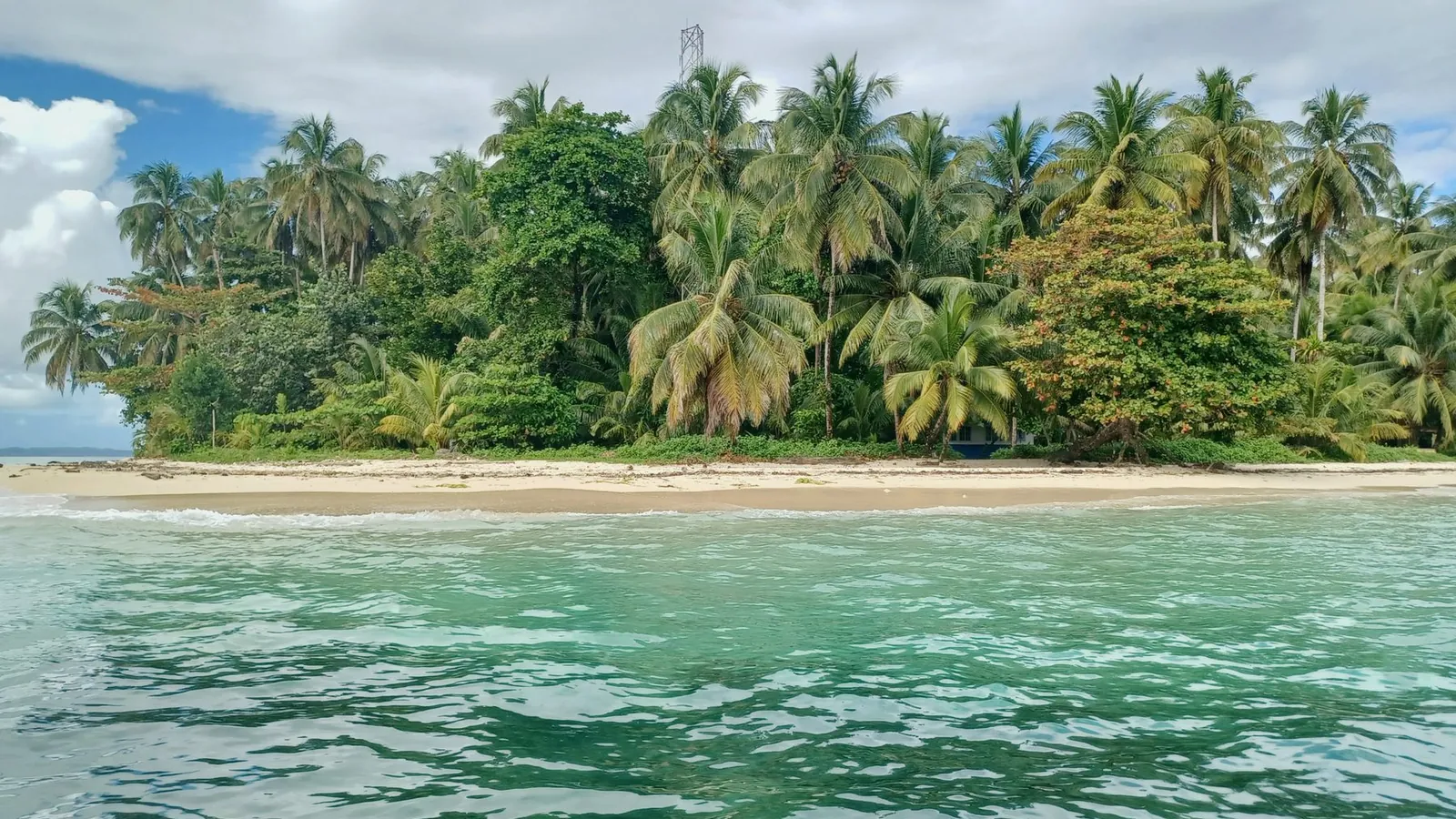
Red Frog Beach, on Isla Bastimentos, is the famous one, a long stretch of sand backed by jungle, named for the strawberry poison-dart frogs that live behind it. Getting there is roughly 15 minutes by water taxi from Bocas Town, and then a separate charge to cross the private property at the dock, followed by a ten-minute walk to the sand. That second fee catches people out because nobody mentions it until you're standing at the gate with your wallet in your bag.
The surf here is real. Red Frog and Playa Bluff both catch swell and there are no lifeguards; December to March and July are the surf months, which are exactly the months the water is least suited to a casual swim.
Starfish Beach (Playa Estrella), on Isla Colón, is the calm counterpart and the cheaper day out. It faces the mainland rather than open ocean, so the water stays flat most of the year. Get there overland: a colectivo van from Parque Simón Bolívar in Bocas Town to Boca del Drago for a few dollars, running roughly hourly, reports vary between departures on the even hour and every 30 minutes, so ask at the park rather than trusting a schedule. It's 30 to 50 minutes on a rough road. From Boca del Drago it's a 20-minute walk along the coast, or a cheap water taxi if you'd rather not.
The walk is worth doing. It's short, it's pretty, and every extra boat pulling up is bad for the starfish everyone came to see.
And on that. Don't lift them out of the water. Taking a starfish out to photograph it kills it. Bring a mask and look at them where they are.
For a solo traveller the colectivo is the better call than a private water taxi, which costs considerably more, especially if you're chartering. You're paying a single fare rather than splitting one, and the van is where you'll end up talking to other people anyway.
Guided multi-stop boat tours from Bocas Town remain the easiest way to see the Zapatillas (essentially deserted beaches inside the marine park, with nesting turtles in season) and are one of the simplest ways to fall in with other travellers if you're on your own.
Last boats matter. The Boca del Drago bus stops running back to town in the early evening, and water taxis thin out after dark. Check the last return before you settle in for another beer.
Where to Stay: Budget to Mid-Range Options
My stays: I moved twice, on purpose, and each place showed me a different Bocas. I started at Selina in Bocas Town, where the room came with earplugs on the nightstand. I wouldn't have had it any other way: the hostel is lively, and so are the bars and restaurants around it. That noise is part of the town's charm.
From there I moved to Casa Cayuco, and the volume fell to almost nothing. The only other guests were a family with two young children, and it felt as though the island had been deserted and left to us. We barely crossed paths during the day, but we met at meals, which suited the place perfectly. My last stop was Palmar Beach Lodge on Isla Bastimentos.
Bocas is one of the most backpacker-friendly destinations in Central America, which works well for solo travelers. Hostels in Bocas Town have common areas, social events, and communal kitchens that naturally bring people together. Selina, where I started, is the best-known option: reliably social and well located. Mondo Taitu and Bubba's House are smaller and more local in feel.
If you want something quieter, guesthouses on Isla Bastimentos offer a completely different pace: slower, more nature-oriented, with better access to snorkeling and less noise at night. Casa Cayuco, an all-inclusive eco-lodge on the far side of Bastimentos, is the option if you want a genuine splurge night away from Bocas Town: kayaks and snorkel gear included, and a scheduled speedboat transfer that picks up from a fixed spot in Bocas Town rather than your hotel, so confirm the pickup point and time when you book.
Eating and Local Culture in Bocas Town
Bocas Town's main street is lined with restaurants, bars, and small shops. The food scene is a mix of Caribbean, Panamanian, and international. There's a well-stocked supermarket on Isla Colón if you'd rather self-cater some meals or just stock up on water and snacks before a beach day. Fresh seafood is the standout. Ask locals where they eat and you'll avoid the overpriced tourist traps. The Ngobe-Buglé indigenous communities on some of the outer islands also sell handmade crafts and run small ecotourism operations worth supporting.
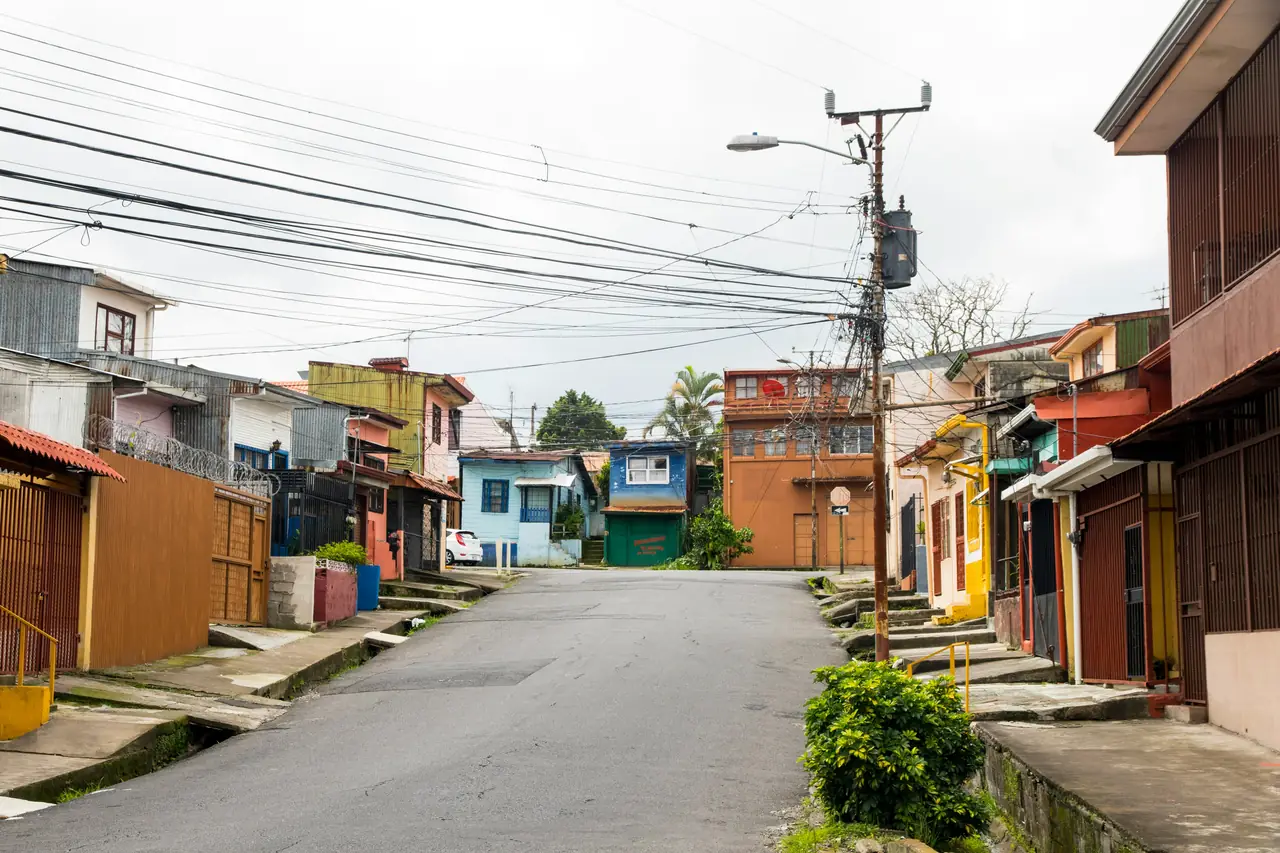
January is actually a slightly slower month for tourism, which means prices are better, beaches are less crowded, and locals have more time to talk. The trade-off is some rain in the afternoons. Mornings are generally clear.
Practical Info for Your Trip
- Best time to visit: September–October (dry season) or January–February for a good mix of dry weather and manageable swell. Avoid May–June (heavy rain season).
- Currency: Panamanian Balboa (pegged 1:1 to USD). US dollars accepted everywhere.
- Language: Spanish officially; English widely spoken in Bocas Town due to its Caribbean and tourism heritage.
- Getting there: Fly to Panama City (PTY), then domestic flight to Bocas del Toro (BOC), about 1 hour. Alternatively, bus to Almirante then water taxi (longer but cheaper).
- Visa: US and most EU citizens get 180 days visa-free on arrival in Panama.
- What to pack: Light clothes, reef-safe sunscreen, insect repellent (the jungle is real), a dry bag for water taxis, and a lock for hostel lockers.
- Solo safety rating: Good in tourist areas. Use the same awareness you'd apply in any lively backpacker destination.
Final Thoughts
Bocas del Toro is genuinely one of those places where the chaos and the beauty are inseparable. It's not polished, it's not luxurious, and it doesn't pretend to be. But it's alive in a way that few places are, and for solo travelers who want to actually meet people, get in the water, and feel like they've been somewhere real. It delivers.
Where to go next
- Tamarindo, a short hop north and the Pacific version of this.
- the Corn Islands, if you want the same idea further off-grid.
What the official advice says
Panama, Level 2: Exercise increased caution (Unrest, Crime)
Source: U.S. Department of State, issued September 2024. Checked 16 August 2026. Advisory levels change, so check the source before you book.
Common questions
Is Bocas del Toro safe for solo travelers?
Panama's US advisory is driven mainly by urban crime, and Bocas Town's backpacker density means you are rarely alone. Petty theft and late-night carelessness are the realistic crime risks. Water taxis and unpatrolled surf beaches deserve more of your attention than crime does.
When is the best time to visit Bocas del Toro?
September and October, then February and March, are the driest windows. Bocas is genuinely wet for much of the year and does not have a clean dry season, so plan around showers rather than expecting to avoid them.
Can I use cards in Bocas del Toro?
Only partially. ATMs on Isla Colon are few and regularly run dry, and the outer islands have none. Bring cash across from the mainland rather than assuming you can withdraw once you arrive, Panama uses the US dollar, so there is no exchange step.