The 10 Safest Caribbean Islands for Solo Travelers, Ranked
Ten Caribbean islands I've visited, ranked on how safe they felt for a solo traveler, with the official US advisory level beside each one.
Quick facts
- Islands ranked
- 10
- Safest overall
- Aruba
- Best infrastructure
- Barbados
- Quietest
- Bonaire
- Most off-radar
- Corn Islands
- Ranked on
- Personal visits + State Dept advisories
What "safe" means here: low violent crime in tourist areas, a local culture that treats independent travelers with respect, tourist infrastructure that works, and a track record that makes solo travel comfortable rather than stressful.
Every island on this list is one I've visited. The order is mine, shaped by how each place felt on the ground. The advisory level beside each one is the US State Department's, so you can see where my experience and the official picture agree, and where they part ways.
1. Aruba
Aruba's low crime rate is one of the first things anyone mentions, and the island has built its whole economy around being reliable and easy. Eagle Beach and Palm Beach are busy and well lit, the island is small enough that nowhere is far, and I rented a car on the spot and drove it end to end. The hazard worth naming is the surf on the north and east coasts, not crime.
Advisory: Level 1, Exercise normal precautions (as of August 2024). Full guide: Aruba.
2. Bonaire
Consistently among the lowest crime rates in the Dutch Caribbean. Small population, strong dive tourism infrastructure, and a community where strangers get noticed quickly, which mostly works in your favor when you're alone. The island is flat and easy to navigate; I drove it from Washington-Slagbaai National Park in the north to the Salt Pier and Pink Beach in the south.
Advisory: Level 1, Exercise normal precautions (as of August 2024). Full guide: Bonaire.
3. Barbados
The most developed tourism infrastructure in the Eastern Caribbean, which translates to reliable security in tourist areas and good roads. Petty theft exists, so keep valuables secure. The State Department also specifically warns against walking alone at night on beaches or unlit streets. One thing no advisory mentions: catcalling was close to constant on my trip. Women traveling alone should expect it.
Advisory: Level 1, Exercise normal precautions (as of April 2026). Full guide: Barbados.
4. Curaçao
Well-developed tourist infrastructure, active beach clubs, and a walkable capital that feels genuinely safe during the day. The main corridors (Jan Thiel, Mambo Beach, the historic center of Willemstad) stay busy and well patrolled. On the beaches, there's none of the hustling you'll find in parts of Mexico or the Dominican Republic. Apply normal nighttime awareness outside the main areas.
Advisory: Level 1, Exercise normal precautions (as of August 2024). Full guide: Curaçao.
5. Vieques, Puerto Rico
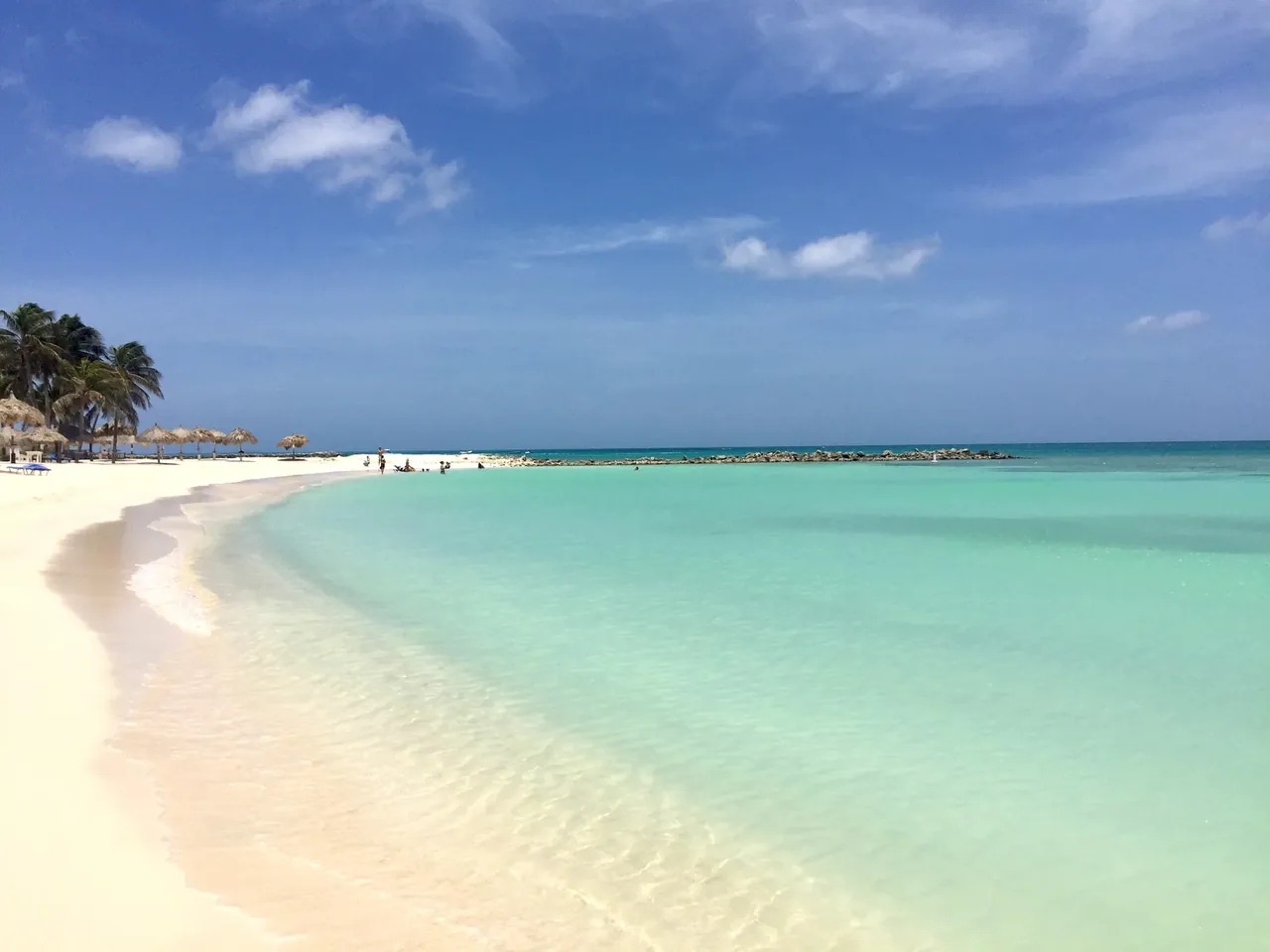
A small island municipality of Puerto Rico: US territory, US dollar, US infrastructure, English widely spoken. The island is quiet and small-community. The real hazard is the land itself: Vieques was a Navy bombing range until 2003, parts of it are still being cleared of unexploded ordnance, and the most beautiful beaches can sit close to the most dangerous ground. Stay on marked paths and beaches.
Advisory: None applies; Puerto Rico is a US territory. Full guide: Vieques.
6. Saint-Martin / Sint Maarten
One island split between a French side and a Dutch side with no real border; you just drive between them. The French side around Marigot and Grand Case is quieter and feels particularly safe, and Orient Bay is the main beach scene. Avoid isolated areas after dark on the Dutch side, especially around parts of Philipsburg. At Maho Beach, the jet blast from departing aircraft is a genuine hazard; stand where the signs tell you to.
Advisory: rated separately; Saint-Martin Level 1, Exercise normal precautions (as of August 2024), Sint Maarten Level 1, Exercise normal precautions (as of August 2024). Full guides: the French side and the Dutch side.
7. San Andrés, Colombia
On the ground, San Andrés felt relaxed: a tourist zone busy with Colombian vacationers, a public bus that was easy to use, and beaches with few foreign visitors. Officially, it carries Colombia's country-wide rating. The conditions behind that rating are on the mainland, and the island hasn't been among the named Do Not Travel areas, but no official source rates it separately. Standard precautions apply.
Advisory: Colombia, Level 3, Reconsider travel (as of March 2026). Full guide: San Andrés.
8. Isla Mujeres, Mexico
Small, walkable from the ferry pier, and calmer than Cancún across the water. You're never far from other people, which is its own kind of safety. Mexico is rated state by state, and Isla Mujeres sits in Quintana Roo, whose advisory entry has flagged crime in tourist and non-tourist areas alike and warned about drink spiking in resort areas. Read it before you go.
Advisory: Quintana Roo, Level 2, Exercise increased caution (as of May 2026). More in the Cancún guide.
9. Jamaica (Montego Bay)
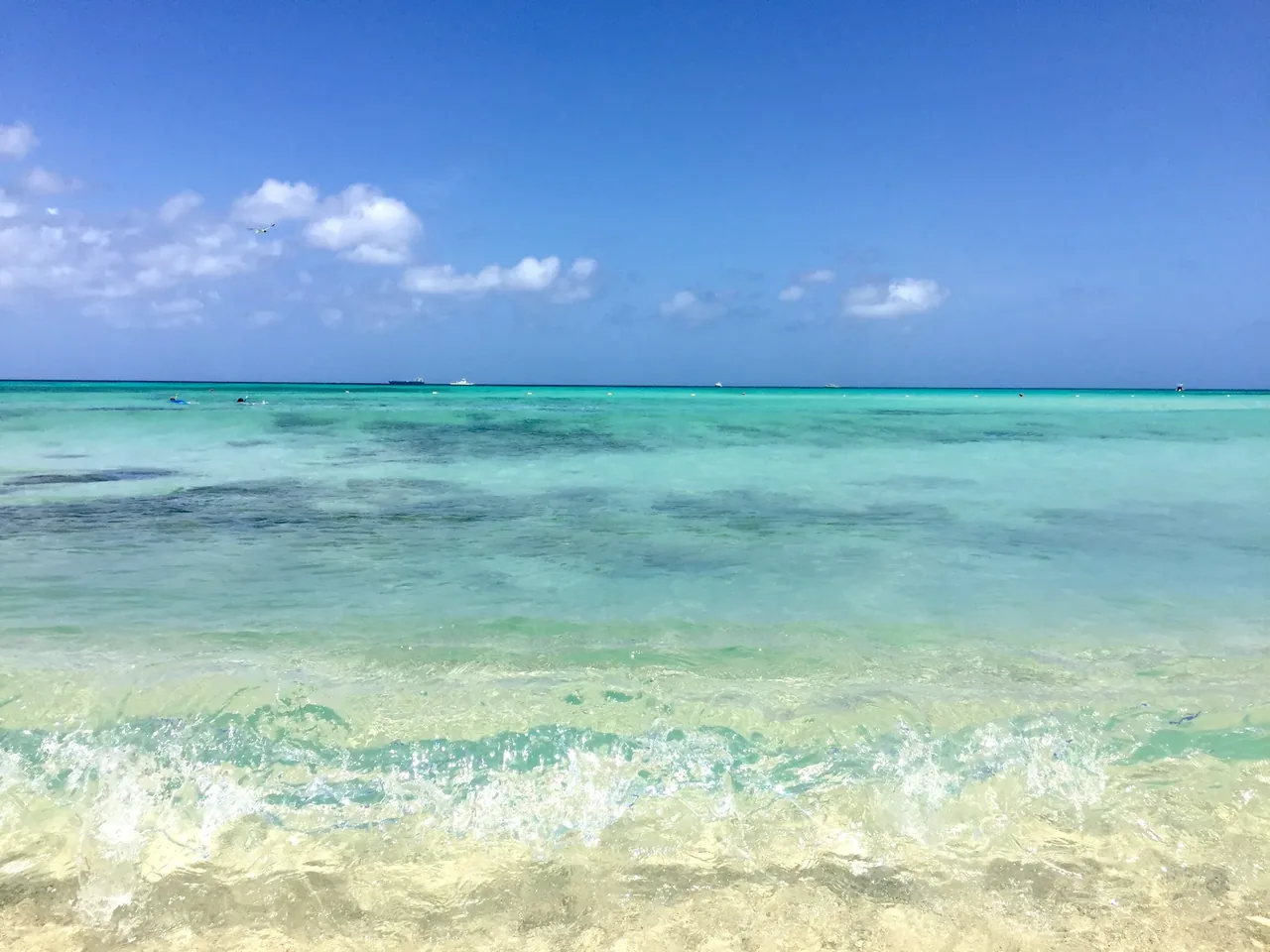
Montego Bay's tourist areas see lower rates of violent crime than the rest of the country, but Jamaica requires more care than anywhere above it. The advisory has described violent crime as statistically high nationwide, named Do Not Travel neighborhoods across several parishes, and told US government staff not to use public buses or drive between cities after dark. Follow the same rules.
Advisory: Level 2, Exercise increased caution (as of June 2026). Full guide: Montego Bay.
10. Corn Islands, Nicaragua
Day to day, the islands are small, remote and tourism-dependent, the kind of place where visitors get looked out for; the people I met on the crossing to Little Corn kept stopping by to visit. The risk sits at the national level instead. Nicaragua's rating is driven by arbitrary enforcement of laws, the risk of wrongful detention and limited healthcare, and those follow you onto the boat. Travel insurance with medical evacuation cover is essential.
Advisory: Level 3, Reconsider travel (as of May 2026). Full guide: Corn Islands.
What applies everywhere in the Caribbean
Even on the safest islands, the same principles hold. Don't walk isolated beaches or streets alone after dark. Don't leave valuables visible on the sand. Trust your gut when something feels off. Contact your accommodation before you arrive so someone is expecting you, and check the current advisories close to your departure date.
Crime in the Caribbean concentrates in specific neighborhoods and specific behaviors. The overwhelming majority of solo travelers have uneventful, wonderful trips.
Where to go next
- the overall island ranking, since safety is only one input.
- the Aruba guide, for the island at the top of this list.
- every Caribbean guide on one page, grouped by where the islands sit, for the islands beyond this list.
Common questions
What is the safest Caribbean island for solo travelers?
Aruba, in my experience, and it has long held one of the lowest US State Department advisory levels. Bonaire, Barbados and Curaçao are close behind.
Is the Caribbean safe for solo travelers?
On most islands, yes, but it varies enormously between them and even between neighborhoods on the same island. The islands on this list span several advisory levels, so check the current advisory for your specific destination.
Which Caribbean islands should solo travelers be more careful in?
Jamaica, whose advisory has named Do Not Travel neighborhoods, and destinations in Nicaragua and Colombia, which have carried serious country-wide ratings. On Sint Maarten, isolated areas around Philipsburg after dark warrant more caution than the French side.