Solo Travel Guide to Vieques, Puerto Rico
Wild horses, a bioluminescent bay, and beaches with nobody on them. Vieques rewards travelers who don't mind a little friction.
Quick facts
- Region
- Vieques, Puerto Rico, USA
- Best months
- Dec–April
- Typical temperature
- ~29°C / 84°F
- Getting There
- Ferry from Ceiba or small plane
- Budget
- Mid-range
- Solo Safety
- Excellent
- Top Experience
- Bioluminescent bay at night
- Unique Feature
- Wild horses on the beach
- Best Beach
- Sun Bay or Media Luna
My trip
- Visited
- July 2024
- Length
- A week to ten days
- Stayed
- The Vieques Guesthouse, Esperanza
- Got around by
- Vieques Air Link from Culebra; Jeep Wrangler rental
- Travel style
- Mid-range
Vieques is wild in a way few Caribbean islands still are: horses on the roads, a bay that glows at night, beaches at the end of dirt tracks. I flew in on Vieques Air Link from Culebra, rented a Jeep Wrangler, and stayed at The Vieques Guesthouse in Esperanza.
Vieques is Puerto Rico's most spectacular secret: a small island municipality 13 kilometers off the main island's east coast, home to wild horses that roam the streets and beaches, and Mosquito Bay, the world's most luminous bioluminescent bay. Being a US territory means US dollars, English widely spoken, no passport required for US citizens, and safety infrastructure that makes solo travel unusually comfortable by Caribbean standards.
What to Know Before You Go to Vieques
Two things about Vieques don't apply to anywhere else in Puerto Rico, and both are worth knowing before you book.
The former Navy range. The US Navy used two-thirds of Vieques as a bombing and training range until 2003. Large areas are still under federal cleanup for unexploded ordnance, are fenced and signed, and are closed to the public. The rule is simple and absolute: stay on marked trails and beaches, and never touch metal debris on the ground or in the water. The signs are not a formality.
The bioluminescent bay. Mosquito Bay is among the brightest in the world, and it is a protected reserve with rules that exist because visitors damaged it. Swimming is not permitted, and neither are sunscreen, insect repellent or anything else that washes off skin into the water, the chemicals harm the organisms that produce the light. Tours run by kayak or electric boat on moonless nights, when the display is strongest; a full moon washes it out entirely. Book around the lunar calendar, not just your dates, or you will pay for a tour and see very little.
Power and logistics. Grid power is less reliable here than on the main island, so a torch and a power bank belong in your bag. There is no substantial public transport. Públicos run informally from the ferry dock, and most visitors rent a jeep. Cash matters more than on the mainland.
Getting There: The Ferry Is Cheap and It Is Not Simple
Two ways in: the ferry from Ceiba on Puerto Rico's east coast, or a short flight from San Juan, Isla Grande or Ceiba. The ferry is dramatically cheaper. It is also the thing most likely to disrupt your plans, so understand it before you commit.
The ferry is cheap, takes roughly 30 to 60 minutes depending on the vessel, and departs from the Ceiba terminal at the old Roosevelt Roads naval base, 75 to 90 minutes' drive from San Juan airport, so allow two hours in traffic.
Only a portion of tickets sell online, through puertoricoferry.com; the rest are sold at the terminal window. So "sold out" online does not mean sold out. Reports vary on the exact split, but the practical upshot is consistent: check online first, and if it shows nothing, the window may still have seats.
Residents board first, and residents get purchase priority as availability drops. That is deliberate and correct (islanders depend on this boat for medical appointments, school and work) but it means a visitor is genuinely last in line on a busy day.
Arrive an hour before departure. Check-in closes shortly before the boat goes and turning up fifteen minutes ahead will not get you on.
Two situations where you should just fly. Holiday weekends and the December-to-April high season, when tickets are not guaranteed at all. And any day where missing the boat wrecks something expensive. The standard local advice is to fly one direction and take the ferry the other, which caps your exposure.
Two more things. Commuter flights to Vieques don't operate after dark, so a late arrival into San Juan means overnighting on the main island. And you cannot take a rental car across on the cargo ferry. Vehicle space is reserved for residents. Rent on Vieques instead, and book it before you arrive, because the fleet is small.
Winter crossings can be rough. Sit mid-vessel if you're prone to seasickness.
Mosquito Bay: The World's Brightest Bioluminescent Bay
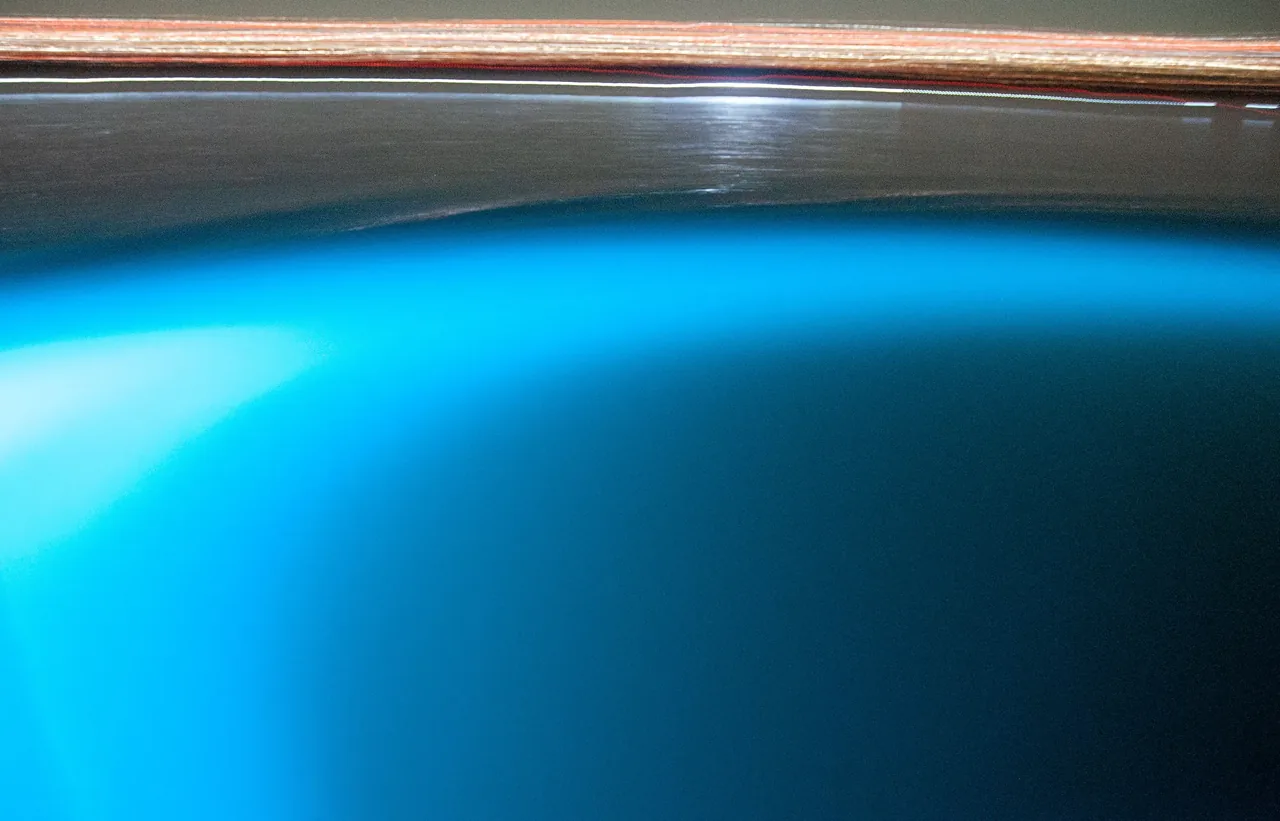
Mosquito Bay (Bahía Mosquito) holds a Guinness World Record for the highest concentration of bioluminescent dinoflagellates, the tiny organisms that glow when disturbed. On a moonless night, every movement through the water leaves a trail of blue-green light. You can tour the bay by kayak (the most immersive experience. Your paddle strokes leave streaks of light), electric pontoon boat (no wake disrupts the bay), or swimming (limited operators for conservation reasons). Book your tour well in advance. This is the reason most people come to Vieques and spots fill up quickly.
I did the bioluminescent boat tour in Mosquito Bay myself, and it's the one experience on the island I'd tell anyone not to skip.
The Beaches: Undeveloped and Extraordinary
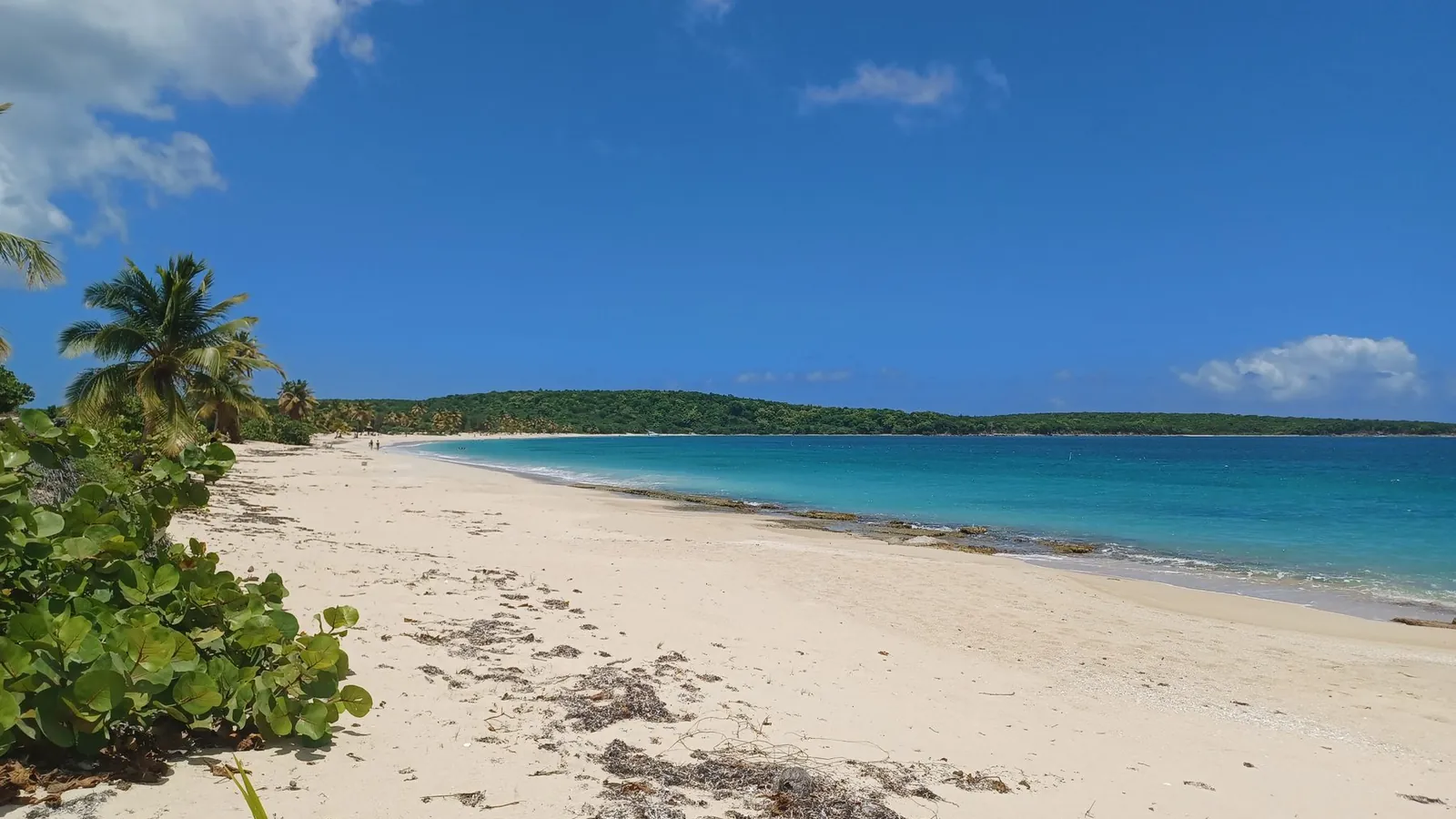
Large portions of Vieques were previously US Navy land, returned to Puerto Rico in 2003 and now managed as a National Wildlife Refuge. The result is miles of beaches that are largely undeveloped and empty even in high season. Playa La Chiva (Blue Beach) and Playa Caracas (Red Beach) are among the most beautiful in the Caribbean: clear turquoise water, coral for snorkeling, and almost nobody there. A rental car or jeep is essential to reach them. Sun Bay, right next to Esperanza, is the easy one, developed, close to town, and the one to pick if you don't want to drive. Playa La Plata and Mosquito Pier are further options if you want to keep exploring beyond the refuge beaches; the pier in particular is a well-known spot for snorkeling and occasional bioluminescence sightings of its own.
My goal was to see every top-rated beach on the island, and it taught me something worth passing on: the most beautiful beaches can be the most hazardous too. Vieques was a military testing ground, so stay on the beaten path and resist the urge to explore beyond the marked routes.
The Wild Horses
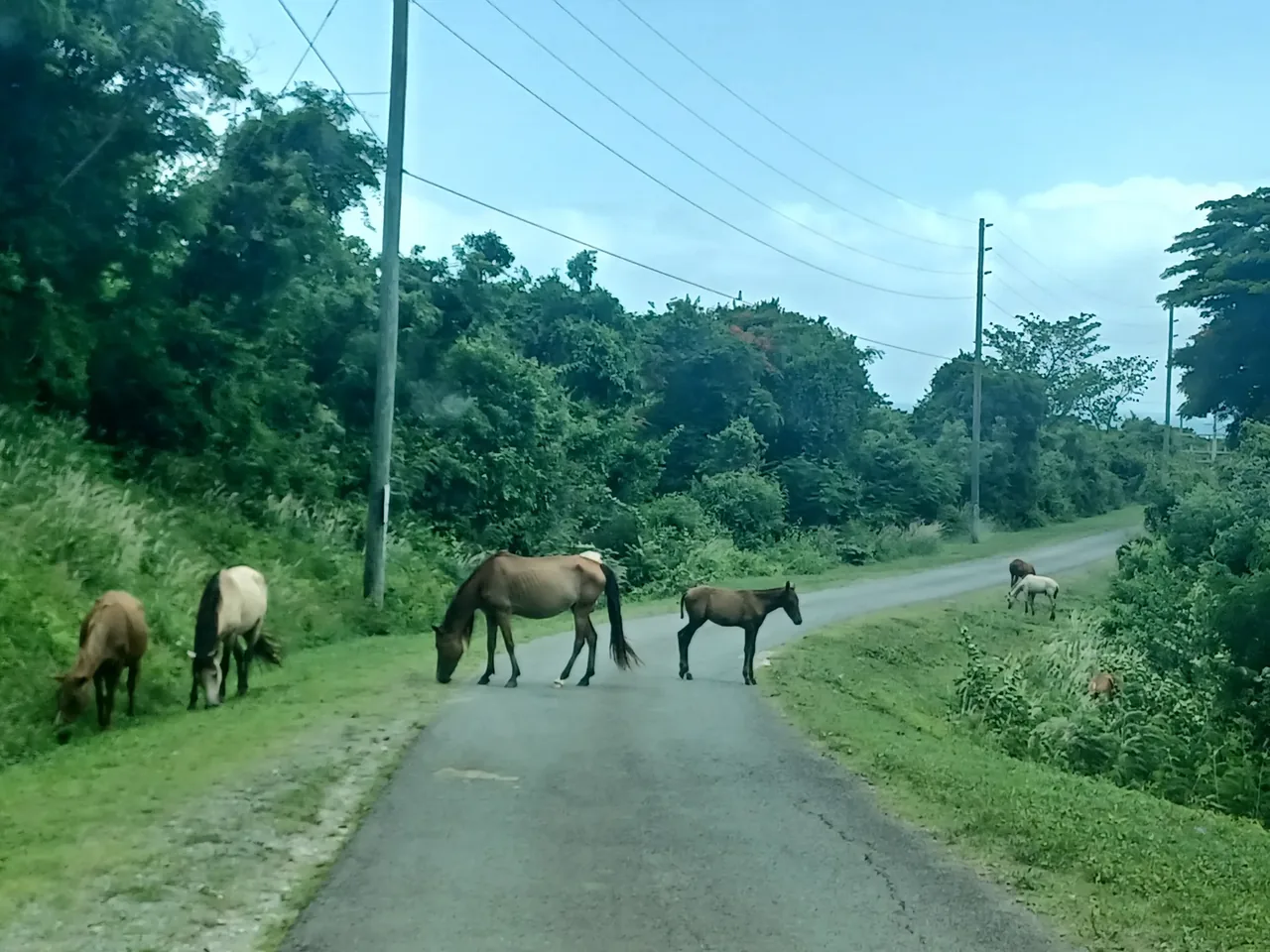
Paso Fino horses have roamed freely on Vieques for centuries, descended from horses brought by Spanish colonists, they're now protected and considered part of the island's culture. You'll encounter them on beaches, on roadsides, and in the town of Esperanza at sunset. Don't feed them; do photograph them extensively.
Keep an eye out for them while driving, too. They roam onto the roads without warning.
The Sugar Mill Ruins
The Playa Grande Sugar Mill ruins are free to enter, at your own risk, and the risk is real: the brick arches look as though they could collapse at any moment. What stayed with me more was the weight of the place. Standing among surfaces once touched and walked by enslaved people, I found the air heavy. It wasn't so long ago that this was what it was, and it was a lot to process.
Getting to Vieques
Two options: the ferry from Ceiba on Puerto Rico's east coast (about 1 hour, cheap but frequently delayed and books up, reserve in advance online through the Puerto Rico Port Authority) or a small plane from San Juan (Isla Grande Airport or Loquillo) or Ceiba, about 15–20 minutes and very reasonable. With luggage, I'd recommend the plane. I flew in from Culebra on Vieques Air Link. The ferry situation is notoriously unreliable.
Practical Info for Your Trip
- Best time to visit: December through April. July is hot and humid with afternoon storms. The bio bay tours still run and the beaches are beautiful, but it's the least comfortable weather of the year.
- Getting around: Rent a car or jeep, the best beaches require it. There's a local taxi service (públicos) but limited.
- Where to stay: Esperanza on the south coast is the main town for guesthouses and restaurants. Charming, small, and low-key.
- Where to eat: the grilled octopus at El Blok hotel was amazing.
- Currency: USD. It's a US territory.
- Official advisory: None applies. Puerto Rico is a US territory, so it sits outside the State Department advisory system entirely. Crime figures come from the Puerto Rico Police Bureau.
Where to go next
- Rincón, the west-coast surf town, easier to reach and easier to leave.
- the island comparison, for the wider Caribbean picture.
What the official advice says
Puerto Rico is a US territory, so no State Department travel advisory applies. Crime figures come from the Puerto Rico Police Bureau and the FBI's Uniform Crime Reporting programme instead.
Source: U.S. Department of State. Checked 16 August 2026. Advisory levels change, so check the source before you book.
Common questions
Is Vieques safe to visit after the Navy bombing range?
The inhabited parts and public beaches are open and safe. Large areas remain under federal cleanup for unexploded ordnance and are fenced and signed as closed. Stay on marked trails and beaches and never handle metal debris you find on the ground or in the water.
When should you book a bio bay tour?
Around the moon rather than around your calendar. The display is brightest on moonless nights and a full moon washes it out almost completely, so a tour booked on the wrong date is money spent on very little.
How do you get to Vieques?
Ferry from Ceiba or a short flight from San Juan or Ceiba. Both cancel more often than you would like and both sell out in high season, so book ahead and keep your onward plans loose on travel days.