Solo Travel in Cuba: Havana, Safety, and the Money Problem
Crumbling beauty, extraordinary music, and a country where almost nothing works the way you expect. Plan more than you normally would.
Quick facts
- Region
- Havana, Cuba
- Best months
- Nov–April (dry season)
- Typical temperature
- ~25°C / 77°F
- Airport
- José Martí (HAV)
- Budget
- Budget-friendly
- Solo Safety
- Generally safe for tourists
- Don't Miss
- Live son cubano in Centro
- Icon
- Classic American cars
- Currency
- Ask locals, two systems
My trip
- Visited
- November 2015
- Length
- A week to ten days
- Stayed
- Casas particulares: Havana, Trinidad, Holguín, Santiago, Guardalavaca
- Got around by
- Viazul buses between cities; rental car
- Travel style
- Budget-friendly
Cuba is a country to travel through rather than simply visit. I started in Havana and kept going, to Trinidad, Holguín, Santiago and finally Guardalavaca, riding the Viazul bus between cities, renting a car everywhere else, and sleeping in casas particulares the whole way.
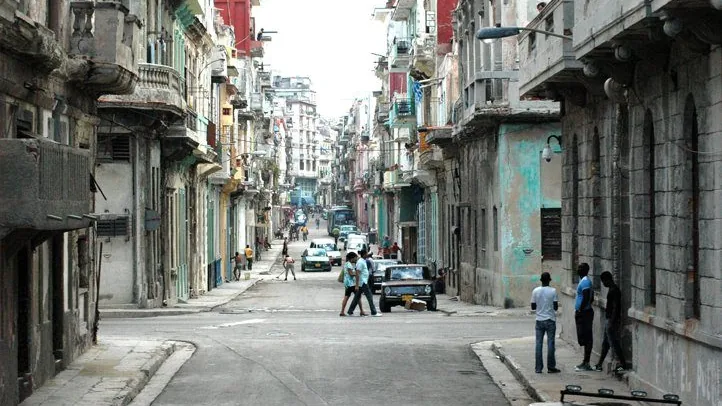
Havana is one of those cities that's impossible to describe neutrally. It's beautiful and crumbling, warm and complicated, unlike anywhere else I've traveled. Going in November travelling solo, I found a city that was easier to navigate than I'd expected. Cubans are genuinely warm toward tourists, Old Havana is compact and walkable, and the music alone is worth the trip.
Before Anything Else: US Travelers Can't Go as Tourists
This is the most important thing on the page and most Havana guides bury it or skip it.
US law prohibits travel to, from, or within Cuba for tourist activities. The restriction is administered by the Treasury Department's Office of Foreign Assets Control, and it applies to all US citizens and residents wherever they are, plus anyone physically in the United States regardless of nationality. Travel happens under one of a set of authorised categories (support for the Cuban people, journalism, family visits, educational activity and others) each with its own record-keeping obligations.
None of that makes a trip impossible. It does mean "book a flight and go lie on a beach" is not a lawful plan for a US traveller, and that you need to understand which category you're travelling under before you book. If you hold a passport from somewhere else, none of this applies to you and you can ignore it entirely.
Is Havana Safe for Solo Travelers?
The US State Department rates Cuba at Level 2, Exercise increased caution (as of May 2025), and the reasons it has given, crime and unreliable electrical power, are an unusual pairing that tells you most of what's distinctive about traveling here.
On crime, the advisory describes petty theft as the main risk to visitors: pickpocketing, purse snatching, car break-ins. It also notes that violent crime including armed robbery and homicide is on the rise, which is a change from Cuba's long-standing reputation and worth knowing if you're going on the strength of guidance written a few years ago.
The power grid is the part that will actually shape your trip. Cuba has experienced repeated nationwide grid failures, and the advisory lists this as a formal reason for the rating. In practice: blackouts lasting hours, lifts and air conditioning out, card machines down, water pumps stopping in taller buildings, and streets genuinely dark at night. For a solo traveller this is less a safety threat than a planning constraint: carry a torch and a power bank, keep your phone charged when power is on, and don't count on being able to withdraw or pay electronically.
Money. US-issued credit and debit cards do not work in Cuba. You bring physical cash and you bring enough, because there's no fallback if you run out.
The everyday friction is jineteros, hustlers offering cigars, restaurant recommendations or "help" that turns out to have a price. Persistent, rarely threatening. A firm no, gracias and continuing to walk works. Solo travellers get more of this attention than groups do; walking like you know where you're going reduces it considerably.
Old Havana (Habana Vieja): Where to Spend Your Days
Old Havana is a UNESCO World Heritage Site and the most walkable, safest, and most visually extraordinary part of the city. The four main plazas (Plaza de Armas, Plaza Vieja, Plaza de la Catedral, and Plaza de San Francisco) each have their own character and are connected by narrow colonial streets. Allow at least a full day just for wandering.
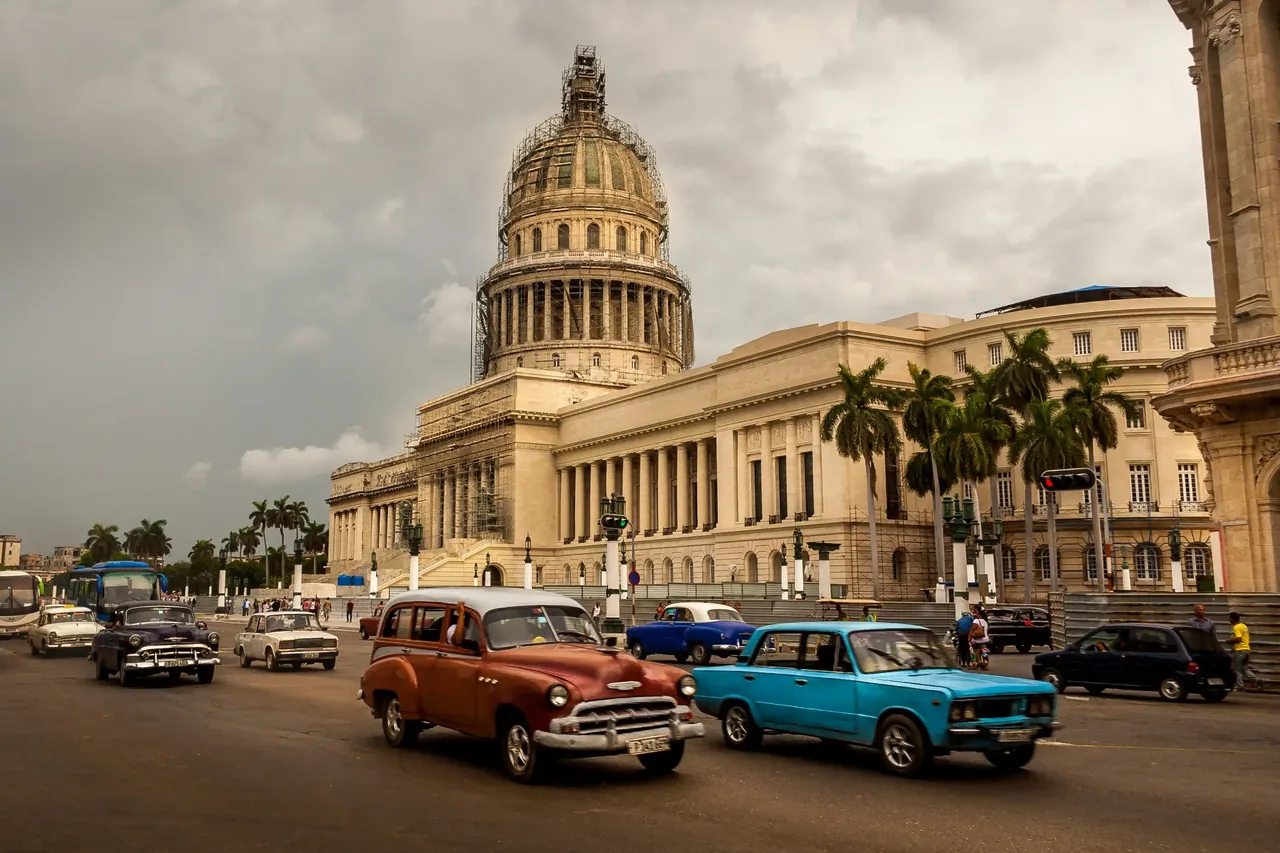
The Malecón, the famous seafront promenade, is best at sunset when locals gather to sit, talk, and play music. It stays busy into the evening and is one of the most atmospheric places in the city for a solo walk. The usual city rules apply after dark.
A City Like a Stage Set
Havana is full of character and, at the same time, on the verge of collapse. At times I felt as though I were in a theater. The facades of the buildings are beautiful, and then you peek through a doorway and, instead of the rest of the building, there's an overgrown yard full of weeds. The beauty is real; sometimes it's just one wall deep.
Where to Stay: Casas Particulares
My stays: casas particulares the whole way, in Havana and in every city after. In every one of them, breakfast was the same spread, as though they all follow the same rules, and it was lovely. In Havana we all ate breakfast together at the dining table.
Stay in a casa particular, a licensed private home where a Cuban family rents out rooms. They're more affordable than hotels, more comfortable, and the hosts are invaluable sources of local knowledge. For solo travelers, casas offer a built-in safety network, your host family knows where you're going and when to expect you back. Book through Airbnb or AirBnb's Cuba listings, or through dedicated Cuba travel sites.
Eating in Paladares
For dinner, eat at the paladares, family-owned private restaurants serving authentic local cuisine in cozy courtyards, away from the main tourist hubs. Getting to one is half the experience. Often you have to pass through someone's living room, where someone might be watching TV, and you basically walk through a family's home to reach the courtyard at the back. I ate so much lobster on this trip, and the prices were amazing.
Music: The Real Reason to Come
Cuba's music culture is not a tourist show. It's woven into daily life. The best of it happens in small venues and casas de la trova rather than in tourist-facing restaurants. La Bodeguita del Medio is famous and priced accordingly; your casa host will know where people actually go, and asking is the single most useful question you can put to them.
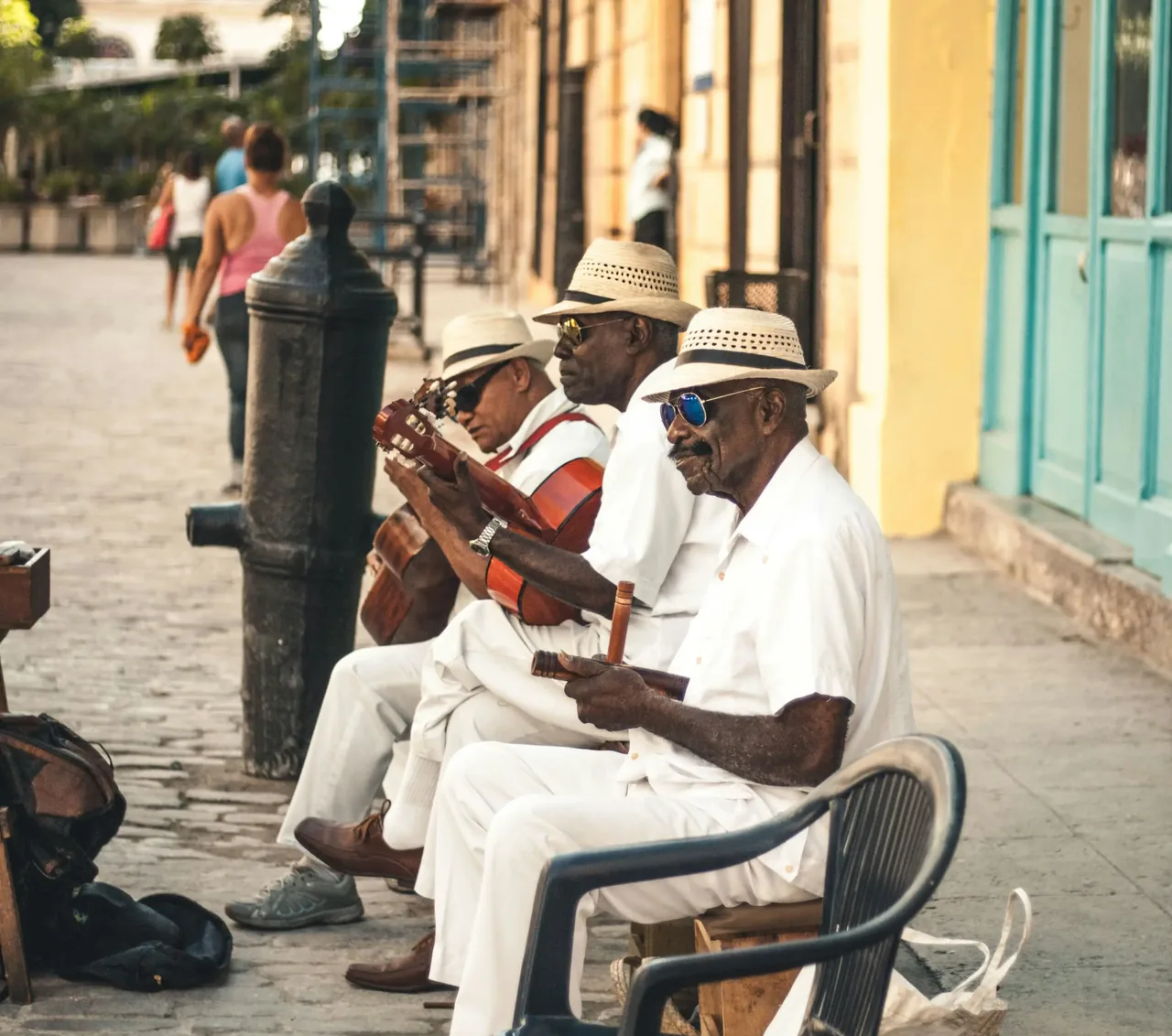
If you can be in Havana on a Sunday, go to Callejón de Hamel.
It's a two-block alley in Centro Habana, covered end to end in Afro-Cuban murals and mosaics by the artist Salvador González, built from recycled material, dedicated to Santería and Afro-Cuban folklore. You can walk it any day of the week. But on Sunday around midday, live drummers set up and the alley holds a rumba: the Afro-Cuban tradition that everything else in Cuban music, son and salsa included, was eventually built on.
What makes it worth planning around is the format. There's no stage and no audience section. Everyone in the alley is in the same space, and dancing isn't a performance you watch, it's a thing happening around you that you can join. Locals and visitors both turn up. It's free.
Two honest caveats. The musicians play for tips and you should leave some, but you will also be asked for money repeatedly through the afternoon, sometimes every ten or fifteen minutes, and that gets wearing. Decide what you're giving before you arrive and be relaxed about saying no after. And it gets hot and crowded in a narrow alley with no shade, so dress to move.
Why this suits solo travel unusually well. Standing, unticketed, participatory, in daylight, in a crowd, none of the friction of turning up alone at a night venue. You don't need anyone with you and nobody will notice you're by yourself.
For evenings, Casa de la Música has branches in Centro Habana and Miramar and is the reliable option for live salsa with a real band and a real dance floor. Going alone to any of these is entirely normal, and you will often be dancing with strangers within the hour whether or not that was the plan.
Beyond Havana
Havana was the beginning, not the whole trip. I continued on to Trinidad, Holguín and Santiago de Cuba, riding the Viazul bus between cities and renting a car everywhere else. The reward at the end was Guardalavaca on the north coast, where the beaches are beautiful.
The Currency Situation
Cuba operates on a single currency (Cuban Peso, CUP) since unifying its dual currency system. US dollars are technically not accepted in Cuban banks and ATMs due to the embargo, bring Euros or Canadian dollars and exchange at a CADECA (exchange bureau). Cards from US banks do not work in Cuba. Bring enough cash for your entire trip plus a buffer; running out of money in Cuba is a real logistical problem.
Getting Online
Internet in Cuba runs through one state operator, ETECSA, and none of it works the way you're used to. Options have ranged from a tourist SIM bought at the airport to roaming eSIMs and slow public wi-fi hotspots, so check what's available before you go. Coverage thins out fast beyond Havana, and the network goes down when the power does. Download offline maps, translations and anything else you'll need before you board.
Practical Info for Your Trip
- Best time to visit: November through April (dry season). November is excellent: post-hurricane season, before peak crowds, pleasant temperatures around 26°C/79°F.
- Getting there (from the US): Direct flights from Miami, New York, and other US cities operate under specific authorized categories. US travelers should check current OFAC regulations before booking.
- Internet: Limited and unreliable. Cuba uses ETECSA WiFi cards for internet access, available at hotels and ETECSA offices. Manage your expectations. Being offline is part of the experience.
- Health: Travel with comprehensive health insurance. Cuba has a good public health system but tourist medical facilities expect payment in cash.
- Solo safety rating: Good in tourist areas. Requires patience with persistent attention but not genuinely threatening.
Where to go next
- the Dominican Republic, the nearest easy Caribbean beach trip with none of the legal complications.
- Montego Bay, a different Caribbean again, and a very different advisory.
What the official advice says
Cuba, Level 2: Exercise increased caution (Crime, Other)
Source: U.S. Department of State, issued May 2025. Checked 16 August 2026. Advisory levels change, so check the source before you book.
Common questions
Can Americans legally travel to Cuba?
Not for tourism. US law bars travel to Cuba for tourist activities, administered by the Treasury's Office of Foreign Assets Control, and it covers all US citizens and residents wherever they are. Travel is possible under authorised categories such as support for the Cuban people or journalism, each with record-keeping requirements. Travelers on non-US passports are unaffected.
Is Havana safe for solo travelers?
Cuba's US advisory has cited crime and unreliable electrical power. Petty theft is the main risk to visitors, though the advisory has noted violent crime including armed robbery, which contradicts Cuba's older reputation. Blackouts are the thing most likely to affect a solo trip day to day.
Will my credit card work in Cuba?
No. US-issued cards do not function in Cuba at all, and repeated power failures take card terminals offline even for cards that would otherwise work. Bring enough physical cash for the whole trip plus a margin, because there is no backup if you run short.
How bad are the power cuts in Havana?
Bad enough that the State Department lists unreliable electricity as a formal reason for Cuba's advisory rating. Expect outages lasting hours, with air conditioning, lifts, water pumps and payment terminals all going down together. Pack a torch and a power bank and charge everything whenever the power is on.