Rio de Janeiro Solo Travel: Safety, and What to Do Alone
Rio is stunning, complicated, and absolutely doable alone. Provided you take the local advice about neighbourhoods seriously.
Quick facts
- Region
- Rio de Janeiro, Brazil
- Best months
- May–June or Sept–Oct
- Typical temperature
- ~26°C / 79°F
- Airport
- Galeão (GIG)
- Budget
- Mid-range
- Solo Safety
- Moderate. Stay alert
- Best Beach
- Ipanema
- Don't Miss
- Local carnival blocos
- Icon
- Christ the Redeemer
My trip
- Visited
- October 2017
- Length
- A week to ten days
- Stayed
- Sol Ipanema Hotel
- Got around by
- Public buses
- Travel style
- Mid-range
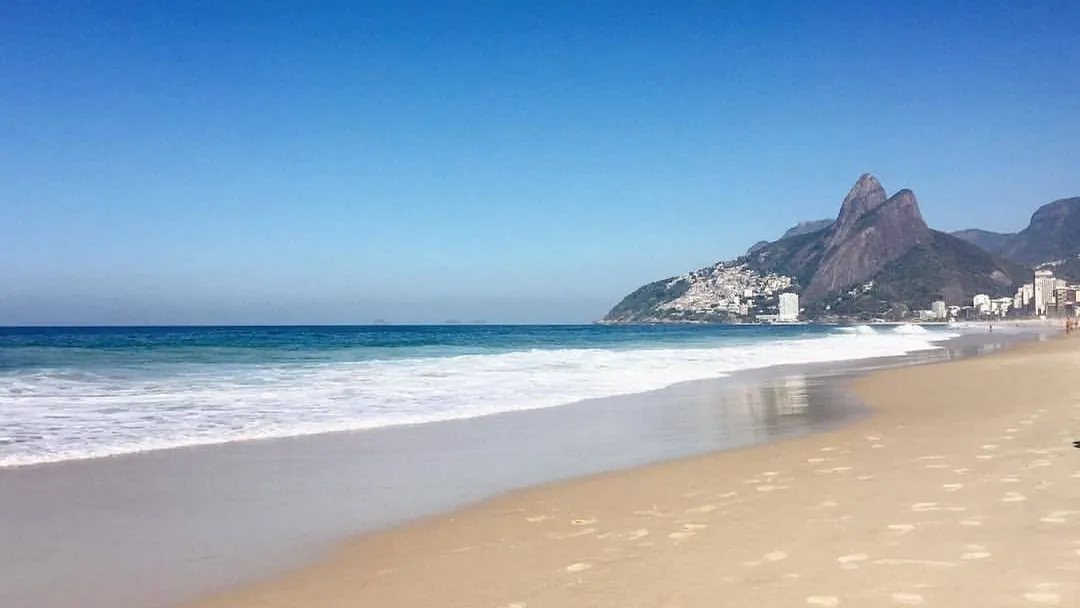
Rio is lived on the sand. I stayed at the Sol Ipanema Hotel, right on the beach, took public buses everywhere, and spent most of my days the Carioca way: no cooler, a caipirinha made to order, and vendors bringing everything else.
Let me be honest upfront: Rio requires more situational awareness than most of the destinations on this site. The city is extraordinary, arguably one of the most visually dramatic cities on earth, but it also has real safety considerations that any solo traveler needs to know before arriving. I went in October and had a genuinely wonderful trip. Here's what I found.
Safety in Rio: What Solo Travelers Need to Know
The US State Department rates Brazil at Level 2, Exercise increased caution (as of May 2025), with crime and kidnapping listed. The number alone isn't the story. The advisory's specific instructions are.
It names three no-go categories outright, and one of them is the reason most Rio guides are irresponsible:
- Informal housing developments (favelas, vilas, comunidades) at any time. Not "at night," not "unless with a guide." At any time. Favela tours are widely sold in Rio and this is the official position on them.
- Anywhere within 160km of Brazil's land borders (Foz do Iguaçu and Pantanal national parks excepted).
- Brasília's satellite cities at night.
The country summary is blunt: violent crime including murder, armed robbery and carjacking occurs in urban areas, day and night.
None of which describes the neighbourhoods you'll actually be in. Ipanema, Leblon, Copacabana, Santa Teresa and Lapa are heavily policed and visited by millions without incident, and Rio's tourist areas have seen violent crime fall for three consecutive years. Tourist police patrol the main beach corridors through the day and evening. The gap between Zona Sul and the areas the advisory is describing is enormous and measurable in city blocks.
What actually happens to visitors is opportunistic and quick: phone snatching, often from motorbikes, bag theft on the beach, pickpocketing, and distraction scams. Rarely confrontational, and largely avoidable.
What actually happened on my trip. Before I went, I was told Rio wasn't safe and that everyone would be after me. That isn't what I found. Getting off a public bus one day, my wallet spilled open and change scattered everywhere, and at least three people bent down to pick it up and hand it back. I felt safe walking around Ipanema, on my own and after dark. The advisory deserves respect, but it doesn't describe every street.
Three additions worth knowing. Use ATMs inside bank branches in daylight rather than on the street. Don't open banking or payment apps in public. Express kidnapping targeting phone-based transfers is a documented pattern here. And crime against tourists rises measurably around Carnival, which is the one time of year to be more careful rather than less.
Ordinary habits still matter: bring only the cash you need for the day, keep jewelry minimal, and choose your neighborhood carefully. I stayed in Ipanema, expensive by Brazilian standards and the part of the city where I felt most at ease.
Ipanema vs. Copacabana: Where to Base Yourself
My stay: the Sol Ipanema Hotel, right across from the beach. Breakfast was included, and there's a pool on the roof, though it's really there for the views. Being directly opposite the sand had an unexpected perk: I could still pick up the hotel wifi on the beach.
Ipanema is quieter, more upscale, and slightly safer, my recommendation for solo travelers. The beach is beautiful and the neighborhood has excellent restaurants, bars, and a strong expat community. Copacabana is livelier and more touristy, with a famous waterfront promenade, great for daytime, but requires more awareness at night. Both are on the same stretch of coast and easy to access from each other.
A Day on the Sand, the Carioca Way
Brazilian beach culture runs on its own logic, and it's worth understanding before you pack a cooler. You don't bring food or drinks to the beach, because you don't need to. Vendors sell nearly everything on the sand, from grilled cheese and nuts to sandwiches and empanadas, and each posto (the numbered lifeguard stations that divide the beach) has its own drink stand, run by the people who work that stretch. They'll make your drink however you like it. I took my caipirinha with half the usual sugar and rum in place of cachaça, and asked them to go easy on the strength.
That's how I spent most of my days. The other indulgence I'd recommend: a Brazilian keratin treatment, known locally as escova progressiva. I speak Spanish but not Portuguese, so negotiating it was half the fun, and my hair looked gorgeous for a good while afterward.

The Views: Cristo Redentor and Pão de Açúcar
Cristo Redentor (Christ the Redeemer) on Corcovado mountain is one of those landmarks that's even more impressive in person than in photos. Go early, the morning mist often clears by 9am and the views before crowds arrive are extraordinary. Book tickets online in advance, especially for October weekends.
Sugarloaf Mountain (Pão de Açúcar) involves two cable car stages and delivers 360° views over the bay, the beaches, and the city skyline. The sunset from the top is one of the most spectacular urban views I've seen anywhere. Going solo is easy. You're in a cable car with other tourists and it's entirely safe.
Santa Teresa: Rio's Most Atmospheric Neighborhood
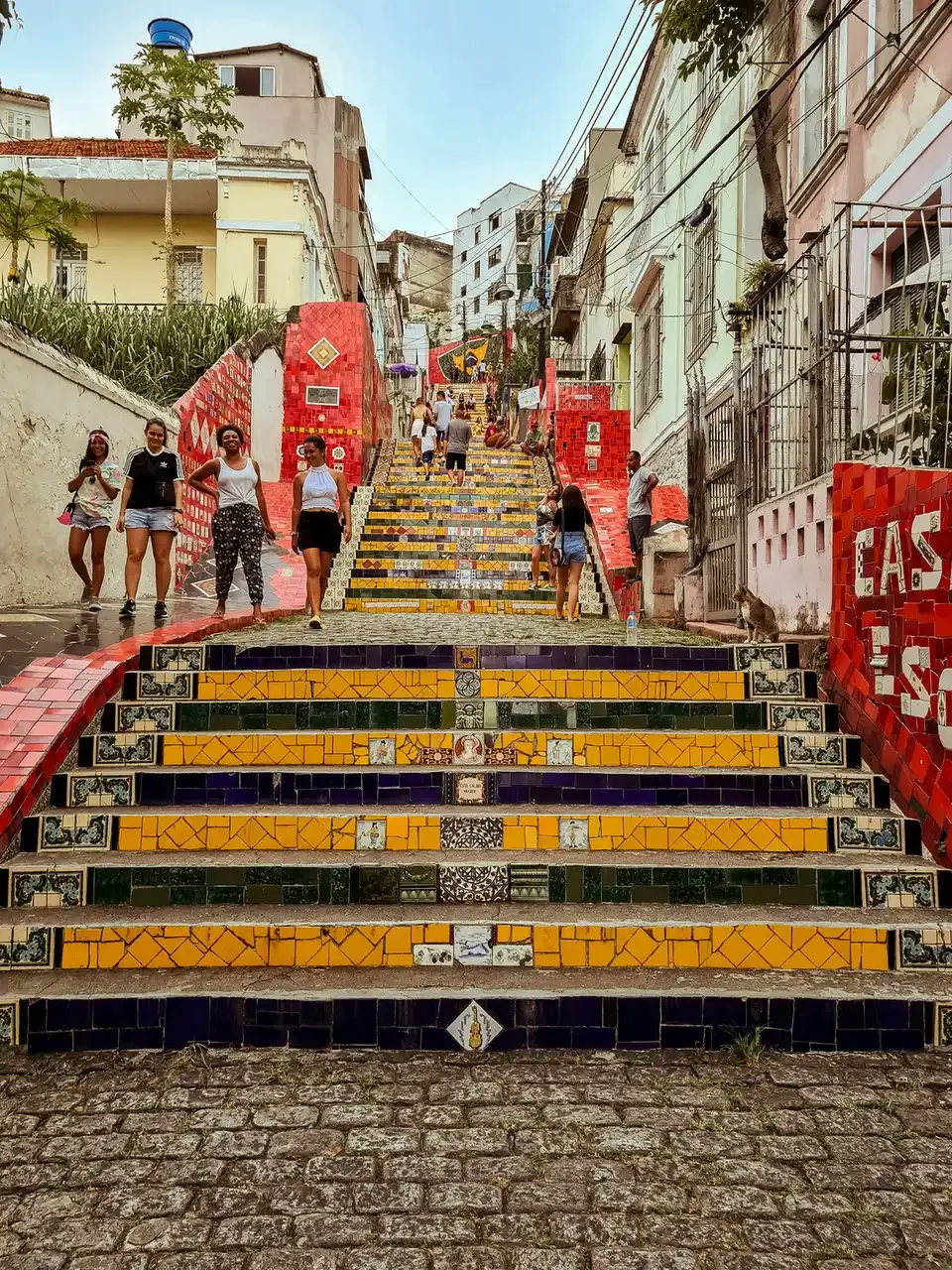
Santa Teresa is a hillside neighborhood with colonial architecture, art studios, and some of Rio's best restaurants and bars. The famous open-air tram (bonde) is a classic way to arrive. Daytime in Santa Teresa is excellent for solo exploration; evenings are best done in a group or by Uber rather than walking alone. Downhill toward the old port, Pedra do Sal is the birthplace of Rio samba and still hosts a free, informal street samba circle most Monday and Friday evenings, worth combining with a Santa Teresa day if the timing lines up.
October in Rio: What to Expect
October is spring in Rio, warm (mid-20s°C/mid-70s°F), with some afternoon showers. It's shoulder season between the quiet winter and the busy summer/Carnival period, which means reasonable prices, functioning infrastructure, and beaches that aren't overcrowded. A good time to go.
Practical Info for Your Trip
- Where to stay: Ipanema or Leblon for safety and comfort. Copacabana for budget options with beach access.
- Getting around: I took public buses everywhere. Uber is a reliable alternative after dark, and the metro links Ipanema and Copacabana to the city center.
- Visa: Brazil's entry rules depend on your passport and have changed over the years (US citizens, for example, have needed an e-visa since 2025). Check the US Embassy's guidance and the rules for your own passport before booking.
- Currency: Brazilian Real (BRL). Cards accepted widely; ATMs available throughout tourist areas.
- Language: Portuguese. English is spoken in hotels and tourist spots but less so on the street, a few Portuguese phrases go a long way.
- Getting there: Galeão International Airport (GIG) handles most international flights. Shuttle buses and Uber connect to the hotel zones.
- Solo safety rating: Moderate, manageable with preparation but requiring more vigilance than most destinations on this site. Do your research before going.
Where to go next
- Cartagena, the other South American coastal city here, and considerably gentler.
- Arraial do Cabo, about 2.5 hours east along the coast, is a popular weekend trip from Rio if you have extra days: clear water and beaches that get compared, not entirely fairly, to the Caribbean.
What the official advice says
Brazil, Level 2: Exercise increased caution (Crime, Kidnapping)
Source: U.S. Department of State, issued May 2025. Checked 16 August 2026. Advisory levels change, so check the source before you book.
Common questions
Is Rio de Janeiro safe for solo travelers?
Brazil's US advisory is specific where it matters: it has said not to enter favelas at any time, which rules out the favela tours widely sold in Rio. The South Zone beaches where visitors stay are heavily policed. Phone snatching and beach theft are the realistic risks.
Should I take a favela tour in Rio?
The US State Department advises against entering informal housing developments at any time, with no exception for guided visits. Plenty of operators sell these tours regardless. That is the official position and it is worth knowing before you book one.
How do you get around Rio safely?
Uber rather than street taxis, and the metro during the day between the South Zone and the centre. Keep your phone out of sight while walking, use ATMs inside bank branches in daylight, and avoid opening banking apps in public. Phone-based express kidnapping is a documented pattern here.
When is the best time to visit Rio?
Rio's dry, sunny stretch runs roughly May to October, with October offering warm weather before the summer crowds and prices. Carnival in February is extraordinary and is also when crime against tourists measurably rises, so it is the trip that needs the most planning rather than the least.