Solo Travel Guide to Cartagena, Colombia
A walled colonial city on the Caribbean coast, one of the most beautiful in the Americas, and manageable alone with a bit of street sense.
Quick facts
- Region
- Caribbean Coast, Colombia
- Best months
- Dec–April (less rain)
- Typical temperature
- ~31°C / 88°F
- Airport
- Rafael Núñez (CTG)
- Budget
- Budget to mid-range
- Solo Safety
- Good in Walled City & Getsemaní
- Must See
- Las Murallas (walled city)
- Day Trip
- Islas del Rosario
My trip
- Visited
- February 2024
- Length
- A week to ten days
- Stayed
- Casa Cordoba Roman, Centro
- Got around by
- Mostly on foot; boats to the Rosario Islands
- Travel style
- Budget to mid-range
Cartagena gives itself up on foot. Most of what I loved here, I found by walking: a borrowed chair outside a barbershop by the cathedral, a ceviche on Anthony Bourdain's trail, the Rosario Islands after the day boats had gone. My base was Casa Cordoba Roman in the historic center.
Cartagena is one of the most physically beautiful cities in the Americas: a 16th-century walled city with cobblestone streets, bougainvillea-draped balconies, and a Caribbean waterfront. It's also one of Colombia's most internationally visited cities, which means well-developed solo travel infrastructure and a comfortable environment for people traveling alone. August is rainy season: brief afternoon showers, lower hotel rates, and a city that's slightly less crowded than the December–April peak.
Is Cartagena Safe for Solo Travelers?
Colombia's US State Department rating, Level 3, Reconsider travel (as of March 2026), frightens people away from Cartagena unnecessarily, so it's worth understanding what it covers.
The rating is driven by crime, terrorism, civil unrest, kidnapping and natural disasters across a large country, and the advisory names its Do Not Travel areas precisely: the departments of Arauca, Cauca (excluding Popayán), Valle del Cauca (excluding Cali) and Norte de Santander, plus the strip within 10km of the Venezuelan border. Cartagena is in none of them. It sits in Bolívar department on the Caribbean coast, hundreds of kilometres from any of those areas.
That doesn't make Cartagena exempt. Advisories are issued per country and don't resolve to city level, so nobody can honestly certify it either way. But the specific conditions producing Colombia's rating are not the conditions in the walled city.
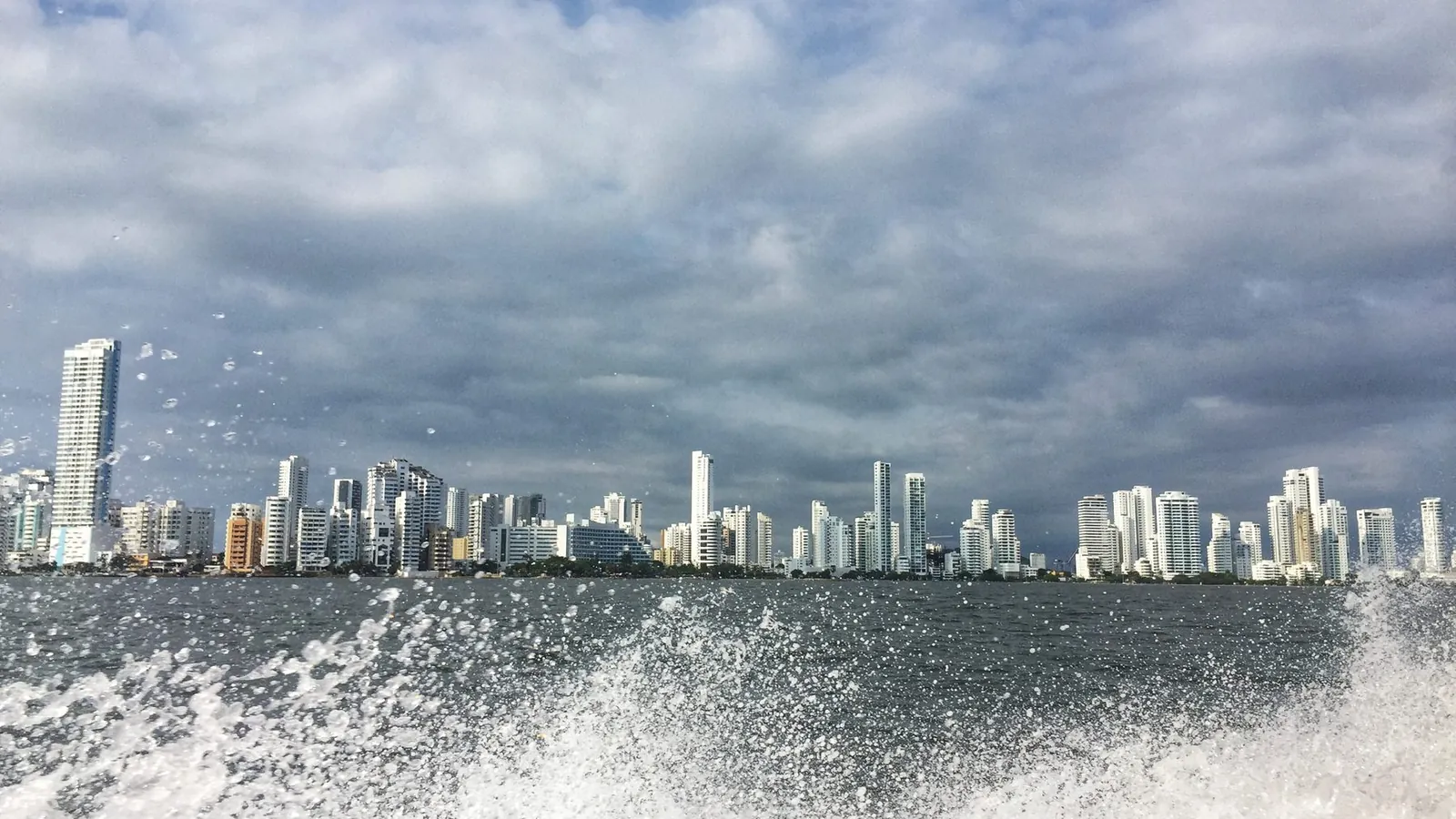
In practice: the Ciudad Amurallada and the Bocagrande strip are comfortable for solo travellers by day and through the evening: busy, well-lit and heavily policed, and eating dinner alone inside the walls is unremarkable. Getsemaní, just outside, has gentrified into the best neighbourhood for food and street art, and is fine by day and early evening while warranting more awareness late at night than the walled city does.
The practical rules: use Uber or InDriver rather than street taxis. This is the single most repeated piece of local advice. Keep your phone out of sight on the street. Take the day's cash rather than everything. And be firm with the persistent beach and street vendors in Bocagrande, who will quote a price after the fact if you let them start.
Colombia requires no visa for stays of 90 days or less, and yellow fever vaccination is required if you're arriving from certain countries. Check the current advisory before you book.
The Walled City: Where to Spend Your Time
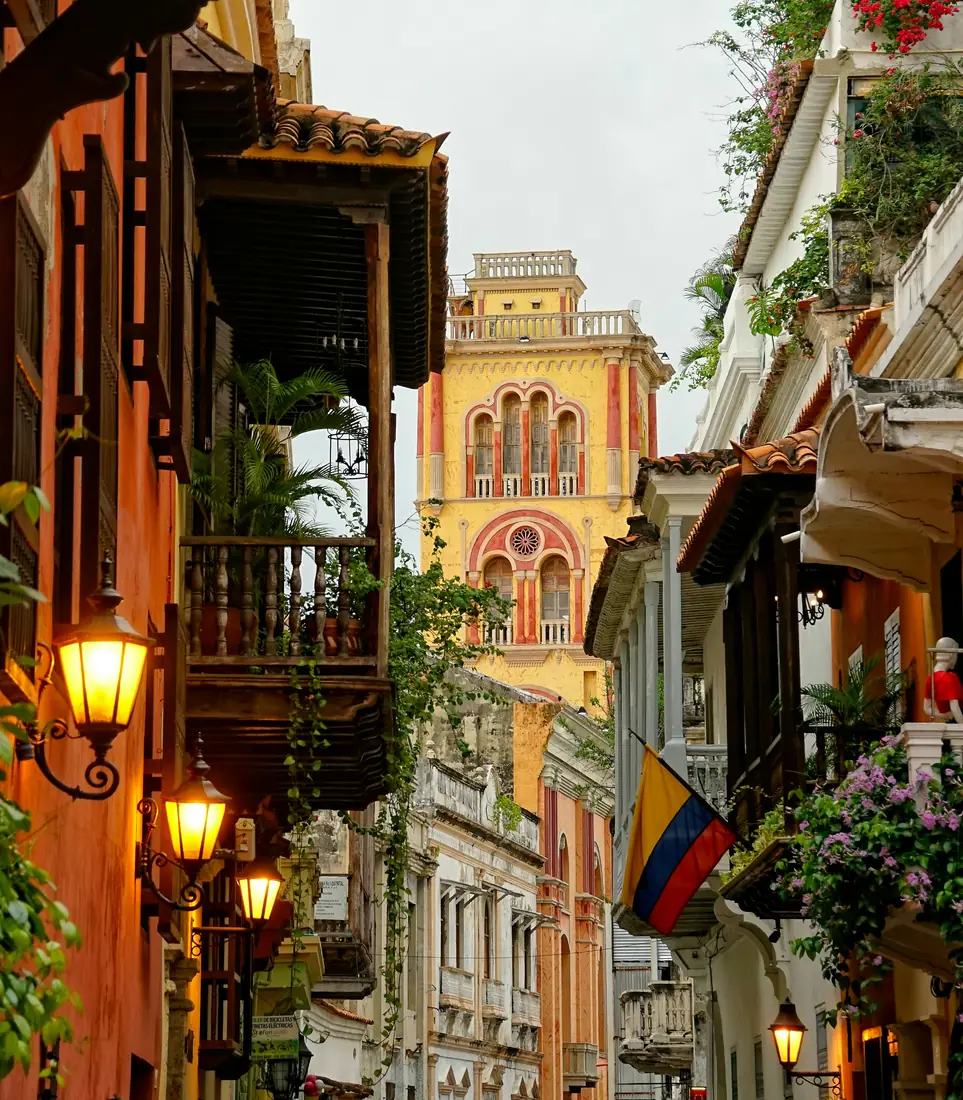
Cartagena's old city is genuinely one of the most beautiful historic centers in the Americas. The city walls (Las Murallas) are intact and walkable, the sunset walk along the top of the walls facing the Caribbean is one of the great urban experiences in South America. Inside: Plaza de Bolívar, the Gold Museum, the Palace of the Inquisition, and street after street of colonial architecture in candy colors. The old city is very walkable and feels safe and active throughout the day.
A Morning by the Cathedral
The best thing I did in Cartagena was simply walk, and the best hour of the trip arrived out of nowhere. One morning I bought a coffee from a street vendor, served in one of the tiny cups the city runs on, along with a cup of freshly cut fruit, and promptly found myself juggling more than two hands can hold.
Luck put me right in front of a barbershop. A few elderly gentlemen pulled up two chairs, one for me and one for my things, and before long they were telling me the story of the Monumento a Juan Pablo II, erected in 1986 in a square near the cathedral to mark the Pope's visit to the city.
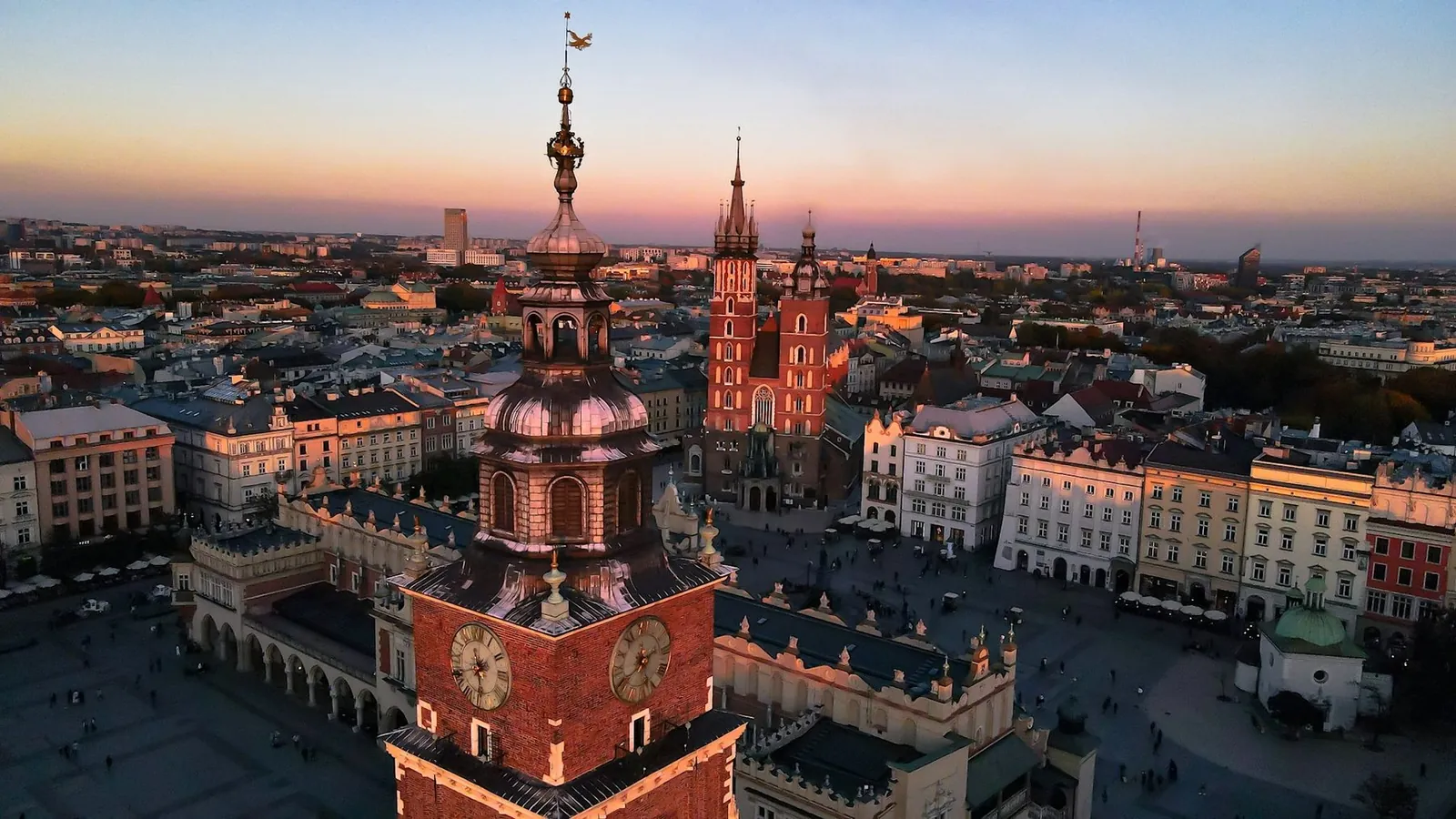
The barber and his friends were a talkative crowd, and the story they wanted me to hear was this: Juan Pablo, John Paul II, Jan Paweł II, had been there, and they had cut his hair. For a Polish woman on a borrowed chair, coffee in one hand and fruit in the other, it was an astonishing thing to hear, and exactly the kind of moment no itinerary can arrange.
Getsemaní: The Creative Neighborhood
Getsemaní sits just outside the city walls and has the best street art in Cartagena, the most interesting independent restaurants, and a growing hostel scene that makes it the social hub for solo travelers. The transformation has been significant. Five years ago this was a neighborhood tourists were warned away from; now it's arguably the most interesting part of the city.
Eating in Cartagena
Getsemaní and the Walled City both have strong restaurant scenes, and reservations matter for the well-known ones. Restaurante Carmen, in a converted colonial house in the Walled City, does upscale Colombian tasting menus and is worth booking ahead rather than walking in. Cristal by La Mona is a more casual seafood spot with a good ceviche list, easy for a solo dinner at the bar.
For part of the trip I followed Anthony Bourdain's trail: a ceviche at the place he visited, and an afternoon in Bazurto Market, the city's working central market and about as far from the polished Walled City as Cartagena gets.
Islas del Rosario Day Trip
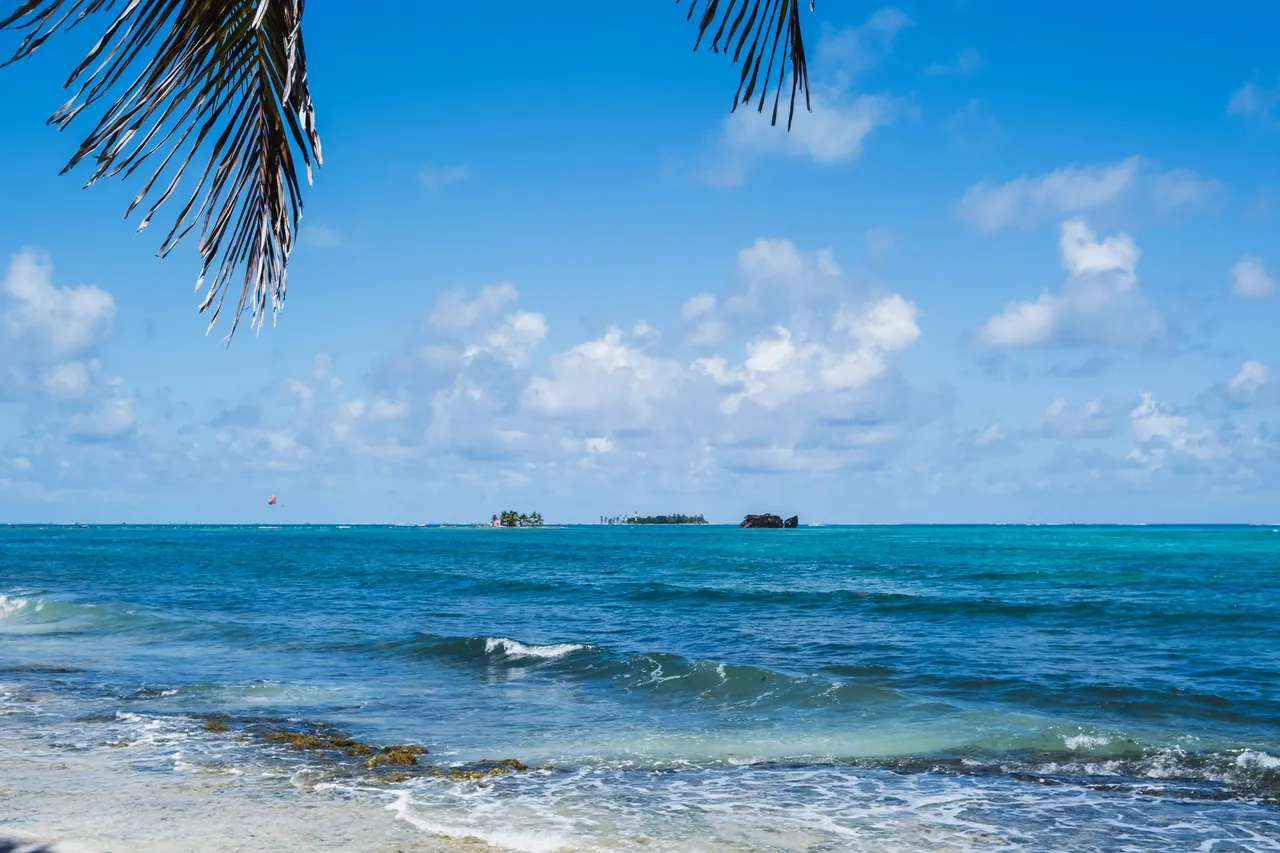
The Rosario Islands are a national park archipelago 45 minutes by boat from Cartagena: mangroves, coral reefs, white sand, turquoise water. Day trips operate daily from the Muelle Turístico dock, and these boat trips are completely manageable solo. You join a group of other tourists for the crossing and the island day. Isla Grande has the clearest water; the Oceanarium (dolphin show) is controversial for animal welfare reasons and easily skipped.
I did a day trip to the islands and, separately, spent a day at one of the island resorts, which I'd recommend if you can manage it. Visitors mostly come and go within a fixed window, roughly 10 to 3. Stay past it and everything changes: on my resort day there were only five of us there, and once the day boats left, the beaches were ours rather than the tour groups'.
August in Cartagena: Rainy Season Realities
August is rainy season: hot (31°C/88°F), humid, with afternoon showers that typically last 1–2 hours. The rain is predictable enough to plan around: mornings are clear, afternoons bring showers, evenings are often clear again. Hotel rates are noticeably lower than peak season and the crowds are thinner. The sea around the Rosario Islands can be rougher than in dry season.
Practical Info for Your Trip
- Best time to visit: December through April (dry season). August for value and thinner crowds.
- Getting there: Rafael Núñez International Airport (CTG) receives direct flights from major Colombian cities and direct international flights from Miami, New York, and Fort Lauderdale.
- Getting around: Uber and InDriver (local equivalent) are safe and cheap. Avoid unmarked taxis.
- Currency: Colombian Peso (COP). USD not widely accepted, exchange at a Bancolombia or licensed exchange office.
- Solo safety rating: Good in tourist areas. One of Colombia's most accessible cities for first-time solo travelers.
Where to go next
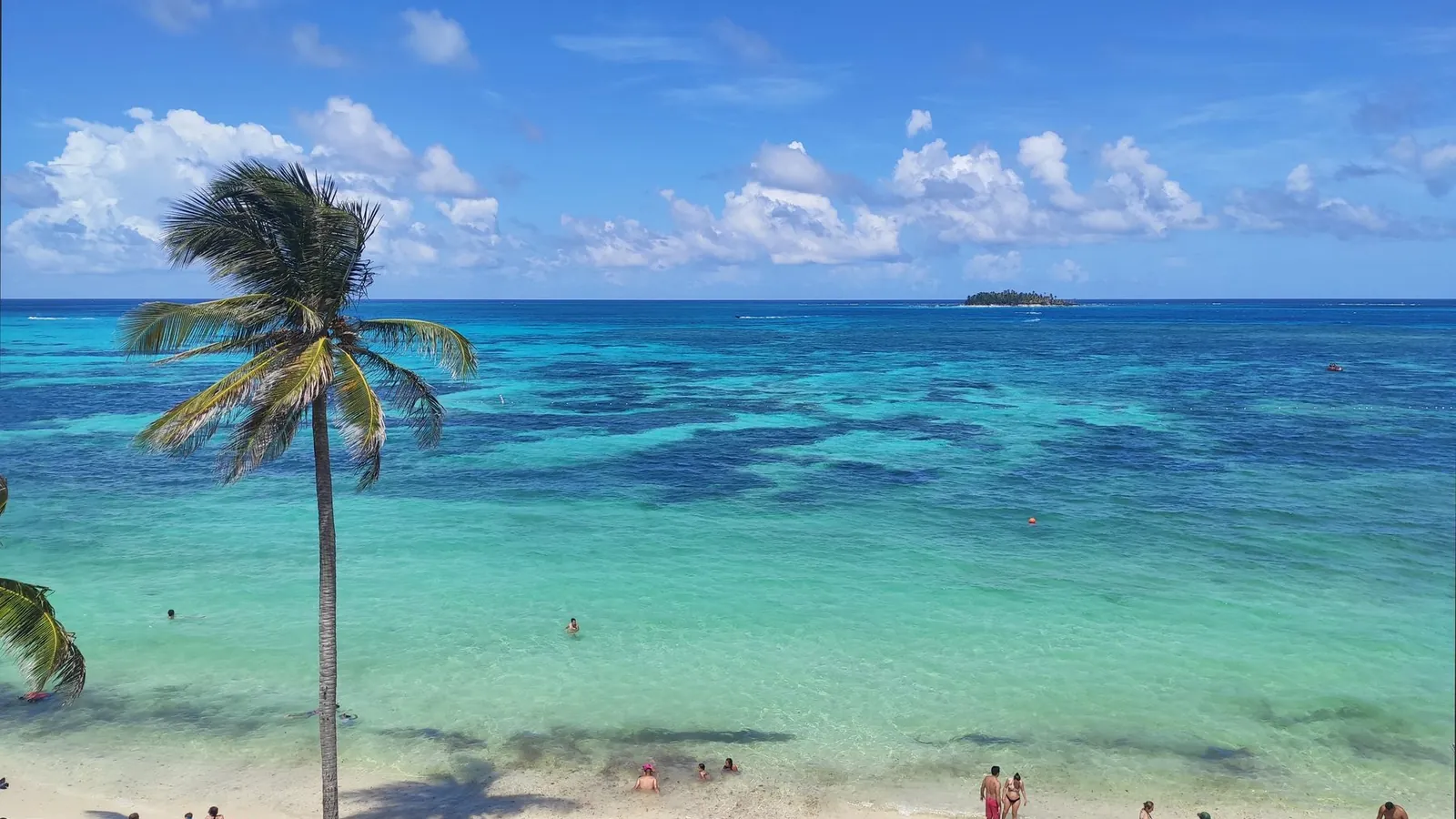
- San Andrés, Colombia’s Caribbean island, and a short flight from here.
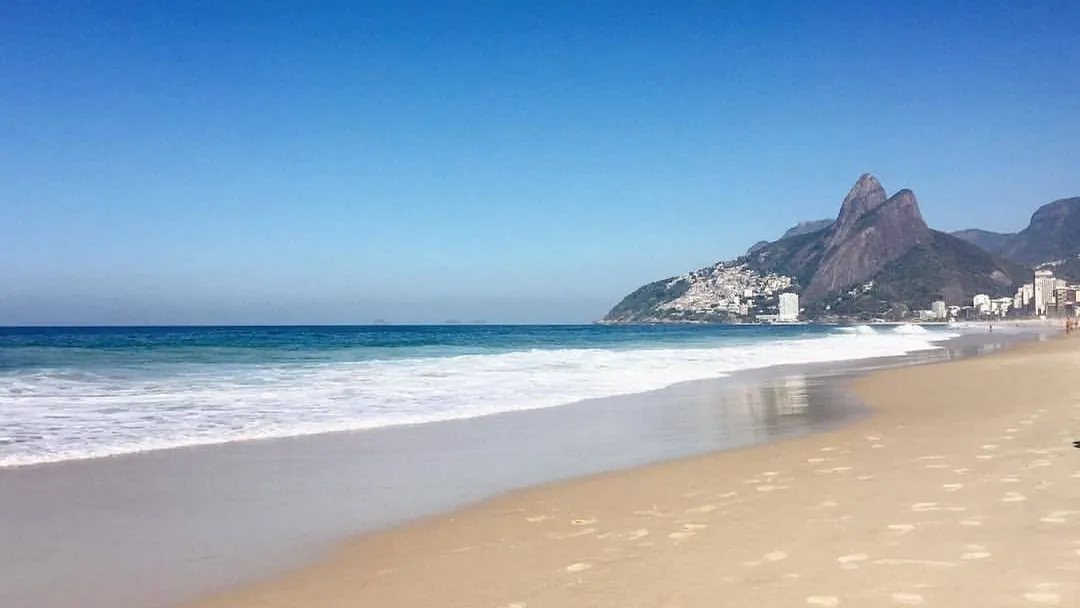
- Rio de Janeiro, the other South American city on this site.
What the official advice says
Colombia, Level 3: Reconsider travel (Unrest, Crime, Kidnapping, Terrorism, Natural disaster)
Level 3 applies country-wide, with individual departments rated higher or lower. Check the advisory for the specific department before travelling.
Source: U.S. Department of State, issued March 2026. Checked 16 August 2026. Advisory levels change, so check the source before you book.
Common questions
Is Cartagena safe for solo travelers, given Colombia's advisory?
Colombia's country-wide rating covers a large country, and the advisory names its Do Not Travel areas specifically, historically regions such as Arauca, Cauca and the Venezuelan border strip. Cartagena has not been among them. Inside the walled city and Bocagrande, the realistic risks are phone theft and pushy vendors rather than anything worse.
Should I use taxis in Cartagena?
Use Uber or InDriver instead. Street taxis are unmetered and overcharging visitors is routine, and the ride-hailing apps give you a fixed price and a record of the trip. This is the most consistent piece of advice locals give.
When is the best time to visit Cartagena?
December to April is dry season and the most reliable weather, at the highest prices. August sits in the rainy season, which usually means short heavy afternoon downpours rather than washed-out days, plus noticeably lower rates and thinner crowds.
Do I need a visa for Cartagena?
Not for stays of 90 days or less under Colombia's general rules. Yellow fever vaccination is required if you are arriving from certain countries, so check the requirement against where you are flying from rather than where you live.