Solo in Bangkok, Days 1–2: JFK to Bangkok with an Unexpected Tokyo Layover
My Southeast Asia trip started with an accidental Tokyo layover, then rolled straight into my first full day finding my feet in Bangkok.
My trip
- Visited
- November 2011
- Length
- Three weeks across Southeast Asia
- Stayed
- Lamphuhouse, Banglamphu
- Got around by
- Airport Rail Link/taxi; BTS/MRT, river boats + taxis
Part of the Southeast Asian Odyssey series · Region: Tokyo (briefly) then Bangkok, Thailand
I left New York for Southeast Asia expecting a long, unremarkable transit. What I got instead was an unplanned day in Tokyo, courtesy of a missed connection, and it turned into one of the more memorable stretches of the whole journey. Here's how Day 1 actually went.
The Accidental Tokyo Layover
I had a connection to Bangkok in Tokyo, and I didn't make it in time. Delta rebooked me and put me up in a hotel near the airport, which left me with most of a day in a city I had never planned to see.
If you've never arrived somewhere this way, it's a peculiar kind of disorientation. Jet lag doesn't only blur where you are; it blurs when you are. My phone wasn't working, the clock on the wall meant nothing to my body, and I spent the evening in the hotel room scrambling for any way to work out what to do with the next 24 hours.
The morning made up for it. Breakfast at the hotel came with miso soup, the first time I had ever started a day that way, and it stayed with me. To this day I sometimes make miso soup at home in the morning, and it still feels like the right way to begin.
After breakfast I took the train into the center of the city. No luggage beyond a day bag, no plan, no real knowledge of Tokyo, just a few hours to make something of it.
A Few Hours in Tokyo: What I Managed to See
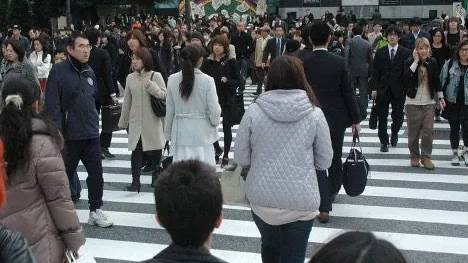
Shibuya Crossing was the first stop, the famous five-way scramble that sends hundreds of pedestrians across in every direction simultaneously. Even in the morning it has an energy that's hard to describe. From there I walked up through Shibuya's shopping streets, which are fascinating even if you're not buying anything.
I made my way to Sensō-ji Temple in Asakusa by mid-morning, before the tour groups arrived. The temple complex is genuinely beautiful: the Kaminarimon Gate, the long approach lined with market stalls, the incense smoke drifting over the main hall. Even on a rushed, unplanned visit it left an impression.
I also walked through the grounds near the Imperial Palace before heading back to the airport: gardens, moats, and a calm that felt completely at odds with the density of the city around it.
Tokyo on a one-day layover isn't Tokyo, but it's enough to know you need to come back properly. I already do.
Arriving in Bangkok: Suvarnabhumi Airport at Night
I landed at Suvarnabhumi Airport around 11:35 PM. Bangkok's main airport is large and modern: clear signage, an efficient immigration process, and a well-organized taxi rank outside arrivals. At that hour the airport is quiet and the city beyond the expressway is a smear of orange light.
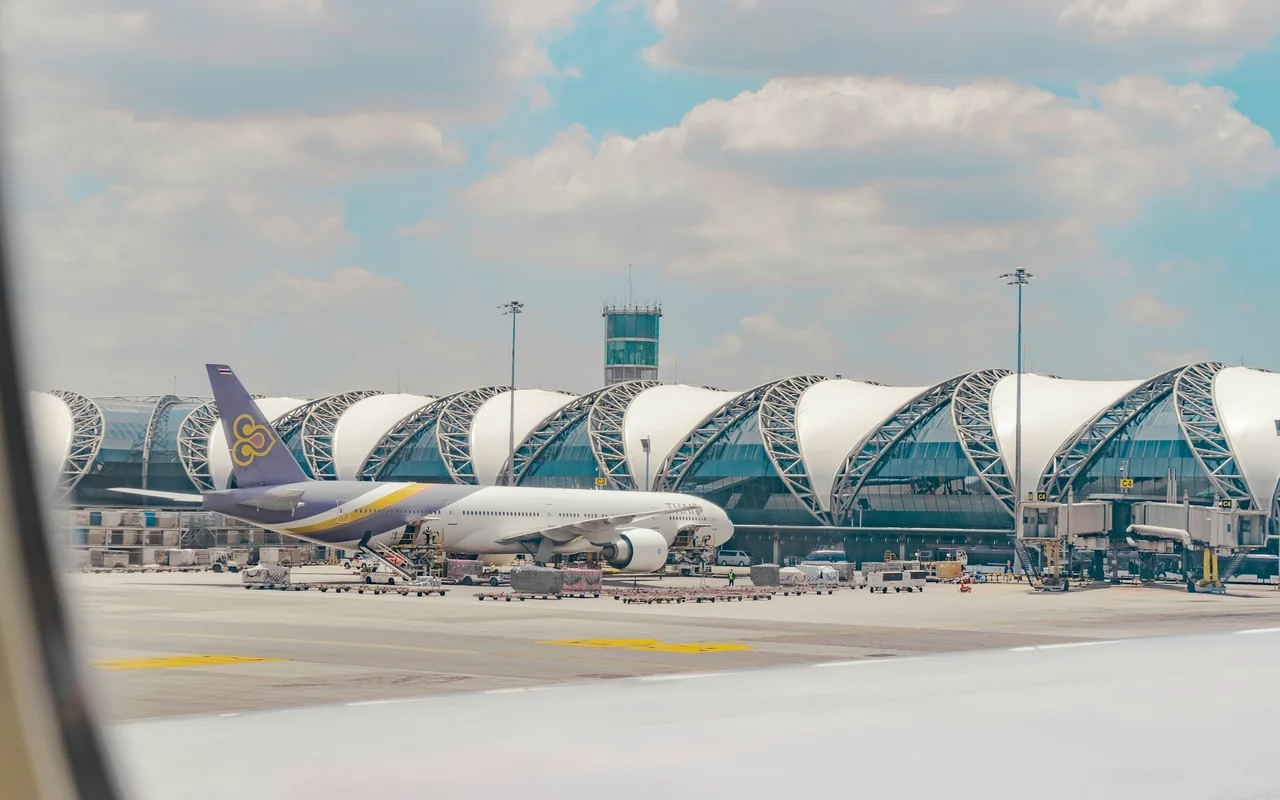
I'd booked Lamphuhouse, a small guesthouse in the Banglamphu/Khao San Road neighborhood: central, affordable, and a classic solo traveler base in Bangkok. Check-in past midnight is fine at most Bangkok guesthouses as long as you communicate in advance. By the time I dropped my bag it was close to 1am. Day 1 was done.
Practical Notes: Flying into Bangkok Solo
- Airport: Suvarnabhumi (BKK) handles most international flights. Don Mueang (DMK) is the budget airline hub, confirm which airport your flight uses.
- Airport to city: Airport Rail Link to Phaya Thai station (45 min, very cheap) then taxi or BTS from there. Metered taxis from the official rank outside arrivals are reliable, avoid touts inside the terminal.
- Neighborhood to stay: Banglamphu (near Khao San Road) is the classic backpacker base: central, walkable to the Grand Palace and riverside, and full of solo travelers. Silom or Sukhumvit are better for quieter, more upscale options.
- Visa: many nationalities including US and most EU get visa-free entry. Check current allowances, which Thailand revises periodically.
The Arrival Card Nobody Warns You About
Thailand replaced the old paper TM6 form with the Thailand Digital Arrival Card (TDAC), and it is mandatory for every foreign national arriving by air, land or sea. There is no card handed out on the plane any more. If you're working from a guide written before this changed, you'll arrive without it.
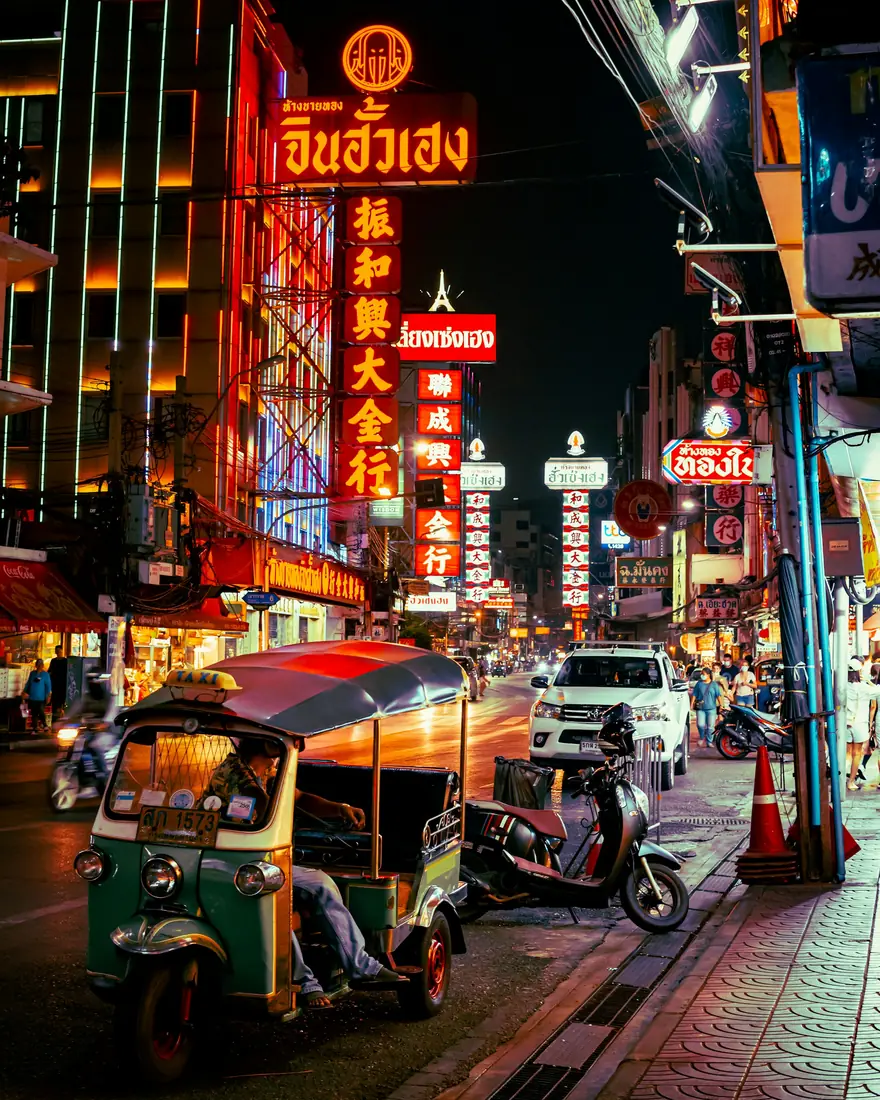
It is free on the official government portal. Thai Immigration has repeatedly warned travellers about lookalike sites that charge for the form and harvest passport data. They buy search ads and rank above the real thing. Check the address bar reads tdac.immigration.go.th before you type anything.
The rules that catch people out:
- The window opens 72 hours before arrival, and not earlier. Submitting too soon simply fails.
- Your name must match your passport exactly: Latin characters, as printed, not the version you'd normally write.
- The date is your landing date in Thailand, not your departure date. On an overnight flight from the US these are different days, which is the single most common error.
- You need your first night's accommodation address. "Bangkok" isn't accepted, so book at least night one before you file.
- It's single-entry. Hop to Cambodia or Laos and you need a new one to come back.
Print it. A screenshot is technically fine, but your phone will be at 4% after a long-haul flight, airport wifi is unreliable, and scanners struggle with screen glare. A sheet of paper inside your passport removes the whole problem. Self-service kiosks exist at Suvarnabhumi and a few other airports as a fallback, with queues to match in high season.
One more thing that's enforced more strictly than it used to be: immigration can ask for proof of funds, around 20,000 THB per person in cash or currency. Card balances and banking apps don't satisfy it. Carry some physical cash through immigration rather than planning to hit the ATM airside.
- Currency: Thai Baht (THB). Airport ATMs are fine but charge fees. Withdraw enough to not have to return repeatedly.
Where to go next
What I took from this day
Day 1 was mostly transit and a bonus city I hadn't planned on. The useful part for anyone doing this route: a delay long enough to miss a connection can turn into a paid layover worth taking, and arriving in Bangkok near midnight is fine as long as your guesthouse knows you're coming.
What the official advice says
Thailand, Level 1: Exercise normal precautions (Unrest)
Level 1 overall. The advisory carries an unrest indicator, and the far-southern provinces bordering Malaysia are rated separately and higher.
Source: U.S. Department of State, issued July 2026. Checked 16 August 2026. Advisory levels change, so check the source before you book.
Common questions
Do I need a Thailand Digital Arrival Card?
Yes. The TDAC is mandatory for every foreign national entering Thailand by air, land or sea, and it replaced the old paper form handed out on planes. It is free on the official government portal, and the submission window opens 72 hours before you arrive.
What is the most common TDAC mistake?
Entering your departure date instead of your landing date in Thailand. On an overnight flight from the US those are different days. The other frequent errors are a name that does not match the passport exactly, and trying to submit more than 72 hours ahead.
Which Bangkok airport will I land at?
Suvarnabhumi (BKK) takes most international flights; Don Mueang (DMK) is the budget airline hub and is a different airport on the other side of the city. Check which one your ticket says before booking a transfer or accommodation.
How do you get from Suvarnabhumi into central Bangkok alone?
The Airport Rail Link to Phaya Thai takes about 45 minutes and costs very little, then BTS or a taxi from there. If you would rather go direct, use the official metered taxi rank outside arrivals rather than anyone approaching you inside the terminal.
How many days do you need in Bangkok?
Three or four covers the historic core, a market day and time to wander without rushing. Two is enough only if you accept you are seeing the temples and nothing else.
Is Bangkok easy to travel alone?
Unusually so. Eating alone is completely normal, street food means you never have to negotiate a table for one, and the backpacker infrastructure around Banglamphu makes meeting people straightforward if you want to.
Where should a solo traveler stay in Bangkok?
Banglamphu near Khao San Road is the classic base: central, walkable to the Grand Palace and the river, and full of other people travelling alone. Silom and Sukhumvit are quieter and better connected by BTS if you would rather not be in the middle of that.