
Solo Female Travel Guide to Curaçao in January
Solo Female Travel Guide to Curaçao in January
Visited: January 2019 · Region: Dutch Caribbean · Best for: Beach lovers, snorkelers, culture seekers
I landed in Willemstad on a warm January afternoon and immediately understood why solo travelers keep coming back to Curaçao. The island sits just outside the hurricane belt, which means January weather is essentially perfect — sunny, breezy, and rarely rained out. If you're a solo female traveler looking for a Caribbean escape that's both safe and genuinely interesting, Curaçao deserves to be at the top of your list.
Is Curaçao Safe for Solo Female Travelers?
Yes — Curaçao is one of the safer Caribbean islands for solo women. The main tourist areas (Willemstad, Jan Thiel, Mambo Beach) are well-patrolled and busy with international visitors. Standard solo travel sense still applies: avoid walking alone at night in unfamiliar neighborhoods, don't leave valuables on the beach, and trust your gut. Locals are warm and helpful, and the island's Dutch influence has shaped a fairly orderly tourism infrastructure.
Where to Spend Your Days: Jan Thiel Beach
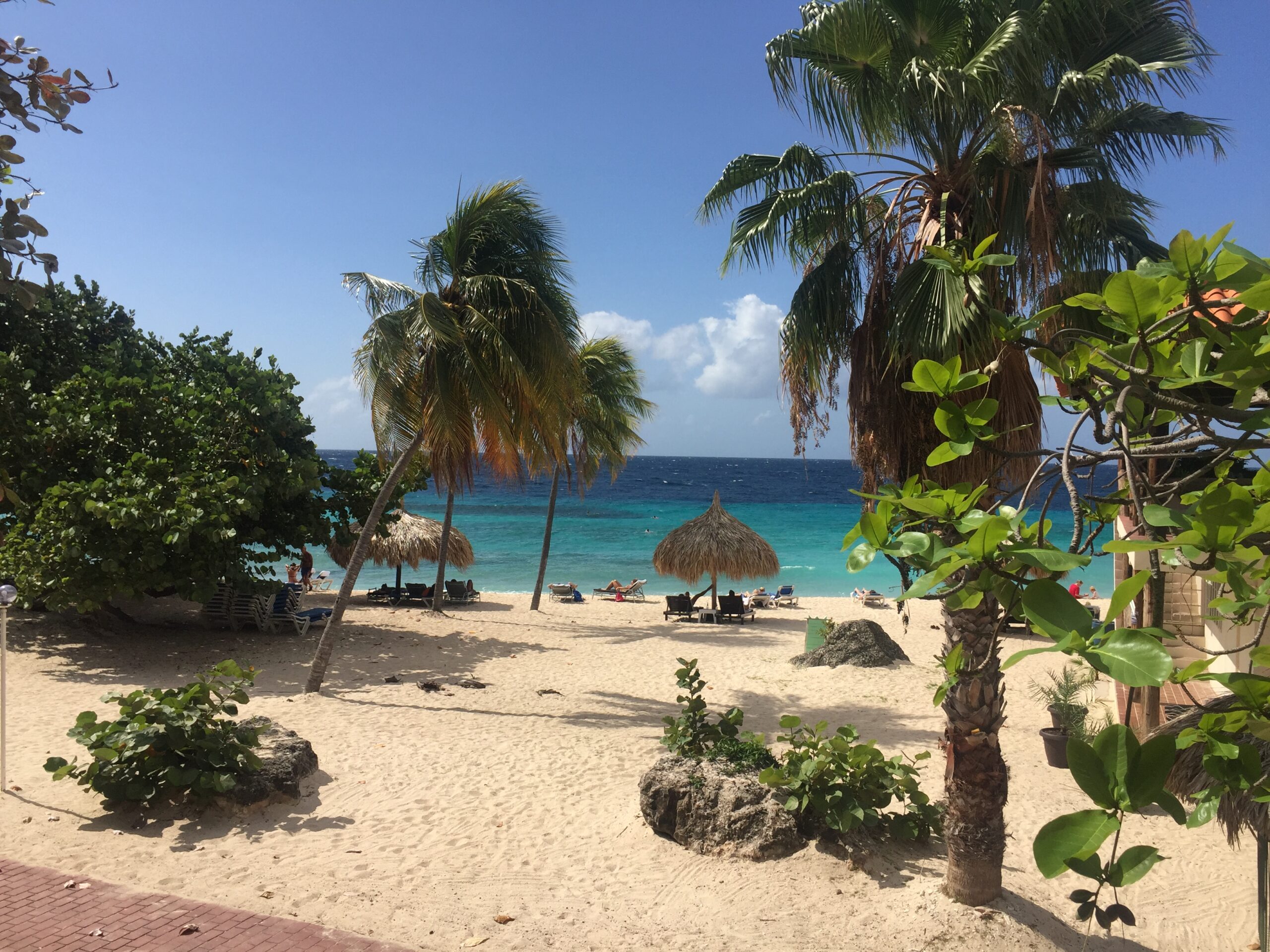
Jan Thiel was my home base for beach days — and it delivered exactly what I needed. The beach clubs here are set up perfectly for solo travelers: rent a lounge chair, order food and drinks to your spot, and be surrounded by other visitors without feeling like a third wheel. The calm, clear water is ideal for paddleboarding and kayaking, both available to rent directly on the beach.
If you want a livelier scene, Mambo Beach Boulevard is a short distance away with a string of restaurants, bars, and a beach club that fills up in the early evenings — a great spot for a solo dinner where you can people-watch without feeling out of place.
Willemstad: The Instagrammable Capital That Actually Has Depth
Most people come to Willemstad for the photos — those famous candy-colored Dutch colonial buildings lining the Punda and Otrobanda waterfronts are genuinely stunning. But there's more here than a backdrop. Spend a half day wandering: through the floating market where Venezuelan vendors sell fresh produce from their boats, across the iconic Queen Emma Pontoon Bridge, and into the back streets where you'll find galleries, local bakeries, and Curaçao liqueur tasting rooms.
As a solo traveler, Willemstad is very walkable. The UNESCO-listed historic district is compact enough to cover comfortably in a few hours on foot.
Day Trip to Klein Curaçao: Worth Every Minute
This was the highlight of my entire trip. Klein Curaçao is a tiny uninhabited island about two hours by boat from the main island — white sand, turquoise water, a rusted lighthouse, and a shipwreck you can snorkel through. It looks like a screensaver and it's completely real.
Several tour operators run full-day trips departing from the marina in Willemstad. The boat fills with a mix of tourists, snorkel gear and lunch are included, and as a solo traveler, this kind of group tour is one of the easiest ways to meet people. I ended up spending the day with a group I'd never have crossed paths with otherwise.
Practical note: Bring reef-safe sunscreen, a hat, and water shoes. The beach is beautiful but there's very little shade, and the coral near the water's edge can be sharp.
Where to Eat: Local Food Worth Seeking Out
Don't leave Curaçao without trying keshi yena — a stuffed cheese dish with Dutch-colonial origins that's become one of the island's signature foods. It sounds strange and tastes deeply savory and satisfying. Kabritu stoba (slow-braised goat stew) shows up on most local menus and is equally worth ordering.
For the most authentic (and affordable) meals, look beyond the main tourist corridors. Small family-run spots and roadside snekis (snack stands) serve better food at a fraction of the resort prices. Kas di Piskado in Punda is a well-known local fish spot — arrive early as they sell out.
Getting Around Curaçao Solo
Public transport is limited, so renting a car is your best option for exploring beyond the tourist hubs. Rates are reasonable, driving is on the right, and the island is small enough to navigate easily. Taxis are available in Willemstad and beach areas but get expensive for longer distances. If you'd rather not drive, several operators run organized day trips covering the main sites.
Practical Info for Your Trip
- Best time to visit: November through May (dry season). January is ideal — low humidity, little rain, around 82°F / 28°C.
- Currency: Netherlands Antillean guilder (ANG), but USD is widely accepted. Bring some local cash for markets and smaller spots.
- Language: Papiamentu locally; Dutch, English, and Spanish all spoken widely. Communication is easy.
- Getting there: Direct flights from New York (JFK), Miami, and Amsterdam to Hato International Airport. About 4.5 hours from NYC.
- Visa: US and EU passport holders don't need a visa for short stays.
- Solo female safety rating: High. Locals are accustomed to independent travelers, and the main beach and tourist areas are active and well-populated during the day.
Final Thoughts
Curaçao in January is one of those trips where the weather cooperates, the island surprises you, and everything feels easier than expected. It's less overrun than some Caribbean destinations, which means you actually get space to breathe. For a solo female traveler who wants a mix of beach days, walkable culture, and real underwater adventure — I'd go back without hesitation.
Planning a solo trip to Curaçao in January? Browse all solo female travel guides by destination, or explore more Caribbean guides for independent women travelers. Every itinerary on this site is based on a real trip I took alone.