
Solo Female Travel Guide to Bonaire: Delfins Beach Resort & Beyond
Solo Female Travel Guide to Bonaire: Delfins Beach Resort & Beyond
Visited: July 2021 · Region: Dutch Caribbean · Best for: Divers, snorkelers, nature lovers
Bonaire doesn't try to be glamorous. It's a flat, wind-scoured island in the southern Caribbean with a fraction of the name recognition of Aruba or Curaçao — and that's exactly why I loved it. I stayed at Delfins Beach Resort on the island's south end, and what I found was one of the best solo travel experiences I've had in the Caribbean: genuinely safe, deeply relaxed, and built around one of the most extraordinary reefs on the planet.
Is Bonaire Safe for Solo Female Travelers?
Yes — Bonaire is consistently among the safest islands in the Caribbean. Crime rates are low, locals are used to independent travelers (especially divers), and the island's small size means nothing stays unfamiliar for long. I never felt unsafe walking around, going to the water alone, or eating out by myself. The Delfins resort in particular is calm and well-run, with a mix of couples, dive groups, and solo guests.
Staying at Delfins Beach Resort
Delfins Beach Resort sits on Bonaire's south coast with direct access to the reef right off the shore. The layout is low-rise and spread out — private enough to decompress, but social enough that solo travelers find natural opportunities to meet people at the pool bar, the dive dock, or the evening restaurant.
The on-site dive shop is a major draw. You can walk off your terrace, grab your gear, and be underwater in minutes. Staff were welcoming to someone diving without a buddy — which, as a solo traveler, matters more than people realize. They'll pair you with a guide or group for deeper dives.
The resort also has a pool, spa, beach bar, and restaurant. For solo travelers the pool area is the social hub — low-pressure, easy to meet people. Evenings watching the sun go down over the water from the open-air restaurant are genuinely lovely.
Diving and Snorkeling: Why Bonaire Is in a Class of Its Own
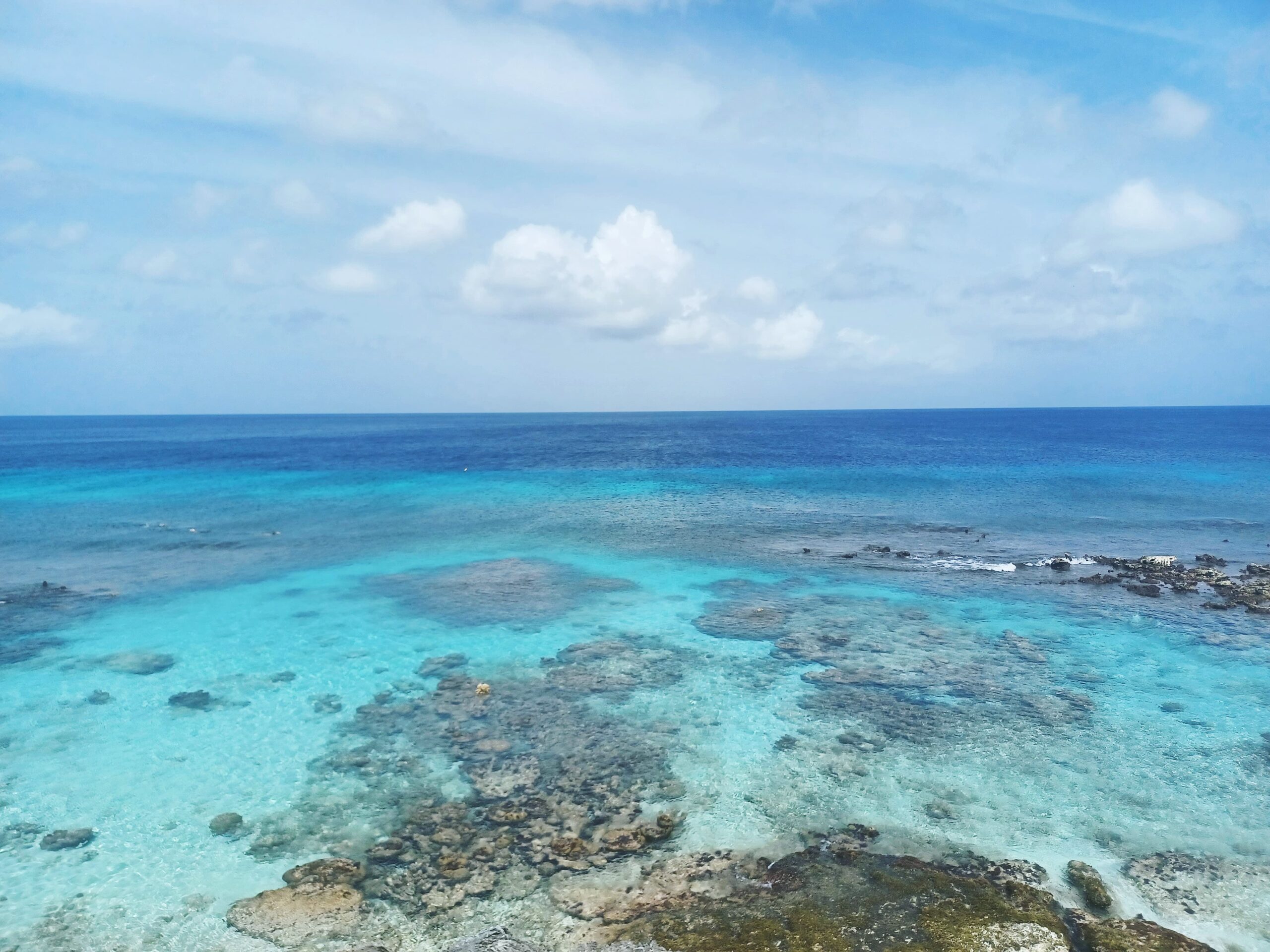
Bonaire has been a protected marine park since 1979, and it shows. The reef is in better shape than almost anywhere else I've dived in the Caribbean — dense coral, extraordinary fish populations, visibility routinely exceeding 30 meters. There are over 80 shore-accessible dive sites. You just drive to a yellow rock marker, gear up on the roadside, and walk in.
For snorkelers, the shallow reef at 1000 Steps and the entry right near the resort are both excellent. You don't need dive certification to see something remarkable — turtles, eagle rays, and parrotfish are regular sightings in waist-deep water.
Important: Bonaire charges a Nature Fee ($45 USD at time of visit) paid at the marine park office. Chemical sunscreens are banned in the marine park — bring reef-safe, mineral-based sunscreen or you'll be turned away at dive shops.
Exploring Bonaire Beyond the Resort
Rent a car or truck for at least one day. Washington Slagbaai National Park in the north covers a third of the island and feels genuinely wild in a way that's rare in the Caribbean. Go early, bring water. The flamingo colony at Gotomeer lake is worth the drive on its own.
The capital Kralendijk is small and walkable — good restaurants, a few dive gear shops, a pleasant waterfront at dusk. For dinner, local spots serving fresh wahoo and lionfish are excellent; Bonairean restaurants often source directly from spearfishers.
Practical Info for Your Trip
- Best time to visit: Year-round — Bonaire sits outside the hurricane belt. July is warm with slightly more wind, ideal for experienced divers.
- Currency: US Dollar (official since 2011). Cards accepted almost everywhere.
- Language: Papiamentu locally; Dutch and English widely spoken.
- Getting there: Direct flights from Miami, New York (JFK), and Amsterdam to Flamingo Airport (BON). About 4 hours from NYC.
- Visa: No visa required for US or EU passport holders for stays under 90 days.
- Getting around: Rent a car or truck — no meaningful public transport.
- Solo female safety rating: Very high. One of the most low-hassle solo travel environments in the Caribbean.
Final Thoughts
Bonaire rewards the traveler who isn't looking for a scene — who'd rather be underwater at 7am than at a beach club at sunset. Delfins is a comfortable base, the diving is world-class, and the pace of the island is what solo travel should feel like: slow, intentional, and entirely yours.
Planning a solo trip to Bonaire in July? Browse all solo female travel guides by destination, or explore more Caribbean guides for independent women travelers. Every itinerary on this site is based on a real trip I took alone.