
Solo Female Travel Guide to the Corn Islands, Nicaragua (January)
Solo Female Travel Guide to the Corn Islands, Nicaragua (January)
Visited: January · Region: Caribbean Coast of Nicaragua · Best for: Off-grid travelers, divers, anyone wanting to disappear
📍 Region
Caribbean Coast, Nicaragua
🗓️ Best Month
Feb–April or Dec–Jan
🌡️ January Temp
~28°C / 82°F
✈️ Getting There
Fly via Managua to Big Corn
💰 Budget
Very budget-friendly
🛡️ Solo Safety
Good on the islands
🤿 Best For
Diving (pristine reefs)
💡 Key Tip
No ATMs on Little Corn — bring cash
🌿 Sargassum Risk
Very low
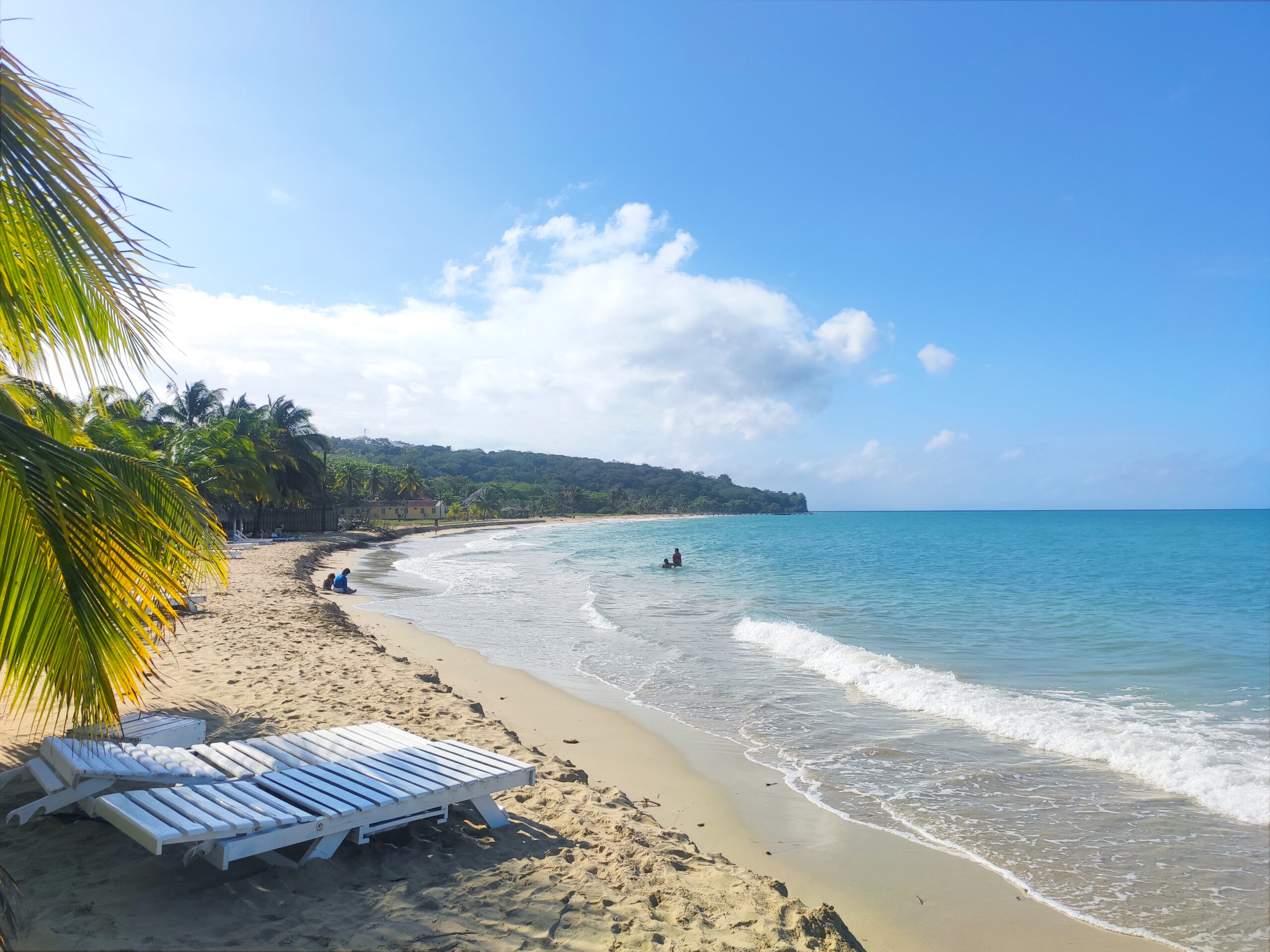
The Corn Islands are not easy to get to. They're off the Caribbean coast of Nicaragua, require either a small plane or a long bus-and-boat combo to reach, and have almost no cell signal on the smaller island. That's exactly the point. When I arrived in January, I found some of the most undeveloped, genuinely peaceful Caribbean beaches I've ever seen — and a solo travel environment that was surprisingly welcoming and safe.
Is Nicaragua Safe for Solo Female Travelers?
Nicaragua's political situation has been complex in recent years, and it's worth reading current travel advisories before you go. The Corn Islands themselves are significantly more relaxed than the mainland — they're remote, tourism-dependent, and have a small-community feel where strangers are noticed and locals are generally protective of visitors. I felt safe throughout my stay, but I'd encourage any traveler to check the latest advisories from their government before booking.
On the islands: don't walk the beaches alone at night, keep valuables secured, and use your standard solo travel judgment. During the day the islands are open, friendly, and easy.
Big Corn vs. Little Corn: Which Island Is Right for You?
Big Corn Island is where you fly in — it has an airstrip, more infrastructure, a few hotels with electricity and WiFi, and a small town with restaurants and shops. It's the more convenient base and better for travelers who want creature comforts alongside the remote feel.
Little Corn Island is reached by a 30-minute panga (small boat) ride from Big Corn — and it's a different world. No roads, no cars, no ATMs. You walk everywhere on sandy paths through the jungle. Electricity runs on generators, which means evenings go quiet around 10pm. The beach on the island's north end is one of the most genuinely beautiful I've seen anywhere. If you can tolerate truly off-grid, Little Corn is worth it. If you need reliable WiFi or air conditioning, stay on Big Corn.
Practical note: The panga crossing can be rough — waves can be significant. Dry bags are essential. The boat runs twice daily; check times locally as they shift with weather.
Diving and Snorkeling
The reef around the Corn Islands is in excellent condition — Caribbean coral, nurse sharks, hawksbill turtles, and strong fish populations. Visibility is typically very good in January. Both islands have dive shops offering PADI courses and guided dives — they're small operations but experienced with solo travelers. Prices are significantly cheaper here than in Belize or the Caymans for equivalent dives.
Even without diving equipment, snorkeling directly off the beaches on Little Corn's north end is excellent — the reef starts in shallow water just a few meters from shore.
Where to Stay on the Corn Islands
Accommodation is simple across both islands — don't expect boutique hotels or reliable air conditioning. On Big Corn, there are a handful of small hotels and guesthouses with private rooms from around $30–60 per night. On Little Corn, accommodation ranges from rustic beachfront cabins to slightly nicer eco-lodges — most run by expats or local families. Casa Iguana is the most well-known option on Little Corn, sitting on the windward side with a stunning view. Book ahead in January — capacity is small.
January on the Corn Islands: What to Expect
January is one of the better months to visit — dry season, warm, and with good diving conditions. The trade winds pick up which keeps temperatures comfortable and the bugs down. It's low season for international tourists (though some Nicaraguan domestic tourism picks up around New Year), which means quieter beaches and lower prices across the board.
Practical Info for Your Trip
- Getting there: Fly Managua (MGA) → Big Corn Island (RNI) on La Costeña airlines (about 1.5 hours). Alternatively: bus from Managua to El Rama (8–10 hours), then boat to Bluefields, then another boat or flight to Big Corn. The bus-boat route is an adventure in itself — not for everyone.
- Currency: Nicaraguan Córdoba (NIO). USD accepted informally on the islands but less reliably than on the mainland. Bring cash — there's one ATM on Big Corn and none on Little Corn.
- Language: Spanish on Big Corn; English Creole is the dominant language on Little Corn among locals.
- What to pack: Cash (enough for your stay), offline maps, a dry bag, insect repellent, reef-safe sunscreen, a headlamp for Little Corn evenings, and anything you definitely need — resupply options are minimal.
- Solo female safety rating: Good on both islands during the day. Apply standard off-grid travel caution at night.
Final Thoughts
The Corn Islands are the kind of destination that divides people — some find the lack of infrastructure frustrating, others find it exactly the point. If you're the kind of solo traveler who wants to genuinely disappear for a week — no Instagram, no agenda, no noise — Little Corn Island delivers something rare. I left sunburned, well-fed, and reluctant to come back to real life. That's the highest recommendation I can give.
🌿 Sargassum at Corn Islands — What to Know
The Corn Islands are in the western Caribbean and generally spared the worst sargassum influxes. January tends to have clean, clear water. Their remote location that makes them special also works in their favor here. Check current beach conditions at howisthesargassum.com — it covers Central American Caribbean conditions if you want to compare nearby destinations.