
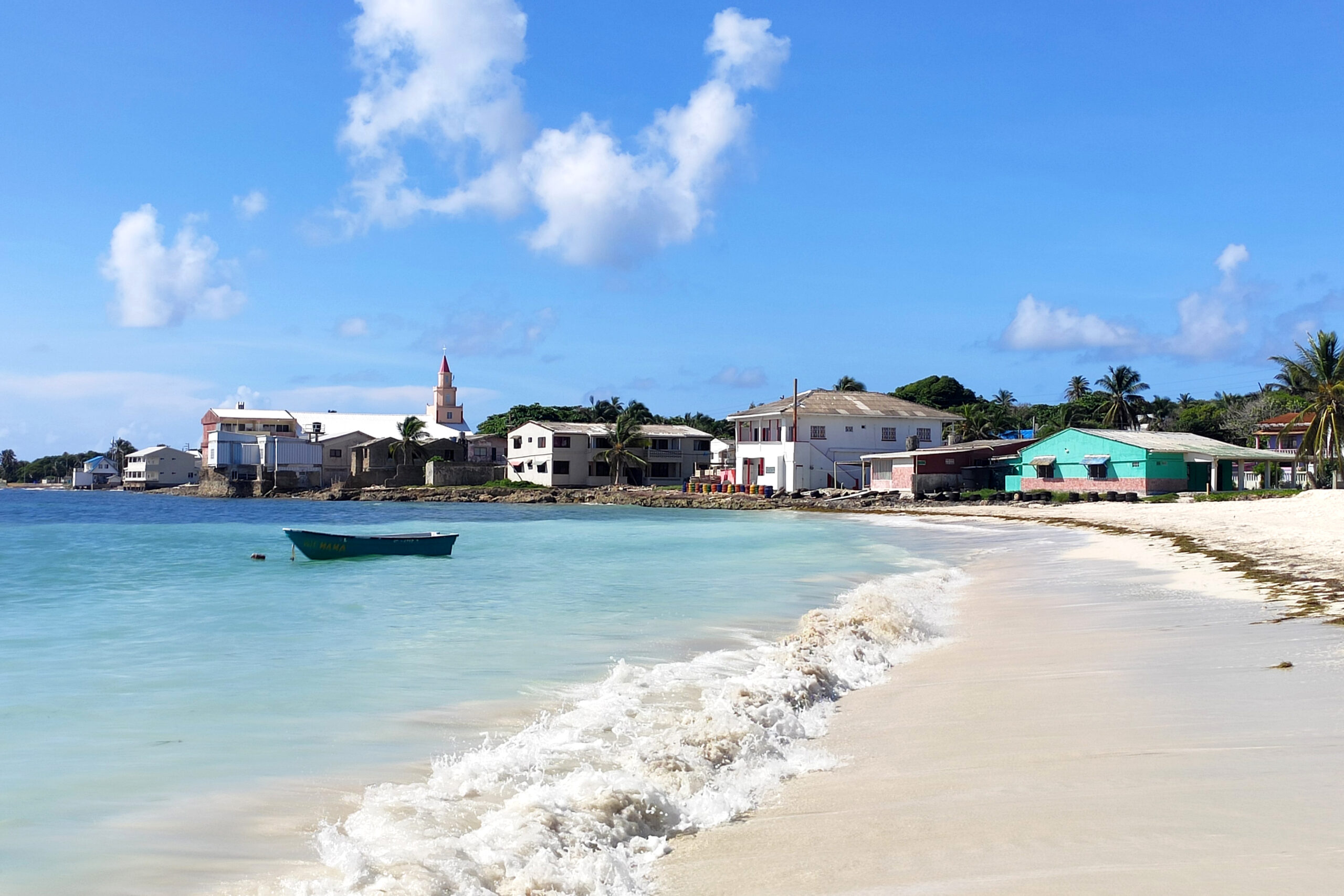
Solo Female Travel Guide to San Andres Island, Colombia (October)
Solo Female Travel Guide to San Andrés Island, Colombia (October)
Visited: October · Region: Colombian Caribbean · Best for: Divers, snorkelers, beach lovers, culture seekers
📍 Region
Colombian Caribbean
🗓️ Best Month
Dec–April
🌡️ October Temp
~29°C / 84°F
✈️ Airport
Gustavo Rojas Pinilla (ADZ)
💰 Budget
Budget-friendly
🛡️ Solo Safety
Good in tourist areas
🌊 Famous For
Seven-color sea
🤿 Best For
Diving & snorkeling
🌿 Sargassum Risk
Low to moderate
San Andrés sits 700 kilometers off the coast of Colombia in the Caribbean Sea, closer to Nicaragua than to Bogotá, and it has a character that reflects that geography. The island is technically Colombian but its culture is rooted in Afro-Caribbean and Raizal heritage — English and Spanish are both spoken, reggae drifts out of restaurants, and the water is that particular shade of blue that makes you stop mid-sentence. I went in October and found a destination that was affordable, genuinely beautiful, and easier to navigate solo than I'd expected.
Is San Andrés Safe for Solo Female Travelers?
San Andrés is generally safe for solo female travelers, especially in the main tourist zones around Spratt Bight beach and the commercial center. The island sees a lot of Colombian domestic tourism which keeps it lively and populated. Apply standard solo travel awareness: don't walk alone in poorly lit areas at night, keep bags secure, and trust your instincts. I had no issues and found locals to be friendly and helpful throughout.
The Beaches: Where to Go and Why It Matters
San Andrés is famous for its “seven-color sea” — a phenomenon where the water shifts through multiple shades of blue and green depending on depth and light. It's real, and it's stunning.
Spratt Bight (Playa Norte) is the main beach on the island's eastern side — calm, beautiful, with amenities like beach chairs, water sport rentals, and restaurants within walking distance. Good for a relaxed day. Rocky Cay is a small island connected by a sandbar at low tide with calmer water and fewer crowds. San Luis Beach on the eastern coast is longer, quieter, and more local in feel — ideal if you want to escape the tourist strip.
Diving and Snorkeling: La Piscinita and Beyond
The diving around San Andrés is excellent — clear water, healthy reef systems, and a range of sites accessible for all levels. La Piscinita (also called Natural Aquarium) is the most popular snorkeling spot: a protected natural pool teeming with colorful reef fish, accessible directly from shore. It's perfect for non-divers.
For divers, the wall dives off the island's western side offer dramatic drop-offs with good visibility. Several dive shops on the island offer equipment rental and guided dives — they're accustomed to solo travelers and will pair you with a guide or group as needed. El Hoyo Soplador on the south end of the island is a natural geyser-like formation where water blows up through a hole in the coral — worth seeing even if you don't dive.
Day Trip to Johnny Cay: Don't Skip It
Johnny Cay is a tiny island about 1.5 kilometers off San Andrés' north coast, reachable by a short boat ride from the main pier. It's small enough to walk around in 20 minutes, but the beach is stunning and the snorkeling around the cay is some of the best accessible water around the island. Go in the morning before the day-tripper boats arrive. Bring your own snorkel gear if you have it — rental quality varies.
Food: What to Eat on San Andrés
The local cuisine reflects the island's Raizal heritage — heavy on seafood, coconut, and slow-cooked flavor. Rondon is the dish to seek out: a rich, slow-cooked stew made with fish, conch, pork, yuca, plantain, and coconut milk. It's only made on certain days and at certain restaurants — ask your accommodation where to find it. Fresh whole grilled fish with patacones (fried plantain) is available at most beachside spots and is consistently good.
For the best prices and most authentic food, walk a few blocks back from the beach. The tourist-facing restaurants on Spratt Bight charge significantly more for the same quality.
Practical Info for Your Trip
- Best time to visit: December through April (dry season). October is late in the shoulder season — some rain but manageable, fewer tourists, better prices.
- Currency: Colombian Peso (COP). USD and cards accepted in tourist areas, but bring some cash for smaller spots and taxis.
- Language: Spanish officially, but English is widely spoken — the island has a strong English-speaking Raizal community.
- Getting there: Domestic flights from Bogotá, Medellín, or Cartagena (about 1.5–2 hours). No direct international flights — connect through mainland Colombia.
- Entry requirement: Colombian entry tax (tourist card) required — bought at the airport on arrival.
- Getting around: Golf carts and mototaxis are the main local transport. Renting a golf cart for a day to explore the island perimeter is fun and very doable solo.
- Solo female safety rating: Good. Busier and more heavily touristed than Bonaire or the Corn Islands — which actually makes it easier to move around independently.
Final Thoughts
San Andrés is an underrated destination in the English-language travel world — it's huge with Colombian domestic tourists but less known internationally, which keeps it from being overrun. The water is legitimately some of the most beautiful in the Caribbean, the food is excellent, and the island has a real cultural identity beyond beach tourism. For a solo female traveler looking for a Caribbean island with some substance — this one delivers.
🌿 Sargassum at San Andrés — What to Know
San Andrés is in the western Caribbean — generally less affected by the main Atlantic sargassum belt than eastern Caribbean destinations. October can see some accumulation on windward beaches. Check current beach conditions at howisthesargassum.com — it tracks the Colombian Caribbean including San Andrés conditions.